Stepping into the world of induction cooking can feel like discovering a hidden superpower in your kitchen. Unlike traditional gas or electric stoves, induction technology uses electromagnetic fields to heat your cookware directly, offering lightning-fast boil times, precise temperature control, and a cooler, safer cooking environment. For beginners, this means fewer burnt meals, easier cleanup, and the confidence to tackle recipes that once seemed intimidating. As we look toward 2026, induction cooktops have become more intuitive and affordable than ever, making this the perfect time to upgrade your culinary setup.
But with so many options flooding the market, how do you choose the right model without getting overwhelmed by technical jargon and flashy features? The key is understanding what actually matters for your cooking style, kitchen space, and budget. This comprehensive guide cuts through the noise to arm you with essential knowledge about induction technology, must-have features, and common pitfalls to avoid. Whether you’re a college student in a tiny apartment or a new homeowner planning a full kitchen renovation, we’ll walk you through everything you need to make a smart, confident decision.
Top 10 Induction Cooktops for Beginners
Detailed Product Reviews
1. Duxtop 1800W Portable Induction Cooktop Countertop Burner, Gold 8100MC/BT-180G3

1. Duxtop 1800W Portable Induction Cooktop Countertop Burner, Gold 8100MC/BT-180G3
Overview:
The Duxtop 8100MC is an entry-level portable induction cooktop delivering 1800W of power through a user-friendly digital interface. This compact burner offers 10 power levels (200-1800W) and 10 temperature settings ranging from 140°F to 460°F, complemented by a 170-minute countdown timer. Designed for standard 120V outlets, its lightweight construction makes it ideal for small kitchens, dorm rooms, or supplemental cooking space.
What Makes It Stand Out:
This model prioritizes simplicity and safety above all else. The auto-pan detection system automatically shuts off after 60 seconds without compatible cookware, while the diagnostic error message and voltage warning systems protect both user and unit. The 7-blade cooling fan extends product lifespan by efficiently dissipating heat.
Value for Money:
Positioned as a budget-friendly option, this Duxtop offers exceptional value for occasional cooks or induction newcomers. While lacking advanced features of premium models, it provides reliable core performance at a fraction of the cost, making it perfect for those testing induction cooking without significant investment.
Strengths and Weaknesses:
Strengths include straightforward digital controls, excellent safety features, easy-clean glass surface, and portability. The compact design stores easily. Weaknesses are limited granularity with only 10 power/temperature settings, a relatively short 170-minute timer, and basic LED display versus LCD touchscreens. The shorter timer may restrict slow-cooking applications.
Bottom Line:
An excellent choice for budget-conscious buyers seeking a reliable, safe induction burner for occasional use. It delivers solid performance without unnecessary complexity, making it ideal for beginners or as a secondary cooking surface.
2. Duxtop Portable Induction Cooktop Burner, Induction Hot Plate with LCD Sensor Touch 1800 Watts, Silver 9600LS/BT-200DZ

2. Duxtop Portable Induction Cooktop Burner, Induction Hot Plate with LCD Sensor Touch 1800 Watts, Silver 9600LS/BT-200DZ
Overview:
The Duxtop 9600LS represents a significant upgrade from entry-level models, featuring an LCD sensor touch panel and expanded programming options. This 1800W induction burner offers 20 power levels (100-1800W) and 20 temperature settings from 100°F to 460°F, providing precise control for diverse cooking techniques. The unit operates on standard 120V outlets and includes advanced features like child safety lock and extended timer functionality.
What Makes It Stand Out:
The digital LCD sensor touch panel delivers modern, intuitive operation with specialized one-touch buttons for fast boiling and keep-warm functions. The keep-warm feature maintains 140°F for 1-30 minutes, while the timer extends up to 10 hours—far exceeding most competitors. Child safety lock prevents accidental setting changes.
Value for Money:
This mid-range model justifies its higher price through superior control granularity and convenience features. The 20 distinct settings versus the standard 10 on budget models enable precise temperature management, reducing cooking errors and improving results for serious home chefs.
Strengths and Weaknesses:
Strengths include exceptional control precision, extended 10-hour timer, child safety lock, fast-boil shortcut, and sleek touch interface. The 83% energy efficiency rating ensures cost-effective operation. Weaknesses include potential high-pitched noise from certain cookware (common to all induction) and a learning curve for touch controls. The higher price may deter casual users.
Bottom Line:
Perfect for dedicated home cooks seeking precision and convenience. The expanded settings and advanced features make this a versatile primary or secondary cooking surface that balances performance with user-friendly operation.
3. ChangBERT Induction Cooktop, Commercial Grade Portable Cooker, Large 8” Heating Coil, Premium Stainless Steel Countertop Burner with NSF Certified, 10 Hours Timer Powerful 1800W Professional Hot Plate

3. ChangBERT Induction Cooktop, Commercial Grade Portable Cooker, Large 8” Heating Coil, Premium Stainless Steel Countertop Burner with NSF Certified, 10 Hours Timer Powerful 1800W Professional Hot Plate
Overview:
The ChangBERT commercial-grade induction cooktop bridges professional kitchen performance with portable convenience. This NSF-certified unit features a large 8-inch heating coil, 9 power levels (200-1800W), and 18 temperature settings (120-460°F) with 20°F increments. Built for continuous operation, it includes a 10-hour timer and premium stainless steel construction designed to withstand demanding environments.
What Makes It Stand Out:
Engineered for commercial durability, this cooktop passes UL Standard 197 and NSF certification requirements, including a 1.5 ft-lbs drop test. The continuous-duty circuitry maintains stable high-power output during extended use, while the expanded magnetic coil design ensures even heat distribution across larger cookware bases.
Value for Money:
While priced higher than consumer models, this unit offers genuine commercial-grade components and certification. For serious home chefs, caterers, or small restaurant owners, the robust construction and reliable performance justify the investment, potentially outlasting multiple consumer units.
Strengths and Weaknesses:
Strengths include NSF/ETL commercial certification, durable stainless steel housing, large 8-inch coil for even heating, continuous-duty operation, and tactile button controls that work with wet hands or gloves. Weaknesses include heavier weight reducing portability, higher price point, and fewer power levels (9) than some consumer models despite commercial focus.
Bottom Line:
An outstanding choice for professionals or ambitious home cooks needing commercial durability. The certification and build quality make it ideal for catering, food trucks, or kitchens requiring continuous, reliable induction cooking.
4. Nuwave Gold Precision Induction Cooktop, Portable, Powerful with Large 8” Heating Coil,100°F to 575°F, 3 Wattage Settings, 12” Heat-Resistant Cooking Surface

4. Nuwave Gold Precision Induction Cooktop, Portable, Powerful with Large 8” Heating Coil,100°F to 575°F, 3 Wattage Settings, 12” Heat-Resistant Cooking Surface
Overview:
The Nuwave Gold Precision Induction Cooktop distinguishes itself with an exceptional temperature range and on-the-fly adjustability. This portable unit offers 51 pre-programmed temperatures from 100°F to 575°F—significantly wider than competitors—and 3 wattage settings for versatile power management. The large 8-inch heating coil and 12-inch heat-resistant ceramic glass surface accommodate substantial cookware.
What Makes It Stand Out:
Unmatched temperature flexibility allows precise adjustments during cooking without restarting the process. The shatter-proof ceramic glass surface undergoes rigorous testing for thermal shock resistance, surpassing standard induction cooktops. This model excels at delicate tasks like melting chocolate or preparing Hollandaise sauce at stable low temperatures.
Value for Money:
The premium price reflects unique capabilities: 575°F maximum temperature enables high-heat searing impossible for most portable induction units, while the 85-90% energy efficiency exceeds typical 83% ratings. For cooks needing extreme temperature range and precision, this specialized performance justifies the cost.
Strengths and Weaknesses:
Strengths include industry-leading temperature range, on-the-fly adjustment capability, shatter-proof glass, high energy efficiency, and excellent low-temperature control. Weaknesses include premium pricing, potentially excessive features for casual users, and the need for induction-compatible cookware with precise magnetic properties to utilize full range.
Bottom Line:
Ideal for culinary enthusiasts who demand ultimate temperature control and versatility. The exceptional range and adjustability make it perfect for both high-heat searing and delicate sauce work, justifying its premium status.
5. ChangBERT Induction Cooktop NSF Certified Professional Chef Edition Stove, 1800W Commericial Induction Burner with Schott Glass, Large Heating Coil Electric Hot Plate for Restaurant Hotel Food Station

5. ChangBERT Induction Cooktop NSF Certified Professional Chef Edition Stove, 1800W Commericial Induction Burner with Schott Glass, Large Heating Coil Electric Hot Plate for Restaurant Hotel Food Station
Overview:
The ChangBERT Professional Chef Edition elevates commercial induction cooking with premium German SCHOTT CERAN glass and enhanced power management. This NSF-certified 1800W burner features 9 power levels and 18 temperature settings (120-460°F), continuous-duty circuitry, and an expanded heating coil. The upgraded 14AWG, 5-foot power cord and polished stainless steel housing suit both front-of-house and back-of-house applications.
What Makes It Stand Out:
The sealed SCHOTT CERAN glass surface provides superior shatter-proof, scratch-resistant, and heat-resistant properties compared to standard glass. Dual IGBT power control reduces heat buildup and noise during extended operation. The unit meets UL Commercial Standard 197 and NSF requirements for food safety, sanitation, and durability.
Value for Money:
This premium commercial unit commands a higher price but delivers authentic professional-grade materials and engineering. The SCHOTT glass alone offers exceptional longevity, while the continuous-duty design ensures reliable performance in high-volume settings, making it cost-effective for commercial applications.
Strengths and Weaknesses:
Strengths include genuine commercial certification, premium SCHOTT CERAN glass, continuous-duty operation, extended power cord, stable high-power output, and stylish yet durable stainless steel construction. Weaknesses include premium pricing, limited power level granularity (9 levels), and weight that reduces portability compared to consumer models.
Bottom Line:
The ultimate choice for professional chefs and commercial operators requiring certified durability and premium materials. The SCHOTT glass and continuous-duty performance make it a worthwhile investment for demanding environments where reliability is non-negotiable.
6. INDUCTION COOKING MADE EASY: Pots That Work, Power Levels, and Weeknight Recipes for Fast, Precise, Energy-Smart Meals

6. INDUCTION COOKING MADE EASY: Pots That Work, Power Levels, and Weeknight Recipes for Fast, Precise, Energy-Smart Meals
Overview:
This isn’t a cooktop but a comprehensive guidebook demystifying induction cooking for home chefs. The title promises practical advice on compatible cookware, power level understanding, and quick weeknight recipes designed for induction’s speed and precision. It positions itself as an educational resource for those transitioning to or optimizing their induction cooking experience.
What Makes It Stand Out:
Unlike general cookbooks, this focuses specifically on induction’s unique characteristics—magnetic field heating, instant power adjustments, and energy efficiency. The emphasis on “pots that work” addresses a common pain point, while power level explanations help users translate traditional gas/electric concepts. The weeknight recipe collection targets busy families wanting to leverage induction’s 50% faster cooking times.
Value for Money:
As a specialized guide, its value depends on your expertise level. For induction newcomers, it likely justifies its $15-25 price point by preventing costly cookware mistakes and reducing trial-and-error. Compared to free online resources, it offers curated, appliance-specific knowledge that saves time and frustration, though experienced cooks may find the information redundant.
Strengths and Weaknesses:
Pros include targeted induction-specific content, practical cookware guidance, and time-saving recipes. Cons are lack of visual demonstrations (presumably), potential for outdated information as technology evolves, and that it’s not a physical appliance. The absence of interactive features limits learning.
Bottom Line:
Ideal for first-time induction users seeking a structured learning path. If you’re comfortable researching online and experimenting, you can skip it. But for a quick-start guide that builds confidence, it’s a worthwhile investment.
7. Empava Portable Induction Hot Plate Cooktop, Single 1 Burner Countertop Cooker, 3 Preset Modes, Shatter-proof Flat Glass Top, 110~120 Volt Plug in Electric Stove for Kitchen, Outdoor Camping, RV

7. Empava Portable Induction Hot Plate Cooktop, Single 1 Burner Countertop Cooker, 3 Preset Modes, Shatter-proof Flat Glass Top, 110~120 Volt Plug in Electric Stove for Kitchen, Outdoor Camping, RV
Overview:
The Empava Portable Induction Cooktop delivers single-burner convenience with a focus on safety and simplicity. Operating at standard 110-120V, it offers 18 temperature levels from 120°F to 460°F in 20°F increments, plus three specialized presets for melting, warming, and simmering. Its compact footprint and shatter-proof ceramic glass make it suitable for kitchens, dorm rooms, RVs, and camping.
What Makes It Stand Out:
Safety features dominate its design philosophy. The auto-shutoff function activates after timed cooking ends, while the safety lock prevents activation without proper cookware. The absence of open flames or hot coils significantly reduces burn risks, making it family-friendly. The three dedicated presets eliminate guesswork for delicate tasks.
Value for Money:
Positioned in the $60-80 range, it offers solid value for secondary cooking needs. While its 20°F increments lack the precision of premium models, it’s comparable to other entry-level induction units. For occasional use or small-space living, it outperforms hot plates and provides genuine induction benefits without a major investment.
Strengths and Weaknesses:
Pros include excellent safety mechanisms, lightweight portability, specialized presets, and reliable shatter-proof surface. Cons are limited temperature range compared to competitors, coarser 20°F adjustments restricting precision, and likely lower wattage affecting boil times. The single burner limits multitasking.
Bottom Line:
A reliable, safety-first choice for dorm dwellers, RV enthusiasts, or as a supplemental burner. It won’t replace your main cooktop but excels at targeted tasks. If precision and power are priorities, consider upgrading to the Nuwave Flex.
8. Nuwave Flex Precision Induction Cooktop, 10.25” Shatter-Proof Ceramic Glass, 6.5” Heating Coil, 45 Temps from 100°F to 500°F, 3 Wattage Settings 600, 900 & 1300 Watts, Black

8. Nuwave Flex Precision Induction Cooktop, 10.25” Shatter-Proof Ceramic Glass, 6.5” Heating Coil, 45 Temps from 100°F to 500°F, 3 Wattage Settings 600, 900 & 1300 Watts, Black
Overview:
The Nuwave Flex Precision Induction Cooktop elevates home cooking with 45 temperature settings ranging from 100°F to 500°F in precise 10°F increments. Its three wattage settings (600W, 900W, 1300W) adapt to various power sources and cooking needs. The 6.5-inch heating coil and 10.25-inch shatter-proof ceramic glass surface accommodate most cookware while maintaining a compact profile.
What Makes It Stand Out:
Unmatched on-the-fly adjustment capability lets you modify temperature or cooking time without restarting—a game-changer for delicate recipes. The slim design with patented insulation technology positions coils closer to cookware than competitors, ensuring faster, more even heating without hot spots. Six preset temperatures provide instant access to common settings.
Value for Money:
At $80-100, it bridges the gap between basic and premium models. The wattage flexibility prevents circuit overloads in older homes or RVs, while 10°F precision rivals units costing twice as much. Compared to the Empava, you’re paying 30% more for significantly enhanced control and build quality.
Strengths and Weaknesses:
Pros include exceptional temperature precision, wattage versatility, immediate response adjustments, and superior heating efficiency. The shatter-proof glass adds durability. Cons are the 6.5-inch coil limiting very large pans, single burner constraint, and 1300W max power lagging behind some competitors.
Bottom Line:
An excellent choice for serious home cooks wanting professional-level temperature control without commercial pricing. The Flex balances precision, safety, and versatility, making it ideal for everyday cooking, small kitchens, or as a high-performance portable solution.
9. Nuwave Flex Precision Induction Cooktop, 10.25” Shatter-Proof Ceramic Glass, 6.5” Heating Coil, 45 Temps from 100°F to 500°F, 3 Wattage Settings 600, 900 & 1300 Watts, Black (Renewed)

9. Nuwave Flex Precision Induction Cooktop, 10.25” Shatter-Proof Ceramic Glass, 6.5” Heating Coil, 45 Temps from 100°F to 500°F, 3 Wattage Settings 600, 900 & 1300 Watts, Black (Renewed)
Overview:
This renewed Nuwave Flex Precision Induction Cooktop offers identical specifications to the new model: 45 temperatures from 100°F to 500°F in 10°F increments, three wattage settings (600W/900W/1300W), and a 10.25-inch shatter-proof ceramic glass surface. NuWave’s refurbishment process uses genuine parts and rigorous inspection to ensure like-new functionality.
What Makes It Stand Out:
You get premium features—on-the-fly adjustments, precise 10°F increments, and wattage flexibility—at a reduced price point. The manufacturer refurbishment includes quality assurance testing that third-party sellers can’t match. This provides budget-conscious buyers access to professional-grade temperature control without gambling on used equipment condition.
Value for Money:
Typically 20-30% cheaper than new, the renewed Flex represents exceptional value. The savings justify the “not brand new” status, especially since NuWave backs it with inspection certification. Compared to new entry-level models at similar prices, you gain superior precision and features. The main risk is potentially shorter lifespan and limited warranty coverage.
Strengths and Weaknesses:
Pros include significant cost savings, identical performance to new models, manufacturer quality control, and access to premium features. Cons are cosmetic imperfections possible, reduced or limited warranty terms, and psychological discomfort with refurbished electronics. Availability fluctuates.
Bottom Line:
A smart buy for value seekers who prioritize function over form. If the warranty terms are acceptable and you verify return policies, this renewed unit delivers Nuwave’s excellent precision cooking at a compelling discount. For peace of mind, the new model remains worth the premium.
10. Nuwave Pro Chef Induction Cooktop, NSF-Certified, Commercial-Grade, Portable, Powerful 1800W, Large 8” Heating Coil, 94 Temp Settings 100°F - 575°F in 5°F, Shatter-Proof Ceramic Glass Surface
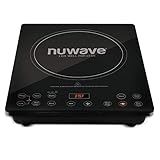
10. Nuwave Pro Chef Induction Cooktop, NSF-Certified, Commercial-Grade, Portable, Powerful 1800W, Large 8” Heating Coil, 94 Temp Settings 100°F - 575°F in 5°F, Shatter-Proof Ceramic Glass Surface
Overview:
The Nuwave Pro Chef Induction Cooktop represents commercial-grade performance in a portable design. NSF certification validates its durability, having passed rigorous drop tests and quality standards. With 94 temperature settings from 100°F to 575°F adjustable in precise 5°F increments and a powerful 1800W output, it handles everything from gentle warming to high-heat searing.
What Makes It Stand Out:
The 5°F increment precision is unmatched in the consumer market, offering sous-vide level temperature control. The large 8-inch heating coil accommodates bigger cookware evenly, while commercial-grade construction ensures reliability under demanding conditions. Immediate on-the-fly adjustments and six presets provide professional workflow efficiency.
Value for Money:
At $150-200, it’s a premium investment but justified for serious cooks. The NSF certification and 1800W power place it in commercial territory, yet it remains portable. Compared to built-in induction cooktops costing thousands, it’s a fraction of the price. For casual users, the extensive features may be overkill.
Strengths and Weaknesses:
Pros include exceptional 5°F precision, commercial durability certification, high wattage for rapid heating, large heating coil, and professional build quality. Cons are premium pricing, potentially excessive features for basic cooking needs, and higher power requirements. The single burner still limits capacity.
Bottom Line:
Perfect for culinary enthusiasts, small commercial kitchens, or serious home chefs who demand laboratory-grade precision. If you regularly cook temperature-sensitive dishes or need commercial reliability, the Pro Chef is worth every penny. For occasional use, the Flex offers better overall value.
Why Induction Cooking is Perfect for Beginners
Energy Efficiency and Cost Savings
Induction cooktops transfer up to 90% of their energy directly to your pan, compared to just 40-55% for gas and 65-70% for traditional electric. This remarkable efficiency means your water boils in half the time and your electricity bills shrink noticeably. For beginners watching their budget, the long-term savings often offset the initial investment within the first year of use. Modern models arriving in 2026 feature improved power management systems that automatically adjust energy consumption based on pan size and content, eliminating waste before it happens.
Safety Features That Matter
The surface of an induction cooktop stays relatively cool to the touch since only the pan heats up. This drastically reduces burn risks for curious children or distracted cooks. Auto-shutoff functions detect when a pan is removed and immediately cut power, while overflow protection prevents messy boil-overs from damaging the unit. Many entry-level models now include child locks and residual heat indicators as standard features, giving first-time users peace of mind while they learn.
Key Features to Look for in Your First Induction Cooktop
Power Levels and Temperature Control
Look for models offering at least 15-20 distinct power levels, which provide the fine-tuned control necessary for delicate tasks like melting chocolate or simmering sauces. Precise temperature settings that allow you to dial in specific degrees rather than arbitrary numbers give beginners better results with less guesswork. The latest generation includes bridge elements that let you combine two cooking zones for griddles or large pots, expanding your culinary possibilities without requiring expert skills.
Cooktop Size and Burner Configuration
A 30-inch four-burner configuration suits most beginner cooks perfectly, balancing cooking capacity with kitchen space. Pay attention to burner layout—some models position the largest element in front where it’s easiest to access, while others cluster them tightly in the center. Consider your most-used pans: if you frequently cook with a 12-inch skillet, ensure at least one zone can accommodate it without wasting energy around the edges.
Pan Compatibility and Detection Technology
Your induction cooktop will only work with magnetic cookware, so understanding compatibility is crucial. Quality units feature automatic pan detection that shows you exactly where to place your pot and alerts you if the pan is too small for the zone. Some advanced models even display the pan’s diameter on the control panel, helping beginners learn proper placement for optimal efficiency. This technology prevents frustration and ensures you’re getting maximum performance from day one.
User-Friendly Controls and Displays
Touch controls with clear, illuminated displays make operation intuitive even for those who’ve never used induction before. Look for models with dedicated buttons for common functions like “boil,” “simmer,” and “keep warm” that eliminate the learning curve. The best beginner-friendly interfaces include visual timers for each zone and error messages written in plain English rather than cryptic codes, turning potential confusion into quick solutions.
Understanding Induction Cooktop Types
Portable vs. Built-In Models
Portable induction burners offer the ultimate flexibility for beginners, allowing you to test the technology without committing to a major kitchen renovation. These plug-and-play units typically feature one or two cooking zones and can be stored away when not needed. Built-in models require professional installation but provide a seamless, integrated look with more powerful elements and advanced features. Your choice depends on whether you’re renting, planning to move soon, or ready to make a permanent upgrade.
Single vs. Multi-Burner Options
A single-burner portable unit makes an excellent training tool for induction newcomers, letting you master the technology while keeping your existing stove as backup. Once you’re comfortable, transitioning to a multi-burner built-in model feels natural rather than overwhelming. For small households or those who primarily cook simple meals, a two-burner built-in might be the sweet spot—offering more capability than a portable without the complexity of managing four zones.
Smart Technology Integration
Emerging smart features in 2026 models include guided cooking programs that automatically adjust temperature and timing based on the recipe you select on your phone. While these might seem advanced for beginners, they actually flatten the learning curve significantly. Wi-Fi connectivity allows for remote monitoring, so you can check if you left the cooktop on from your smartphone. However, don’t let flashy tech overshadow core functionality—ensure the basics are solid before paying for connectivity you might not use.
Budget Considerations for First-Time Buyers
Entry-Level Price Points
Quality portable induction burners start around $50-80, offering a low-risk entry point to test the technology. Built-in models begin around $400-600 for reliable units with essential safety features and decent power ranges. At this level, expect fewer cooking zones and simpler controls, but the core induction experience remains excellent. These models skip premium materials like stainless steel trim and ultra-thin profiles, focusing budget on performance where it counts.
Mid-Range Feature Upgrades
Spending $800-1,200 unlocks significant improvements like more precise temperature control, bridge elements, and sleeker glass surfaces that resist scratching. This sweet spot often includes better warranties and customer support, valuable resources for beginners who may need guidance. You’ll also find more thoughtful design touches like angled control panels for easier viewing and quieter cooling fans that won’t disrupt kitchen conversation.
Premium Options Worth Considering
High-end models exceeding $1,500 boast features like flexible cooking zones that can be customized to any pan shape, advanced sensor technology that prevents scorching, and stunning design elements that elevate your entire kitchen aesthetic. While these might seem excessive for beginners, the enhanced durability and performance can make them more forgiving as you learn. Consider premium options if you cook daily and want a unit that grows with your skills rather than limiting them.
Installation Essentials
Electrical Requirements
Most built-in induction cooktops require a dedicated 240-volt circuit, which may necessitate electrical panel upgrades in older homes. Portable units typically run on standard 120-volt outlets, making them instantly accessible. Before purchasing, verify your home’s electrical capacity—beginners often overlook this step, leading to costly surprises. Some newer models feature “flex power” technology that can adapt to your available voltage, offering a clever workaround for installation challenges.
Ventilation Needs
Induction cooking produces less ambient heat than gas, but you still need proper ventilation for steam, smoke, and cooking odors. Downdraft models integrate ventilation directly into the cooktop, perfect for island installations where traditional range hoods aren’t feasible. If you’re replacing a gas stove, your existing hood likely provides more than adequate airflow. For beginners, the key is ensuring your ventilation matches your cooking style—frequent searing and frying demand more powerful exhaust than gentle simmering.
Countertop Compatibility
Built-in induction cooktops require precise cutouts in non-combustible countertops like granite, quartz, or solid surface materials. The glass-ceramic surface needs proper support underneath to prevent cracking, especially with heavier pots. If you have laminate counters, you may need reinforcement or should consider a portable model instead. Measure your available space carefully, accounting for the required clearance between the cooktop and any overhead cabinets or combustible materials.
Common Beginner Mistakes to Avoid
Using the Wrong Cookware
The number one frustration for induction newcomers is discovering their favorite pans won’t work. Test your existing cookware with a refrigerator magnet—if it doesn’t stick firmly, you’ll need new pots and pans. Don’t assume expensive equals compatible; some high-end copper and aluminum sets are induction-incompatible. Many beginners make the costly mistake of buying a cooktop first, then replacing their entire cookware collection. Check compatibility beforehand or budget for new magnetic-bottomed pans.
Improper Cleaning Techniques
The sleek glass surface shows every smudge and spill, but aggressive scrubbing with abrasive cleaners creates permanent scratches. Beginners often damage their cooktops by sliding heavy pans across the surface or using the wrong cleaning products. Always lift pans when moving them, and clean spills promptly once the surface cools. A simple wipe with a damp microfiber cloth and a drop of ceramic cooktop cleaner keeps the glass pristine without risking damage.
Overlooking Safety Features
In the excitement of new technology, beginners sometimes disable safety features they find “annoying,” like auto-shutoff timers or child locks. These protections exist for good reason—use them. Another common error is placing metallic objects like spoons or foil on the active cooking zone, which can heat up unexpectedly. Always keep the cooking surface clear when not in use, and never assume it’s cool just because it’s not actively heating a pan.
Maintenance and Care Tips
Daily Cleaning Routine
Wait for the cooktop to cool completely, then wipe with a soft, damp cloth to remove everyday spills and fingerprints. For cooked-on residue, use a ceramic cooktop scraper at a 45-degree angle to gently lift debris without scratching. Follow with a dab of specialized cleaner and buff with a clean microfiber cloth. This two-minute routine prevents buildup that becomes harder to remove over time, keeping your cooktop looking new for years.
Protecting the Glass Surface
Invest in a silicone cooktop mat to place between the glass and your pans, especially when cooking with cast iron. These thin, heat-resistant mats prevent scratches while not interfering with induction efficiency. Always check that pans have smooth, clean bottoms before use—grit trapped underneath acts like sandpaper. When storing heavy pots nearby, ensure they can’t accidentally slide onto the cooktop and crack the glass.
Troubleshooting Common Issues
If your cooktop displays an error code, consult the manual before panicking—most issues have simple solutions like incompatible pan size or voltage fluctuations. A buzzing or humming sound is normal, especially at high power levels, caused by the magnetic field vibrating the pan base. If cooking seems uneven, try repositioning the pan or switching to one with a thicker, more uniform base. Keep the customer service number handy; most manufacturers offer excellent support for first-time users.
Making the Final Decision
Assessing Your Cooking Style
Be honest about how you actually cook, not how you aspire to cook. If 90% of your meals involve one pan, a single-burner portable unit might be perfect. Love hosting dinner parties? Prioritize models with timers for each zone so nothing overcooks while you’re distracted. Bakers should look for precise low-temperature control for melting and tempering chocolate. Your cooking habits should drive your feature priorities, not marketing hype.
Measuring Your Space
Beyond the cooktop’s dimensions, measure the clearance to your range hood (minimum 30 inches) and nearby walls (minimum 2 inches). Check that cabinet doors below can open fully without hitting a portable unit’s feet. For built-ins, ensure there’s adequate ventilation space underneath—typically 2-3 inches of clearance. Bring a cardboard cutout of the cooktop size to your kitchen to visualize how it fits your workflow before committing.
Warranty and Customer Support
A solid warranty signals manufacturer confidence and protects your investment as you learn. Look for at least two years of full coverage on parts and labor, with the cooktop surface specifically included. Some brands offer extended warranties that cover accidental damage—worthwhile for beginners still mastering proper care. Research the company’s reputation for customer support; responsive help lines and online chat support can be invaluable when you’re troubleshooting your first error message.
Frequently Asked Questions
1. Do I need special pans for induction cooking? Yes, induction requires magnetic cookware. Test your pans with a magnet—if it sticks firmly to the bottom, they’ll work. Many stainless steel and all cast iron pans are compatible, while pure aluminum, copper, and glass are not unless they have a magnetic base layer.
2. Is induction cooking safe for my family? Induction is among the safest cooking methods. The cooktop surface stays cool except where the pan contacts it, reducing burn risks. Most models include auto-shutoff, child locks, and pan detection that prevents operation without proper cookware.
3. Can I install an induction cooktop myself? Portable units simply plug into a standard outlet and require no installation. Built-in models need a licensed electrician to connect the 240-volt wiring and ensure proper grounding. DIY installation risks voiding your warranty and creating safety hazards.
4. Why is my induction cooktop making noise? A slight humming or buzzing is normal, caused by the magnetic field vibrating the pan base. The sound varies by pan material and power level. If it’s excessively loud, try a different pan with a thicker, more uniform base.
5. How do I clean an induction cooktop without scratching it? Wait until it’s cool, then wipe with a damp microfiber cloth. For stubborn residue, use a ceramic cooktop scraper at a 45-degree angle, followed by specialized cleaner. Never use abrasive pads or harsh chemicals.
6. What happens if I spill something on the cooktop? Spills won’t burn onto the surface since the glass stays relatively cool. Simply wipe them up once the cooktop cools. The auto-shutoff feature typically activates if liquid overflows onto the controls, preventing damage.
7. Can I use cast iron on induction? Absolutely! Cast iron works excellently on induction and often provides the most even heating. Just ensure the bottom is smooth and free of burrs that could scratch the glass surface. Lift rather than slide when moving the pan.
8. How long do induction cooktops typically last? With proper care, a quality induction cooktop lasts 10-15 years. The glass surface is the most vulnerable component. Avoid dropping heavy objects on it and clean regularly to maximize lifespan.
9. Will an induction cooktop increase my electricity bill? Despite using electricity, induction’s efficiency often reduces overall energy costs. You’ll cook faster and waste less heat, typically lowering bills by 10-20% compared to electric resistance cooking. The exact impact depends on your previous cooking method and local utility rates.
10. What’s the difference between induction and electric smoothtop? Electric smoothtops heat the glass surface, which then transfers heat to the pan. Induction heats the pan directly through magnetism, making it faster, more precise, and safer. The surfaces look similar, but the cooking experience is dramatically different.