A copper range hood doesn’t just sit above your stove—it commands attention. In luxury kitchens, where every element is carefully curated to balance form and function, a copper range hood becomes the sculptural centerpiece that ties the entire space together. Its warm, living finish catches light differently throughout the day, evolving from a bright penny sheen to deep, rich amber tones that make even the most high-end stainless steel feel cold by comparison.
This year, discerning homeowners are moving beyond generic ventilation solutions and investing in statement pieces that tell a story. Whether you’re renovating a historic property or building your dream kitchen from scratch, understanding what separates an exceptional copper range hood from a mediocre one will save you thousands of dollars and years of regret. Let’s explore everything you need to know to make an informed decision that elevates your kitchen from simply functional to absolutely unforgettable.
Top 10 Copper Range Hoods for Luxury Kitchens
Detailed Product Reviews
1. ZLINE 30 in. Designer Series Hand-Hammered Wall Mount Range Hood (8KBH-30)

Overview: The ZLINE 8KBH-30 merges hand-hammered copper craftsmanship with practical 400 CFM ventilation in a 30-inch wall-mounted design. This convertible hood works with external ducting or recirculation, offering flexibility for various kitchen layouts while serving as a striking design centerpiece that elevates traditional and transitional kitchens alike.
What Makes It Stand Out: Four-speed fan control (120/240/320/400 CFM) provides tailored airflow for any cooking situation, from gentle simmering to high-heat searing. Push-button controls ensure effortless operation. The hand-hammered copper finish delivers authentic artisanal character that distinguishes it from generic stainless steel alternatives, making it a true kitchen statement piece with timeless appeal.
Value for Money: At $962.99, this hood sits in the premium mid-range. The handcrafted copper exterior justifies the cost over basic models, while convertible functionality eliminates separate conversion kit expenses. Comparable performance in designer finishes often exceeds $1,200, making this a balanced investment for style-minded homeowners seeking quality without luxury pricing.
Strengths and Weaknesses: Strengths:
- Distinctive hand-hammered copper design
- Flexible convertible installation (ducted/ductless)
- Four-speed precision control
- Easy top-mount duct connection
- Intuitive push-button interface
Weaknesses:
- Charcoal filters sold separately (model CF1)
- 400 CFM may underperform for professional-grade cooking
- Limited to 30-inch width only
Bottom Line: Perfect for homeowners prioritizing aesthetics alongside functionality. The ZLINE 8KBH-30 excels in medium-duty residential kitchens where design impact matters, offering reliable ventilation with undeniable visual appeal and practical flexibility.
2. Klarstein Barett Cappa Aspirante a Isola - Ø 35 cm, Potenza 190 W, Max 560 m³/h, 3 Livelli di Potenza, LED, Acciaio INOX, Rame

Overview: The Klarstein Barett island hood brings European elegance to American kitchens with its 35cm diameter cylindrical design. Suspended by steel cables, this 190-watt unit delivers up to 560 m³/h airflow, ideal for island cooktops in open-concept spaces where traditional wall mounting isn’t possible.
What Makes It Stand Out: The suspended cable mounting creates a floating, sculptural presence that defines luxury island kitchens. A 9-minute after-ventilation timer ensures complete odor elimination even after you’ve left the kitchen. The digital display provides clear feedback on three power levels, while integrated LED lighting illuminates your cooking surface with bright, white light.
Value for Money: At $517.58, this hood offers designer island ventilation at an accessible price point. Comparable island hoods often start above $800, making the Barett an economical choice for achieving high-end aesthetics. The 560 m³/h (approximately 330 CFM) performance suits most home cooking needs without premium cost.
Strengths and Weaknesses: Strengths:
- Striking suspended island design
- Automatic 9-minute timer
- Digital display with clear controls
- Integrated LED cooking lights
- Competitive pricing for island hoods
Weaknesses:
- Lower CFM (330 CFM equivalent) than claimed
- 35cm diameter may not cover larger cooktops
- Stainless steel with copper finish (not solid copper)
Bottom Line: An excellent choice for island kitchen aesthetics on a budget. The Klarstein Barett delivers sufficient ventilation for moderate cooking while making a dramatic design statement, though performance-conscious buyers may want more powerful options.
3. NAUXUS Handmade Copper Range Hood, Custom Kitchen Hood with High Airflow Built-in Range Hood, ORBLH Stove Vent Hood for Kitchen, 36"W x 36"H Wall Mount, HCW32SC-363622ORBLH
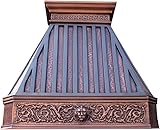
Overview: The NAUXUS HCW32SC-363622ORBLH represents bespoke luxury in range hood design. Handcrafted from 16-gauge pure virgin copper (99.9%), this 36-inch wall-mount hood offers customizable sizing and finishes. With up to 1200 CFM airflow and ultra-quiet operation below 65dB, it serves as both functional powerhouse and artistic centerpiece.
What Makes It Stand Out: Unparalleled customization defines this hood—choose from multiple widths (30-60 inches), depths, heights, and hammered textures (Smooth, Beehive, Fire Hood). The pure virgin copper construction ensures authenticity and longevity. A time-delay turn-off function and copper ball-bearing motor deliver professional-grade performance with whisper-quiet operation, making it ideal for serious home chefs.
Value for Money: At $4,052, this is a premium investment in custom kitchen design. The price reflects true artisan craftsmanship, pure materials, and lifetime warranty coverage. While expensive compared to mass-produced options, comparable custom copper hoods often exceed $5,000, making NAUXUS competitive in the luxury market.
Strengths and Weaknesses: Strengths:
- Genuine 16-gauge virgin copper construction
- Extensive customization options
- Powerful 1200 CFM maximum airflow
- Ultra-quiet operation (<65dB)
- Lifetime warranty on hood cover
Weaknesses:
- Premium price point
- Complex customization process requires consultation
- May be overpowered for casual cooks
Bottom Line: For discerning homeowners seeking a one-of-a-kind kitchen centerpiece with professional performance, the NAUXUS delivers unmatched quality and customization. The investment is justified by authentic materials, artisan craftsmanship, and lifetime durability.
4. CT Copper Tailor Arched Copper Range Hood Vent, 30’’ W, 30’‘H, Custom Handmade Wall Mounted Kitchen Hood with Exhaust Fan and Light, VH26-3HS

Overview: The CT Copper Tailor VH26-3HS offers handcrafted elegance in a 30-inch arched wall-mount design. Artisans shape genuine 16-gauge copper into a timeless silhouette that complements farmhouse and traditional kitchens. With 610 CFM suction and four-speed control, it balances aesthetic appeal with practical ventilation performance.
What Makes It Stand Out: The arched design creates a softer, more traditional aesthetic than rectangular hoods, making it ideal for classic kitchen styles. Four-speed fan control provides granular adjustment, while LED lighting enhances visibility. The clear lacquer coating preserves the copper’s luster indefinitely, preventing the darkening that often occurs with unprotected copper surfaces.
Value for Money: At $3,211, this hood sits between mass-produced and fully custom options. The handcrafted solid copper construction and lifetime hood cover warranty justify the premium over stainless steel alternatives. While not inexpensive, it offers artisan quality at a lower entry point than fully bespoke hoods.
Strengths and Weaknesses: Strengths:
- Authentic hand-hammered 16-gauge copper
- Unique arched silhouette
- 610 CFM with four-speed control
- Clear lacquer prevents oxidation
- Lifetime hood cover warranty
Weaknesses:
- Limited to 30-inch width (customization costs extra)
- Lower CFM than premium competitors
- Basic LED lighting
Bottom Line: A beautiful compromise between custom artisan quality and semi-standard sizing. The CT Copper Tailor excels in traditional kitchen designs where the arched silhouette and genuine copper craftsmanship create timeless appeal without fully bespoke pricing.
5. Akicon Wall Mounted Range Hood, Stainless Steel Ducted Range Hood 30 inch, Energy Saving, Kitchen Hood for Cooking, Powerful Vent Motor, Brushed Stainless with Copper
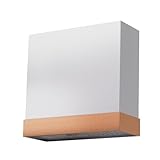
Overview: The Akicon 30-inch wall-mount hood blends modern stainless steel construction with elegant copper accents. Delivering 600 CFM through a high-standard motor while maintaining noise levels below 65dB, this unit targets homeowners seeking contemporary style with effective ventilation. The 3-speed adjustment accommodates various cooking intensities.
What Makes It Stand Out: Multi-dimensional noise reduction technology ensures quiet operation even at maximum power. The double-filter system—including reusable grease filters and a charcoal filter—provides comprehensive air purification. Copper ball-bearing motor construction promises durability, while the simple white box design with copper highlights integrates seamlessly into both modern and traditional kitchens.
Value for Money: At $1,979, this hood offers premium features at a mid-range luxury price. The included charcoal filter and copper-accented aesthetics provide value competitors often charge extra for. With a lifetime hood cover warranty and 3-year filter guarantee, the long-term ownership costs remain reasonable.
Strengths and Weaknesses: Strengths:
- Quiet operation (<65dB) at 600 CFM
- Includes charcoal filter
- Energy-efficient LED lighting
- Double-filter system
- Strong warranty coverage
Weaknesses:
- Stainless steel with copper accents (not solid copper)
- Only 3 speed settings
- Brushed finish may show fingerprints
Bottom Line: An excellent choice for buyers wanting copper aesthetics without solid copper pricing. The Akicon delivers powerful, quiet ventilation with thoughtful features and strong warranties, making it a smart mid-luxury investment for style-conscious homeowners.
6. SINDA Copper Range Hood with Ductless Ventilation System, Antique Bronze Smooth Finish, Wall-Mounted, 30"W x 21"D x 36"H

Overview: The SINDA copper range hood delivers authentic luxury with its 16-gauge solid copper construction (99.9% pure virgin copper) and antique bronze smooth finish. This 30-inch wall-mounted unit features a built-in ductless ventilation system with recirculation capabilities, LED lighting, and machine-washable professional-grade filters. Handcrafted by skilled artisans, it measures 30"W x 21"D x 36"H, with custom sizing available upon request.
What Makes It Stand Out: Unlike copper-finish alternatives, this hood uses genuine solid copper that develops character over time. The included ductless conversion accessories provide installation flexibility where external venting isn’t possible. Its handcrafted nature ensures uniqueness, while the 16-gauge thickness guarantees durability. The decorative crown and patina variance create an authentic antique aesthetic that mass-produced units cannot replicate, making it a true kitchen focal point.
Value for Money: Priced at $3,677, this sits in the mid-range for authentic solid copper hoods ($3,000-$6,000). The cost reflects genuine materials, artisan craftsmanship, and integrated ductless technology. While significantly more than stainless steel options, the heirloom-quality copper ages gracefully rather than wearing out. Eliminating ductwork installation expenses partially justifies the premium for the right installation scenario, offering long-term value for luxury renovations.
Strengths and Weaknesses: Strengths include authentic solid copper construction, flexible ductless operation, handcrafted uniqueness, integrated LED lighting, and custom sizing. Machine-washable filters simplify maintenance. Weaknesses include high upfront cost, potentially lower airflow than ducted systems, and ongoing filter replacement expenses. The 30-inch width may be insufficient for larger cooktops, and copper requires regular care to maintain its appearance and prevent oxidation.
Bottom Line: Ideal for luxury kitchens requiring ductless ventilation and authentic materials. This SINDA hood prioritizes craftsmanship and aesthetic impact over raw power. For homeowners seeking a genuine copper centerpiece that will age beautifully and last decades, it’s a sound investment. Consider carefully if your cooking style demands maximum CFM extraction versus visual presence.
7. ZLINE 30" Designer Series Hand-Hammered Copper Finish Wall Range Hood (8632H-30)

Overview: The ZLINE 8632H-30 combines professional performance with striking design in a 30-inch wall-mounted configuration. This unit features a hand-hammered copper finish over a robust steel body, delivering 500 CFM maximum airflow through four speed settings (260/340/420/500 CFM). Push-button controls manage both fan speed and lighting, while the top-mounted ductwork connection simplifies installation for external venting. The 30-inch width suits standard residential cooktops perfectly.
What Makes It Stand Out: ZLINE’s four-speed control system offers precise ventilation adjustment for various cooking intensities. The hand-hammered copper finish provides luxury aesthetics at a fraction of solid copper cost. At 500 CFM, it efficiently handles heavy cooking without commercial-grade noise levels. The straightforward push-button interface prioritizes user-friendliness over complex digital controls, while the brand’s reputation for reliability adds confidence to your purchase.
Value for Money: At $2,159.99, this positions itself as an accessible luxury option. Pure solid copper hoods start around $3,000, making this copper-finish alternative compelling for budget-conscious designers. The 500 CFM performance rivals premium brands at higher price points. Compared to basic stainless steel hoods, you’re investing approximately $800-$1,000 more for significant aesthetic upgrade and reliable performance, representing strong value in the designer appliance category.
Strengths and Weaknesses: Strengths include powerful 500 CFM airflow, attractive hand-hammered finish, intuitive push-button controls, four-speed versatility, and established brand reliability. The ducted design ensures efficient contaminant removal. Weaknesses include requiring external venting (no ductless option), copper finish rather than solid copper, and limited to 30-inch width. Some users may find the finish less authentic than solid metal, and installation requires ductwork routing that may add cost.
Bottom Line: An excellent choice for homeowners seeking designer aesthetics without solid copper pricing. The ZLINE 8632H-30 balances performance, style, and value effectively. Best suited for kitchens where ducting is feasible and 30-inch coverage meets your needs. For those wanting copper visual impact with proven ventilation power, this delivers compelling results without extreme investment.
8. ZLINE 30 in. Designer Series Hand Hammered Copper Island Mount Range Hood (8GL2Hi-30)

Overview: The ZLINE 8GL2Hi-30 addresses island cooking ventilation with versatile installation options. This 30-inch island mount unit features hand-hammered copper finish and provides 400 CFM maximum airflow across four speeds (120/240/320/400 CFM). Its convertible design allows either external venting or ductless recirculation with optional carbon filters. Push-button controls manage fan speed and lighting, while the top-mounted duct connection accommodates both configurations for maximum flexibility.
What Makes It Stand Out: Island mount design with convertible ventilation distinguishes this model in the ZLINE lineup. The lower CFM settings provide quieter operation for light cooking, while the 400 CFM maximum handles moderate heavy cooking. The hand-hammered copper finish delivers aesthetic appeal from all angles—crucial for island installations where the hood is visible from multiple viewpoints. This adaptability makes it suitable for various kitchen layouts and building constraints.
Value for Money: At $1,214.99, this offers exceptional value for island applications. Island hoods typically command premiums, yet this remains competitively priced. The convertible design eliminates costly ductwork modifications when recirculation suffices. While carbon filters represent an additional expense, the base price undercuts most island-specific hoods by $500-$1,000. For moderate cooking needs, the 400 CFM performance adequately justifies the investment without overspending on unnecessary power.
Strengths and Weaknesses: Strengths include island-specific design, convertible venting options, attractive finish, four-speed control, and competitive pricing. The top-mounted duct connection simplifies both installation types. Weaknesses include lower CFM output than wall-mount equivalents, carbon filters not included, and potential aesthetic limitations of recirculation mode. The 30-inch width may feel undersized for larger island cooktops, and the copper finish lacks the authenticity of solid metal construction.
Bottom Line: Ideal for island kitchens where installation flexibility is paramount. The ZLINE 8GL2Hi-30 excels in moderate-use scenarios where 400 CFM suffices. Best value for homeowners needing island ventilation without certain ducting options. Consider your cooking intensity carefully—heavy fryers should opt for higher CFM models, but for typical family cooking, this delivers style and function affordably.
9. ZLINE 36" Designer Series Hand-HammeredCopper Finish Ducted Wall Range Hood (8632H-36)
Overview: The ZLINE 8632H-36 scales up the designer series with 36-inch width and enhanced 700 CFM performance. This wall-mounted unit features hand-hammered copper finish and offers four speeds (280/420/560/700 CFM) controlled via push-button interface. Designed exclusively for ducted external venting, it includes dishwasher-safe stainless steel baffle filters and top-mounted ductwork connection. The increased width and power accommodate larger cooktops and heavy-duty cooking demands typical of serious home chefs.
What Makes It Stand Out: The 700 CFM maximum airflow stands as the highest in ZLINE’s designer series, effectively handling professional-style cooking equipment. Stainless steel baffle filters offer superior grease capture and dishwasher convenience compared to mesh alternatives. The 36-inch width provides appropriate coverage for larger ranges where 30-inch hoods fall short. This combination of size, power, and practical maintenance features positions it as a serious cooking tool disguised as designer appliance.
Value for Money: Priced at $2,249.99, this represents strong value for 36-inch ducted hoods with 700+ CFM capability. Comparable performance from premium brands often exceeds $3,000. The copper finish provides luxury aesthetics while maintaining steel’s structural advantages. For buyers needing serious ventilation across larger cooking surfaces, the $90 premium over the 30-inch model for 200 additional CFM and 6 inches of coverage is justified. It bridges the gap between residential and commercial performance.
Strengths and Weaknesses: Strengths include powerful 700 CFM airflow, appropriate 36-inch width, dishwasher-safe baffle filters, four-speed control, and attractive finish. The ducted design ensures optimal air quality. Weaknesses include ducted-only configuration (no ductless option), copper finish rather than solid copper, and potential overkill for casual cooks. Installation requires substantial ductwork planning, and the unit may prove noisier at highest setting than lower-CFM models.
Bottom Line: Perfect for serious home chefs with 36-inch ranges who demand professional-grade ventilation. The ZLINE 8632H-36 delivers necessary power without commercial hood aesthetics or pricing. Essential for high-BTU cooking, wok cooking, or frequent frying. If your cooking style pushes residential equipment limits, this provides necessary exhaust capacity while maintaining designer kitchen appeal. A practical powerhouse for demanding culinary applications.
10. NAUXUS Handmade Copper Range Hood, Custom Kitchen Hood with High Airflow Built-in Range Hood, ardiente Copper Stove Vent Hood for Kitchen (30"W x 39"H Wall Mount)

Overview: The NAUXUS range hood represents the pinnacle of customization and performance in copper ventilation. This 30-inch wall mount unit features handcrafted 16-gauge solid copper (99.9% pure virgin copper) construction with extensive customization options. Equipped with a 600 CFM copper ball-bearing motor for 30"/36" sizes (1200 CFM for larger models), it operates below 65dB and includes time-delay turn-off functionality. The unit comes with cETL certification, lifetime copper cover warranty, and 3-year parts coverage.
What Makes It Stand Out: Unparalleled customization distinguishes NAUXUS—choose from multiple widths (30"-60"), depths, heights, patterns (Smooth, Light Hammered, Beehive), and finishes (Natural Copper, Oil Rubbed Bronze, Fire Hood Hammered). The 600 CFM power with ultra-quiet operation below 65dB, time-delay shutoff, and protective coating preventing oxidation demonstrate thoughtful engineering. The lifetime warranty on copper covers reflects exceptional confidence. Pre-shipment CAD drawings and confirmation photos ensure satisfaction.
Value for Money: At $3,804, this commands premium pricing but delivers genuine bespoke value. Comparable custom solid copper hoods exceed $5,000. The included 600 CFM power, quiet operation, and lifetime warranty justify costs over mass-produced alternatives. For 30-inch applications, the price reflects artisan craftsmanship, pure materials, and personalized service. When customization is essential, this represents reasonable investment for heirloom-quality results that perfectly match your kitchen design.
Strengths and Weaknesses: Strengths include authentic solid copper construction, extensive customization, powerful and quiet operation, protective coating, comprehensive warranty, and professional customer service with CAD approval process. Dishwasher-safe baffle filters simplify maintenance. Weaknesses include premium pricing, complex ordering process requiring consultation, potential extended lead times, and possible need for professional installation. The 30-inch width’s 600 CFM costs significantly more than comparable power in standard finishes.
Bottom Line: The ultimate choice for discerning homeowners requiring bespoke design and authentic materials. NAUXUS excels when standard sizes and finishes won’t suffice. Ideal for luxury renovations where the hood serves as a focal point. The lifetime warranty and customization service justify the premium for those valuing uniqueness. If your kitchen design demands perfect coordination and you appreciate artisanal quality, this investment delivers unmatched personalization and enduring performance.
Why Copper Range Hoods Define Luxury Kitchen Design
The Timeless Appeal of Copper
Copper has been gracing the finest homes for centuries, and its resurgence in modern luxury kitchens isn’t just about nostalgia. This metal possesses unique antimicrobial properties that naturally inhibit bacteria growth—a feature that’s particularly valuable in cooking spaces. Unlike painted surfaces that chip or stainless steel that shows every fingerprint, copper develops a character-rich patina that many enthusiasts actively celebrate. The material’s thermal conductivity also means it warms quickly and radiates heat efficiently, creating a subtle ambient effect during long cooking sessions.
What truly sets copper apart in luxury design is its ability to bridge styles. It feels equally at home in a rustic Tuscan villa as it does in a sleek Manhattan penthouse, adapting its personality based on the surrounding architecture and finish treatment. This versatility makes it a safer long-term investment than trend-driven materials that may feel dated in five years.
From Function to Focal Point
The most successful luxury kitchens treat the range hood as architecture, not appliance. A well-designed copper hood can visually anchor the cooking zone, create a sense of verticality in rooms with high ceilings, and establish a hierarchy that guides the eye naturally through the space. Designers often use copper hoods to introduce warmth in kitchens dominated by cool materials like marble and concrete, or to add artisanal texture against sleek, minimalist cabinetry.
Consider how the hood will photograph and appear during entertaining. Unlike recessed ventilation that disappears, a copper hood becomes the backdrop for cooking demonstrations, holiday meal preparations, and casual conversations around the kitchen island. Its presence transforms mundane cooking tasks into performance art.
Understanding Copper Types and Finishes
Hammered vs. Smooth Copper
The texture of your copper hood dramatically influences both its aesthetic impact and light interaction. Hammered copper, created by skilled artisans using traditional techniques, produces a dappled surface that disguises minor dents and scratches while creating mesmerizing light patterns. Each hammer strike is unique, making your hood a true one-of-a-kind piece. This texture excels in traditional, rustic, or Mediterranean kitchens where craftsmanship is celebrated.
Smooth copper, conversely, offers a more contemporary, streamlined appearance. It reflects light like a mirror, making smaller kitchens feel more spacious. However, smooth finishes show imperfections more readily and require more meticulous cleaning to maintain their pristine appearance. For modern luxury kitchens, smooth copper can be striking when paired with minimalist design elements.
Natural Patina vs. Sealed Finishes
One of copper’s most compelling characteristics is its living finish. Unsealed copper will naturally oxidize, transitioning through stages from bright metallic to chocolate brown and eventually to the coveted verdigris green if left untreated. This process can take years and creates a completely organic, evolving aesthetic. Many luxury homeowners choose this path, embracing the unpredictability and authenticity.
Sealed copper, treated with a clear lacquer or wax, locks in the current color state. This is ideal if you’ve fallen in love with a specific tone—whether it’s the fresh blush of new copper or a deep, aged patina—and want to preserve it indefinitely. Be aware that sealants eventually break down, typically requiring reapplication every 5-7 years depending on cooking frequency and cleaning methods. Heat exposure near the cooking surface can accelerate this degradation.
Gauge Matters: What You Need to Know
Copper thickness is measured in gauge, with lower numbers indicating thicker metal. Premium range hoods typically use 16-20 gauge copper, with 16 gauge (approximately 0.051 inches thick) representing the luxury standard. Thicker copper resists denting, maintains its shape better over decades, and produces a more substantial, resonant sound when tapped—similar to the difference between a luxury car door and an economy vehicle.
Thinner gauges (22-24) may be acceptable for decorative hoods in low-use kitchens, but they won’t withstand the thermal cycling and occasional bumps of a serious cooking environment. Always ask about gauge thickness; reputable manufacturers proudly specify this detail. The weight difference is significant—a 48-inch hood in 16 gauge copper can weigh over 100 pounds, requiring robust structural support.
Key Features That Separate Premium from Ordinary
Ventilation Power: CFM Explained
Cubic Feet per Minute (CFM) measures how much air your hood can move, and luxury kitchens demand serious power. For professional-style ranges with BTU outputs exceeding 50,000, you’ll need 600-1200 CFM depending on cooking style. Wok cooking, searing, and grilling require the upper end of this spectrum. However, more CFM isn’t always better—oversized blowers create excessive noise and can cause negative pressure issues in tightly sealed homes.
The magic lies in variable speed controls with at least four settings. Look for models with delayed shut-off features that continue clearing residual odors after you’ve finished cooking. Some premium hoods now include heat sensors that automatically adjust fan speed based on cooking temperature—a brilliant feature for serious home chefs who can’t constantly monitor controls.
Noise Levels and Blower Types
A powerful hood that sounds like a jet engine defeats the purpose of a luxury kitchen. Remote blowers, mounted on the roof or exterior wall rather than in the hood itself, dramatically reduce noise by isolating the motor. Inline blowers positioned in the ductwork offer a middle ground. Hood-mounted blowers, while easiest to install, are inherently noisiest.
Pay attention to sone ratings—a sone is a subjective unit of loudness. Premium hoods operate at 1-3 sones on low speed (comparable to a quiet refrigerator) and 6-8 sones at maximum power. Some manufacturers now offer “boost” modes for short-term high-power ventilation that automatically return to normal levels after a few minutes.
Lighting Integration
Today’s luxury copper hoods incorporate sophisticated lighting systems beyond a single bulb. LED strips with adjustable color temperature (2700K-5000K) allow you to shift from warm ambient lighting to bright task lighting for precise cooking. Some models feature perimeter lighting that washes the surrounding cabinetry in a soft glow, creating architectural depth.
Consider dimming capabilities and whether the controls are integrated into your smart home system. Well-designed hood lighting eliminates harsh shadows on your cooktop while highlighting the copper’s dimensional beauty. Some premium options even include color-changing LEDs for dramatic entertaining effects, though purists often prefer the timeless appeal of warm white light.
Sizing and Proportion: Getting It Right
The 6-Inch Rule and Beyond
The golden rule: your hood should extend at least 3 inches beyond each side of your cooktop, with 6 inches being the luxury standard for professional ranges. A 36-inch range deserves a 42-48 inch hood. This overhang captures steam and grease that would otherwise escape, especially when using front burners. For island installations, consider even greater overhang—up to 12 inches on each side—since air currents flow freely from all directions.
Height is equally critical. The bottom of the hood should sit 30-36 inches above the cooking surface for gas ranges, and 24-30 inches for electric. Too high, and you lose capture efficiency; too low, and you obstruct sightlines and risk heat damage. These measurements assume standard ceiling heights—vaulted ceilings require proportional adjustments.
Height Considerations for Ceilings
Cathedral ceilings present both opportunity and challenge. A custom hood can be fabricated with an extended chimney to fill vertical space, creating a dramatic tower effect. Alternatively, a floating design suspended from ceiling beams offers contemporary appeal. For 8-foot ceilings, ensure the hood doesn’t overwhelm the space—consider a tapered design that feels less imposing.
Designers often use the hood to establish a “ceiling line” that visually lowers soaring heights to a more intimate, human scale. This might involve extending the copper chimney to create a partial soffit or incorporating decorative straps and rivets that draw the eye upward in a controlled manner.
Installation Essentials
Ducted vs. Ductless: Making the Choice
Ducted systems are non-negotiable for serious cooking. They expel contaminated air outside, removing heat, moisture, and pollutants effectively. The duct run should be as short and straight as possible—each 90-degree bend reduces efficiency by approximately 5%. Rigid metal ducting performs better and stays cleaner than flexible ducts, which can trap grease and create fire hazards.
Ductless systems, using charcoal filters to recirculate air, are only appropriate for light cooking or where exterior venting is impossible. They don’t remove heat or moisture, and filter maintenance is ongoing. In luxury kitchens, ductless should be a last resort, not a planned choice. If you’re considering ductless, question whether a statement hood is appropriate for your cooking style.
Professional Installation vs. DIY
Copper range hood installation is not a weekend DIY project. The combination of substantial weight, precise ductwork requirements, and electrical connections demands professional expertise. A structural engineer may need to verify ceiling support, especially for island installations. The cost of professional installation typically ranges from $800-$2,500 depending on complexity, but this investment protects your $3,000-$15,000 hood purchase.
Professional installers understand how to achieve perfect leveling—critical for both function and aesthetics in a statement piece. They’ll also handle permit requirements, which many municipalities mandate for ventilation systems exceeding 400 CFM due to makeup air considerations.
Design Styles to Match Your Aesthetic
French Country Elegance
Characterized by curved crowns, decorative straps, and rivet details, French country hoods often feature warm, medium-patina copper with subtle distressing. These designs typically include corbels or brackets that create a furniture-like appearance, softening the transition between hood and cabinetry. The aesthetic works beautifully with cream-colored cabinets, limestone countertops, and antique brass hardware.
Modern Industrial
Industrial designs embrace raw authenticity: straight lines, exposed seams, and darker patina finishes. These hoods often feature riveted construction that highlights craftsmanship while maintaining minimalist appeal. Pair with concrete countertops, open shelving, and black steel windows for a cohesive loft aesthetic. The contrast between refined copper and utilitarian materials creates sophisticated tension.
Rustic Farmhouse Charm
Farmhouse styles incorporate strapwork, clavos (decorative nails), and sometimes repurposed barn wood accents on the chimney. The copper typically shows heavier distressing and darker patina, suggesting generations of use. These designs excel in kitchens with shiplap walls, apron-front sinks, and wide-plank flooring. The key is balanced authenticity—avoid overly themed elements that feel contrived.
Old World Mediterranean
Mediterranean hoods are the most ornate, often featuring curved aprons, intricate scrollwork, and sometimes bronze or iron accents. The copper develops a rich, dark patina that complements tumbled stone, terra cotta tiles, and arched doorways. These designs make the strongest statement and work best in spacious kitchens where they can breathe without competing with other dramatic elements.
Custom vs. Prefabricated Copper Hoods
When to Invest in Custom
Custom fabrication becomes essential when dealing with non-standard dimensions, unique ceiling heights, or specific design requirements. If your vision includes integrated storage, custom patina matching to existing metalwork, or perfect proportion to architectural details, custom is worth the 30-50% premium. Custom hoods also allow you to select exact gauge thickness, blower specifications, and lighting configurations without compromise.
The lead time for custom work typically runs 8-12 weeks, requiring patience but rewarding you with a piece that’s truly yours. Reputable custom fabricators provide detailed CAD drawings and material samples before fabrication begins, ensuring your expectations align with reality.
Quality Prefab Options
Prefabricated copper hoods have evolved dramatically, with some manufacturers offering semi-custom options that bridge the gap. These hoods come in standard sizes (30, 36, 42, 48, and 60 inches) with configurable chimney heights and multiple finish options. Quality prefab hoods use the same gauge copper and blower systems as custom pieces, just in standardized designs that streamline production.
The advantage is immediate availability and lower cost—typically 40-60% less than custom. For standard kitchen layouts and ceiling heights, a high-end prefab hood can deliver 90% of the custom experience at a fraction of the price. Just verify that the manufacturer allows returns of prefab hoods, as photos rarely capture the true patina and scale.
Maintenance and Care for Lasting Beauty
Cleaning Do’s and Don’ts
Never use abrasive cleaners, steel wool, or harsh chemicals on copper. A simple solution of mild dish soap and warm water, applied with a soft microfiber cloth, removes grease and dust. For stubborn buildup, create a paste from equal parts flour, salt, and white vinegar, apply gently, then rinse thoroughly and dry immediately.
Clean in the direction of the grain or hammer pattern to avoid creating visible swirls. Always test cleaning methods on an inconspicuous area first. The most important rule: clean regularly. Letting grease build up for months makes cleaning more aggressive and risks damaging the finish.
Managing Patina Development
If you’ve chosen unsealed copper, embrace the journey but control the narrative. Areas near the cooking surface will patina faster due to heat and steam, potentially creating uneven coloration. Some homeowners love this authentic variation; others prefer uniform aging. To encourage even patina, occasionally wipe the entire hood with a damp cloth to redistribute natural oils and moisture.
For sealed copper, inspect the sealant annually. If water stops beading on the surface, it’s time for reapplication. This typically involves thorough cleaning, light buffing, and applying a new layer of lacquer or wax. Many homeowners find this maintenance ritual rewarding—a way to intimately connect with their kitchen’s centerpiece.
Budgeting for Your Copper Statement Piece
Understanding Price Drivers
Copper range hood pricing follows a clear hierarchy. Entry-level prefab models in thinner gauges (20-22) start around $2,000-$3,500. Mid-range options with better construction and finishes run $4,000-$7,000. Premium prefab and entry-level custom hoods occupy the $7,000-$12,000 range. True custom pieces from renowned artisans can exceed $15,000, especially with integrated features or complex designs.
The blower system accounts for 20-30% of the total cost. Remote blowers add $800-$1,500 to the price but deliver invaluable quiet operation. Finish complexity—whether hand-applied patina, custom distressing, or protective coatings—also significantly impacts cost. Remember to budget 20% of the hood price for professional installation.
Long-Term Value Consideration
A quality copper range hood should last 50+ years with proper care, making it one of the few true lifetime purchases in your kitchen. Unlike appliances that become obsolete, a classic copper hood gains character and value. When evaluating cost, consider the cost-per-year over a lifetime of use—suddenly, a $10,000 hood costs less annually than a premium coffee maker.
Copper hoods also contribute to home value. Real estate agents report that statement range hoods frequently appear in listing photos and can differentiate properties in competitive markets. The emotional impact on potential buyers often translates to tangible offers.
Common Mistakes to Avoid
The most frequent error is prioritizing aesthetics over ventilation performance. A beautiful hood that doesn’t effectively capture cooking emissions creates a smoky, greasy kitchen regardless of its visual appeal. Always verify CFM ratings and capture area dimensions before falling in love with a design.
Another mistake is improper sizing. Homeowners sometimes choose a hood that’s too small to maintain sightlines or save money, only to discover it can’t handle their cooking style. Conversely, oversized hoods in modest kitchens feel oppressive and create proportion issues that no amount of beautiful copper can fix.
Failing to plan for makeup air represents a critical oversight. High-CFM hoods can create negative pressure that backdrafts fireplaces and pulls garage fumes into living spaces. Many building codes now require makeup air systems for hoods exceeding 400 CFM. Factor this into your budget—typically $1,500-$3,000 for a dedicated makeup air unit.
Warranty and Support: What to Look For
Reputable manufacturers back their copper hoods with comprehensive warranties. Look for lifetime coverage on the copper shell against manufacturing defects, 5-10 years on blowers and motors, and 2-3 years on lighting and controls. Be wary of warranties that pro-rate coverage or exclude normal patina development.
Support quality matters as much as warranty length. Can you speak directly with a technician who understands your specific model? Do they maintain replacement parts for discontinued designs? Premium brands often assign you a dedicated support representative—a telling indicator of their commitment to long-term satisfaction.
Environmental and Health Considerations
Copper is 100% recyclable without quality loss, making it an environmentally responsible choice. Many luxury hoods now incorporate recycled copper content, reducing the environmental footprint without compromising quality. The metal’s natural antimicrobial properties also contribute to healthier indoor air quality by inhibiting bacterial growth on the hood surface itself.
Consider the blower’s energy efficiency. ECM (Electronically Commutated Motor) blowers use up to 60% less electricity than traditional PSC motors while operating more quietly. Some premium systems qualify for energy rebates, offsetting initial costs. The health benefits of proper ventilation—removing combustion byproducts, moisture that breeds mold, and particulates that aggravate allergies—make a quality hood an investment in wellness.
Trends Shaping Copper Range Hoods This Year
We’re seeing a move toward “living finishes” where manufacturers apply accelerated patina techniques that mimic decades of natural aging, then seal the result. This gives homeowners the coveted aged look immediately while maintaining control over future development. Mixed metal combinations—copper hoods with brass or bronze accents—are gaining traction as designers embrace eclectic sophistication.
Smart integration is the most significant technological trend. Hoods that communicate with your range to automatically adjust ventilation, sync with whole-home air quality monitors, and respond to voice commands are moving from gimmick to genuine utility. The most elegant implementations hide technology completely, preserving the timeless copper aesthetic while delivering modern convenience.
Frequently Asked Questions
How do I know if my kitchen needs a 600 CFM or 1200 CFM copper range hood?
Calculate based on your cooktop’s total BTU output—divide by 100 for minimum CFM. For example, a 60,000 BTU range needs at least 600 CFM. Add 100 CFM for every foot of hood width beyond 30 inches, and increase by 50% if you do frequent high-heat cooking like wok frying or searing. When in doubt, size up; you can always run a powerful hood at lower speeds, but an underpowered hood can’t be improved.
Will my copper hood turn green like the Statue of Liberty?
Only if you want it to. The Statue’s blue-green patina developed over decades in harsh coastal conditions. In kitchen environments, unsealed copper typically darkens to rich browns and deep burgundies. Green patina requires specific chemical treatments or decades of exposure. Most homeowners seal their hoods to preserve the warm copper tones they fell in love with, completely preventing green development.
Can I install a copper range hood on a kitchen island?
Absolutely, and island installations often create the most dramatic statements. They require careful consideration of ceiling support, duct routing through the ceiling, and capture area. Island hoods should be 6-12 inches wider than the cooktop on each side since air currents approach from all directions. Consider a remote blower to minimize noise in the open space, and plan lighting carefully since island hoods illuminate the entire room.
How often do I need to clean the filters in my copper hood?
For avid home cooks, clean mesh filters monthly by running them through the dishwasher or soaking in degreasing solution. Charcoal filters in ductless systems need replacement every 3-6 months. The copper exterior requires only gentle dusting weekly and deeper cleaning quarterly. The less you touch the copper surface, the better—fingerprints and over-cleaning actually accelerate uneven patina development.
What’s the difference between a $3,000 and a $10,000 copper range hood?
Primarily gauge thickness, blower quality, and finish craftsmanship. A $3,000 hood likely uses 20-22 gauge copper, a hood-mounted blower, and a factory-applied uniform finish. A $10,000 hood features 16 gauge copper, remote blower system, hand-finished patina with dimensional variation, superior welding and seams, and often includes smart features and premium lighting. The expensive hood will also carry a more comprehensive warranty and retain its beauty for decades longer.
Is it safe to use copper near high heat?
Yes, when properly constructed. Quality copper hoods include a fire-rated liner—typically stainless steel—that contains the actual ventilation system. The copper is a decorative skin over this functional core, never directly exposed to cooking flames. The copper itself has a melting point of nearly 2,000°F, far exceeding normal cooking temperatures. The key is ensuring your hood has a proper liner and was designed for cooking applications, not purely decorative use.
Can I change the patina after installation if I don’t like how it’s developing?
Yes, but it’s easier to darken copper than to lighten it. If your unsealed hood is becoming too dark, you can use a copper brightening solution to restore some original tone, then seal it to lock in the desired color. If it’s too light, applying a patina accelerator can deepen the tone within hours. Always test on a hidden area first, and consider hiring a specialist for major changes to avoid irreversible mistakes.
Do copper range hoods work with induction cooktops?
They work beautifully, though you may need less CFM since induction produces less ambient heat than gas. The visual warmth of copper provides welcome contrast to induction’s modern, cool appearance. One advantage: induction’s precise temperature control produces less splatter, so your copper hood stays cleaner. Just ensure the hood’s capture area still adequately covers the cooktop dimensions, as steam and odors remain the same regardless of heat source.
How do I coordinate my copper hood with other metal finishes in my kitchen?
Aim for intentional contrast or perfect match—avoid similar-but-different tones that look like mistakes. If you have polished nickel faucets, consider a bright copper hood for warm contrast. If you have oil-rubbed bronze hardware, a dark patina copper hood can harmonize beautifully. Many designers now embrace mixed metals deliberately, using copper as the dominant warm tone balanced by cooler metals in smaller applications like cabinet pulls.
What’s the most important question to ask a copper hood manufacturer before purchasing?
Ask: “Can you provide references from customers who’ve had your hoods installed for 5+ years?” This reveals everything about long-term quality, finish stability, and customer support. New hoods always look beautiful; the real story emerges years later. Reputable manufacturers will gladly connect you with long-term customers and show you photos of how their hoods age. If they hesitate, that’s a red flag indicating potential quality issues that only surface over time.