If you’ve been eyeing that countertop air fryer with equal parts curiosity and cabinet-space anxiety, you’re not alone. The latest generation of electric ranges with air fry mode is quietly transforming American kitchens, bundling crisp, golden results directly into your oven—no extra gadgets, no tangle of cords, and no sacrificing precious counter real estate. This integration isn’t just a clever marketing twist; it’s a genuine leap forward in how we approach weeknight dinners, meal prep, and the eternal quest to make comfort food feel a little less guilty.
The beauty of these appliances lies in their duality: they’re workhorse ovens that bake, broil, and roast with precision, yet with a simple setting change, they become high-velocity air fryers that can transform a tray of raw vegetables into caramelized perfection or resurrect last night’s pizza to its former glory. As more families prioritize healthier cooking methods without wanting to compromise on flavor or convenience, understanding what makes these ranges tick—and which features separate the exceptional from the merely adequate—has never been more important.
Top 10 Electric Ranges with Air Fry
Detailed Product Reviews
1. Kenmore Front Control Electric Range Oven with 5 Cooktop Elements with 7 Cooking Power Options, True Convection, Steam and Self Clean, Freestanding Oven, 4.8 cu. ft. Capacity Stainless Steel

Overview: The Kenmore Front Control Electric Range delivers premium cooking performance in a sleek stainless steel package designed for modern kitchens. With 5 cooktop elements offering 7 distinct power options and a 4.8 cubic foot true convection oven, this freestanding unit combines versatility with user-friendly front-mounted controls that eliminate reaching over hot surfaces.
What Makes It Stand Out: This range distinguishes itself through thoughtful engineering. The dual 3,000-watt Turbo Boil elements significantly reduce water heating times, while the true convection system uses a third heating element and fan for professional-grade roasting and baking. The inclusion of both steam clean and self-clean options provides flexibility in maintenance, and the integrated Air Fry setting eliminates need for a separate countertop appliance.
Value for Money: At $999.99, this Kenmore hits the sweet spot between budget appliances and premium brands costing $1,500+. You’re getting legitimate convection cooking, multiple cleaning modes, and high-wattage elements typically found in more expensive models. The feature-to-price ratio makes it a compelling alternative to entry-level LG or Samsung ranges.
Strengths and Weaknesses: Pros include intuitive front controls, powerful Turbo Boil elements, versatile cleaning options, and true convection performance. The 4.8 cu ft oven capacity suits most families, though smaller than some competitors. Cons: the cooktop layout may feel cramped when using all five elements simultaneously, and Kenmore’s post-Sears service network can be inconsistent.
Bottom Line: An excellent choice for home cooks seeking professional features without the premium price tag. The combination of power, convenience, and cleaning versatility makes this range a smart investment for most households.
2. COSMO COS-ERC305WKTD 30 in. Haven Collection 6.3 cu. ft. Electric Range, 5 Burner Ceramic Glass Cooktop, Self Clean, Air Fry, Stainless Steel

Overview: The COSMO COS-ERC305WKTD from the Haven Collection brings high-end styling to the mid-premium segment with its expansive 6.3 cubic foot convection oven and five-element ceramic cooktop. This 30-inch electric range targets discerning home chefs who prioritize both performance and sophisticated design aesthetics in their kitchen centerpiece.
What Makes It Stand Out: COSMO’s safety-first engineering sets it apart, featuring an oven cavity cooling ventilation system, triple-thick oven glass, and cool-touch handle—amenities rarely emphasized at this price point. The 3,200-watt dual-element burner offers exceptional flexibility, while the dedicated 100-watt warming center keeps dishes at serving temperature. The corrosion-resistant stainless steel construction with heavy-duty knobs signals durability.
Value for Money: Priced at $1,449.99, this COSMO commands a premium over similar-featured competitors. However, the superior build quality, enhanced safety features, and generous oven capacity justify the investment. It competes directly with Bosch and KitchenAid models costing $300-500 more, making it a value proposition for safety-conscious buyers.
Strengths and Weaknesses: Strengths include robust safety engineering, large oven capacity, quality materials, and a powerful dual-element burner. The ceramic glass surface cleans easily. Weaknesses: power cord sold separately (hidden cost), limited brand recognition may concern some buyers, and the control interface lacks the intuitive flow of established competitors.
Bottom Line: Ideal for families prioritizing safety and capacity. While priced higher than basic convection models, the COSMO’s build quality and protective features make it a worthwhile investment for long-term peace of mind.
3. Equator ECR 204 20" Electric Range in WHITE – 4 Ceramic Burners, Convection Oven & Air Fry Function, Compact Freestanding Electric Stove for Apartments, Condos & Tiny Kitchens

Overview: The Equator ECR 204 addresses the underserved compact kitchen market with its 20-inch width and versatile cooking capabilities. Designed specifically for apartments, condos, and tiny homes, this white freestanding range refuses to compromise on modern features, packing convection baking and air frying into a space-saving footprint that traditional manufacturers overlook.
What Makes It Stand Out: Equator’s commitment to full-featured compact design is remarkable. Unlike most small ranges that offer basic coil elements, the ECR 204 includes four ceramic burners with precise temperature control and a true convection oven with air fry functionality. The advanced timing settings and consistent dual-element heat control demonstrate that downsizing doesn’t require sacrificing cooking performance or convenience.
Value for Money: At $829.00, this compact range commands a premium price relative to its size, but delivers value unavailable elsewhere. Traditional 20-inch ranges lack convection and air fry, forcing small-space dwellers to purchase separate appliances. The all-in-one solution saves counter space and money compared to buying a basic range plus countertop air fryer and convection toaster oven.
Strengths and Weaknesses: Pros: space-efficient design, genuine convection performance, ceramic cooktop (rare in compact models), and smart safety features like hot surface indicators. Cons: limited oven capacity restricts large meal preparation, white finish may not suit all decors, and the brand has limited service network reach.
Bottom Line: A game-changer for small-space living. If your kitchen can’t accommodate a standard 30-inch range, the Equator ECR 204 delivers big-appliance features in a compact package worth every penny.
4. Equator 24" Electric Range in STAINLESS, Ceramic Cooktop, Convection Oven & Air Fry Function – Compact Freestanding Stove for Baking, Broiling, Grilling, Air Frying & Everyday Cooking

Overview: The Equator 24-inch Electric Range bridges the gap between cramped apartment models and full-size appliances, offering stainless steel sophistication for compact kitchens. This freestanding unit delivers five distinct oven functions—bake, broil, grill, air fry, and defrost—alongside a sleek ceramic cooktop, proving that space constraints needn’t limit culinary ambition.
What Makes It Stand Out: Equator’s versatility-first approach shines with five dedicated oven modes controlled by six intuitive knobs, providing direct, mechanical reliability that touchscreen panels can’t match. The ceramic cooktop features two 8-inch 2,000-watt and two 6-inch 1,200-watt elements, delivering proportionate power for the size. The convection fan ensures even heat distribution, while the 8,700-watt total output maximizes efficiency.
Value for Money: At $929.00, this 24-inch model sits at the higher end of compact range pricing, but justifies the cost through premium materials and multi-functionality. Comparable European brands like Blomberg or Bertazzoni cost $1,200+ for similar features. For urbanites seeking stainless steel aesthetics without committing to 30 inches, the value proposition is strong.
Strengths and Weaknesses: Pros include genuine stainless steel construction, versatile cooking modes, easy-to-clean ceramic surface, and knob controls preferred by many chefs. The 24-inch width fits most apartment cutouts. Cons: smaller oven volume limits simultaneous cooking, single convection fan may create hot spots in some baking scenarios, and brand recognition remains limited.
Bottom Line: Perfect for city dwellers wanting premium features in a non-standard size. The Equator 24-inch offers near full-size performance in a compact, stylish package that justifies its price.
5. COSMO COS-GRC305KTD 30 in. Lumin Collection 6.1 cu. ft. Gas Range with 5 Burners, Convection Oven, Self Clean, Air Fry in Stainless Steel

Overview: The COSMO COS-GRC305KTD gas range from the Lumin Collection caters to cooking purists who prefer the immediate response of open flame combined with modern oven technology. This 30-inch freestanding unit features five sealed burners totaling 51,000 BTUs and a spacious 6.1 cubic foot convection oven, blending traditional gas cooktop control with contemporary air frying and self-cleaning capabilities.
What Makes It Stand Out: COSMO’s gas cooktop engineering impresses with a 16,000 BTU power burner for high-heat searing and a gentle 5,500 BTU simmer burner for delicate sauces. The sealed burner design contains spills while overlapping the range sides—a thoughtful detail preventing messes from slipping into gaps. The triple-thick oven glass and cooling ventilation system demonstrate COSMO’s safety focus, while the digital display adds modern precision to gas cooking.
Value for Money: At $1,499.99, this COSMO competes with entry-level KitchenAid and GE Profile gas ranges. The inclusion of air fry and self-clean functions in a gas oven is uncommon at this price, typically found in units costing $1,800+. For those wanting gas cooktop control without sacrificing modern oven conveniences, the value is compelling.
Strengths and Weaknesses: Pros: powerful burner variety, sealed cooktop design, safety features, and hybrid gas-electric functionality. The 6.1 cu ft oven capacity handles large meals. Cons: requires both gas line and 120V electrical connection, brand service network less extensive than legacy manufacturers, and oven preheating slower than electric models.
Bottom Line: An excellent hybrid solution for gas cooking enthusiasts. If you demand flame precision but want modern oven features, this COSMO delivers premium performance at a competitive price point.
6. VEVOR 30in Electric Range Oven, 4.8Cu. Ft. Capacity Compact Freestanding Oven, Stainless Steel Kitchen Stove, with 5 Burners, Self-Cleaning, Air Fry, Easy Reach Racks, Storage Drawer(No Power Cord)

Overview: The VEVOR 30-inch Electric Range delivers impressive functionality at a competitive price point. This freestanding unit combines a spacious 4.8 cubic foot oven with five burners, making it suitable for families who need versatile cooking capabilities. The stainless steel construction with black microcrystalline glass creates a modern aesthetic that integrates well into contemporary kitchens.
What Makes It Stand Out: This model packs premium features rarely found at this price tier, including air fry capability, self-cleaning function, and an intuitive LED touch panel with timer. The dual oven elements (3500W/3000W) and 8500W cooktop power ensure rapid heating and precise temperature control. Six adjustable oven racks provide exceptional flexibility for multi-level cooking.
Value for Money: At $1,299.99, the VEVOR undercuts major brands by hundreds while offering comparable features. The inclusion of convection cooking, air fry, and self-clean typically commands premium pricing. For budget-conscious buyers seeking modern amenities without sacrificing performance, this represents excellent value, though the absence of a power cord adds a minor hidden cost.
Strengths and Weaknesses: Strengths include powerful heating elements, versatile cooking modes, generous capacity, and self-cleaning convenience. The sleek design and CSA certification inspire confidence. Weaknesses involve VEVOR’s limited appliance track record compared to legacy brands, potential service network concerns, and the missing power cord requiring separate purchase.
Bottom Line: The VEVOR 30-inch Electric Range is ideal for value seekers wanting premium features without the premium price tag. While brand familiarity may be limited, the feature set and performance make it a compelling choice for practical home cooks.
7. Equator ECR 204 20" Electric Range in STAINLESS – 4 Ceramic Burners, Convection Oven & Air Fry Function, Compact Freestanding Electric Stove for Apartments, Condos & Tiny Kitchens

Overview: The Equator ECR 204 addresses a critical market gap: quality cooking performance in a 20-inch footprint. Designed specifically for apartments, condos, and tiny kitchens, this compact electric range refuses to compromise on functionality despite its space-saving dimensions. The stainless steel finish maintains a professional appearance while fitting into tight spaces.
What Makes It Stand Out: Four ceramic burners deliver precise heat control from gentle simmer to rolling boil, while the convection oven with air fry function brings versatility uncommon in compact appliances. Safety shines through thoughtful additions: a hot surface indicator light, protective splashback, and heat-resistant handle make this exceptionally apartment-friendly for families with children or cooking novices.
Value for Money: Priced at $839.00, the Equator commands a premium over basic compact ranges but justifies this through advanced features like air frying and convection—capabilities typically reserved for full-size models. For urban dwellers prioritizing functionality over capacity, this represents smart spending that eliminates need for separate air fryer appliances.
Strengths and Weaknesses: Strengths include its rare 20-inch width with premium features, comprehensive safety systems, and convection performance. The ceramic cooktop offers easy cleaning. Weaknesses center on limited oven capacity restricting large meal preparation, fewer burners than standard ranges, and lower overall power output compared to 30-inch models.
Bottom Line: The Equator ECR 204 is the perfect solution for space-constrained living where cooking quality cannot be compromised. It’s a specialized appliance that excels in its niche, making it worth every penny for apartment dwellers who love to cook.
8. Kenmore 5.6 cu. ft. Front Control Electric Range Oven with 5 Elements - True Convection, Air Fry, Self Clean Oven, Temperature Probe, Ultra Durable Chrome Racks, Large Window - Stainless Steel

Overview: The Kenmore 5.6 cu. ft. Front Control Electric Range positions itself as a serious cooking tool for passionate home chefs. This premium appliance combines generous capacity with precision technology, featuring true convection and an impressive five-element cooktop. The front control design offers both aesthetic appeal and practical accessibility.
What Makes It Stand Out: True convection technology ensures consistent heat distribution for superior baking and roasting results. The dedicated air fry function includes a basket, eliminating countertop clutter. A temperature probe enables precise meat cooking without guesswork. Triple and dual-ring elements provide exceptional flexibility, from rapid boiling to gentle simmering, while the ultra-durable chrome racks support heavy cookware.
Value for Money: At $1,579.49, this Kenmore sits in the upper-midrange category. The investment buys proven brand reliability, superior build quality, and professional-grade features like the temperature probe and true convection. Compared to luxury brands offering similar specs at $2,000+, this represents solid value for serious cooks.
Strengths and Weaknesses: Strengths include the expansive 5.6 cubic foot capacity, precise temperature control, robust rack construction, hidden bake element for easy cleaning, and comprehensive cooking modes. Weaknesses involve the higher price point potentially exceeding casual cooks’ needs, and front controls may be prone to accidental adjustments in busy kitchens.
Bottom Line: This Kenmore range is built for culinary enthusiasts who demand precision and capacity. If you regularly cook for crowds or pursue complex recipes, the investment in true convection, temperature probe, and durable construction will elevate your cooking experience significantly.
9. COSMO COS-ERD304K-BK 30 in. Stellar Collection 5.0 cu. ft. Electric Range with 4 Burner Glass Cooktop and Convection Oven in Matte Black

Overview: The COSMO COS-ERD304K-BK from the Stellar Collection makes a bold style statement while delivering solid cooking performance. This 30-inch electric range features a distinctive matte black finish that distinguishes it from standard stainless steel appliances. With a 5.0 cubic foot convection oven and four glass cooktop burners, it balances aesthetics with functionality.
What Makes It Stand Out: The matte black finish with heavy-duty knobs creates a high-end, designer aesthetic at a mid-range price. The cooktop features two powerful dual-element burners (3700W and 3200W total) that adapt to different pot sizes, providing flexibility typically found in premium models. Comprehensive safety features include an oven cavity cooling ventilation system, overheating protection, triple-thick oven glass, and a cool-touch handle.
Value for Money: At $1,049.99, the COSMO offers compelling value for style-conscious buyers. The combination of designer aesthetics, dual elements, convection cooking, and robust safety systems undercuts comparable designer-brand ranges by significant margins. However, the absence of self-cleaning functionality and included power cord slightly diminishes overall value.
Strengths and Weaknesses: Strengths include striking matte black design, adaptable dual-element burners, excellent safety features, and even convection performance. The heavy-duty construction inspires confidence. Weaknesses involve only four burners versus competitors’ five, no self-cleaning option, missing power cord, and COSMO’s less established service network compared to legacy brands.
Bottom Line: The COSMO Stellar Collection range is perfect for homeowners prioritizing kitchen design without sacrificing core performance. If matte black complements your aesthetic and you can live without self-cleaning, this offers distinctive style and solid cooking capability at a reasonable price.
10. GE Profile PS960YPFS 30" Slide in Electric Double Oven Convection Range with 6.6 cu. ft. Total Capacity
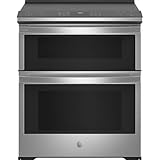
Overview: The GE Profile PS960YPFS represents the pinnacle of kitchen appliance innovation with its slide-in double oven configuration. Offering 6.6 cubic feet of total capacity across two separate ovens, this premium range caters to serious entertainers and multi-tasking home chefs. The sleek design integrates seamlessly into high-end kitchen renovations.
What Makes It Stand Out: The no-preheat air fry technology revolutionizes convenience, delivering crispy results without waiting. Glide Touch Controls provide intuitive, precise operation with a modern interface. Smart anywhere control enables remote monitoring and notifications via smartphone, bringing true connectivity to cooking. The double oven design allows simultaneous cooking at different temperatures—a game-changer for holiday meals.
Value for Money: At $2,129.00, this is a significant investment positioned in the luxury tier. While expensive, it consolidates multiple appliances (double oven, air fryer, smart controls) into one unit. For those regularly cooking complex meals or entertaining, the time-saving features and capacity justify the premium over single-oven models.
Strengths and Weaknesses: Strengths include unmatched cooking flexibility with dual ovens, innovative no-preheat air fry, sophisticated touch controls, remote monitoring, and GE’s reliable service network. Weaknesses center on the steep price, complexity potentially overwhelming casual cooks, and slide-in design requiring precise cabinet dimensions.
Bottom Line: The GE Profile double oven range is ideal for luxury kitchens and serious home entertainers who demand maximum flexibility and smart features. If your budget allows and you frequently cook multiple dishes simultaneously, this premium appliance delivers exceptional convenience and performance.
Why Air Fry Technology is Revolutionizing Electric Ranges
The kitchen appliance landscape has witnessed countless trends, but the integration of air fry technology into full-size electric ranges represents a fundamental shift rather than a fleeting fad. This evolution speaks directly to modern cooking priorities: health-conscious meal preparation, multi-functionality, and streamlined kitchen design.
The Science Behind the Trend
Traditional deep frying submerges food in hot oil, creating a Maillard reaction through fat conductivity. Air fry technology replicates this effect using rapidly circulating super-heated air, typically reaching temperatures between 400°F and 500°F with fan speeds dramatically higher than standard convection. When manufacturers engineer this capability into a full-size oven, they must redesign heating element placement, fan motor power, and cavity airflow dynamics to ensure even cooking across multiple racks—not just a small basket’s worth of food.
Health Benefits That Matter
The reduction in oil usage—often by 70% to 80%—is the headline benefit, but the advantages run deeper. Cooking with less oil significantly decreases caloric density while preserving the textural contrast we crave: crispy exteriors, tender interiors. For households managing cholesterol, heart health, or simply trying to incorporate more vegetables into picky eaters’ diets, this technology removes the psychological barrier that “healthy” equals “bland.”
How Air Fry Mode Works in Electric Ranges
Understanding the mechanics behind air fry mode helps you set realistic expectations and achieve better results. It’s not magic—it’s sophisticated thermal engineering.
Convection vs. True Air Fry Technology
While marketing materials often blur the lines, there’s a tangible difference between a standard convection fan and a dedicated air fry system. Convection uses a moderate-speed fan to distribute heat evenly, ideal for baking cookies or roasting meats. True air fry mode engages a separate, high-velocity fan combined with a top-mounted heating element that focuses intense, direct heat onto food surfaces. This dual-element approach creates the rapid exterior dehydration necessary for crisping.
The Role of Specialized Heating Elements
Premium ranges with air fry capability typically feature a third heating element dedicated to this function. Located in the upper portion of the oven cavity, this element works in concert with the convection fan to create a vortex of hot air that envelops food from all angles. The wattage of this element—often ranging from 2,500 to 3,500 watts—directly impacts how quickly the oven can recover temperature when you open the door and how effectively it can maintain the high heat needed for optimal crisping.
Key Benefits of Cooking with Air Fry Mode
Beyond the obvious health implications, integrating air fry into your primary oven unlocks several practical advantages that countertop units simply cannot match.
Nutritional Advantages
The rapid cooking times associated with air fry mode preserve more water-soluble vitamins—like vitamin C and B-complex vitamins—that degrade during prolonged exposure to heat. Additionally, because you’re not submerging food in oil, you eliminate the formation of certain harmful compounds associated with deep-frying at high temperatures. The result is nutritionally superior food that retains more of its original nutrient profile.
Time and Energy Efficiency
A full-size oven’s air fry mode can handle significantly larger batches than a countertop appliance, reducing the need to cook in multiple rounds. From an energy perspective, modern electric ranges with air fry are designed to preheat rapidly—often reaching 400°F in under 8 minutes—and the concentrated heat means cooking times decrease by 20% to 30% compared to conventional baking. Over a year of weeknight dinners, that translates to measurable electricity savings.
Essential Features to Look for in an Electric Range with Air Fry
Not all air fry modes are created equal. The difference between mediocre and exceptional results often lies in granular features that aren’t immediately apparent in showroom displays.
Temperature Range and Precision
Look for models offering a maximum temperature of at least 450°F, though 500°F is ideal for achieving restaurant-quality crisp on proteins. Equally important is temperature accuracy—ovens that maintain temperature within a 5°F variance produce far more consistent results than those with a 25°F swing. Infrared thermometers can reveal hot spots, but spec sheets that mention “temperature management systems” or “precision cooking controls” typically indicate better engineering.
Pre-Programmed Settings vs. Manual Control
Many ranges now include preset options for fries, wings, vegetables, and fish. While convenient for beginners, these presets rarely account for personal preferences or variations in food thickness. The most versatile models offer customizable presets that you can program with your preferred time and temperature combinations, then save for one-touch access. This hybrid approach gives you the best of both worlds: convenience and control.
Included Accessories
The right accessories dramatically impact air fry performance. A dedicated air fry basket—typically a perforated stainless-steel tray—allows maximum air circulation around food. Some manufacturers include a sturdy baking sheet to place underneath, catching drips and preventing smoke. Check whether these accessories are included or sold separately; a $50 to $100 accessory kit can shift the overall value proposition significantly.
Understanding Capacity and Size Considerations
The transition from countertop air fryer to range-integrated technology fundamentally changes how you think about cooking volume and kitchen layout.
Oven Cubic Feet Explained
Air fry effectiveness depends on air volume as much as food volume. A 5.0 cubic foot oven might sound impressive, but if the interior dimensions are wide and shallow, airflow becomes turbulent rather than cyclonic. The sweet spot for most households is 4.8 to 6.2 cubic feet with a depth that allows at least 3 inches of clearance around food items. Remember that air fry mode performs best when the oven isn’t overcrowded—plan to use about 60% of the total capacity for optimal results.
Countertop Space Impact
While these ranges eliminate countertop appliance clutter, consider the space needed for door swing. French door designs or side-swing doors can be game-changers in galley kitchens. Additionally, the control panel’s placement—rear-mounted vs. front-facing—affects how much usable space you have on adjacent countertops. Measure your kitchen’s workflow zones to ensure the range enhances rather than obstructs your prep areas.
Power and Performance Metrics That Matter
Wattage numbers tell only part of the story. Understanding how power translates to performance helps you avoid underwhelming results.
Wattage and Heating Speed
Total oven wattage typically ranges from 2,400 to 4,000 watts. For air fry mode, pay attention to the broil element wattage specifically—this drives the top-down heat essential for crisping. Elements rated at 3,000 watts or higher can sear surfaces before interiors dry out, a crucial balance for foods like chicken thighs or pork chops. Also consider the oven’s recovery time; models with rapid preheat features use dual elements to reach target temperatures faster.
Element Configuration
Beyond wattage, the physical arrangement of heating elements determines cooking uniformity. Look for ranges with a true third element (not just a fan) and multiple element zones that can operate independently. Some advanced models feature a “variable broil” that adjusts intensity across different sections of the element, preventing delicate items like fish from overcooking while still crisping thicker portions.
Oven Configuration Options
The structural design of your oven cavity influences everything from cooking flexibility to cleaning ease.
Single vs. Double Oven Designs
Double oven ranges with air fry mode in the upper cavity offer remarkable versatility—you can air fry a main course while baking dessert below. However, the smaller upper oven may limit batch size. Single oven models often provide larger air fry capacity but lack the multi-tasking advantage. Consider your typical meal complexity: if you routinely cook multi-component dinners, a double oven design might justify its higher price tag.
Rack Position Flexibility
Air fry mode typically requires placing food on specific racks to optimize airflow. Models offering five to seven rack positions give you more flexibility to adjust for food height and quantity. Some ranges include a “gliding” rack that extends smoothly, crucial when handling hot, heavy air fry baskets. Check whether the recommended air fry position places food close enough to the top element without risking scorching.
Control Panel and User Interface Considerations
The interaction between cook and appliance should feel intuitive, not frustrating. Modern interfaces range from minimalist to feature-rich.
Digital vs. Analog Controls
While knob-controlled ranges offer tactile simplicity, digital panels provide precise temperature inputs and often include helpful features like cook time countdowns and internal temperature probes. The best designs combine both—knobs for quick adjustments, with a digital display showing exact settings. Touchscreen panels look sleek but can be challenging to operate with wet or flour-dusted hands.
Smart Connectivity Features
Wi-Fi-enabled ranges allow you to monitor cooking progress from your smartphone, preheat the oven while commuting home, and receive notifications when food reaches target temperatures. Some apps include recipe libraries that automatically set time and temperature based on your selection. While not essential, these features appeal to tech-savvy cooks who appreciate integration with smart home ecosystems.
Cleaning and Maintenance Best Practices
Air frying generates splatter and grease aerosols that coat oven interiors more aggressively than conventional baking. Your cleaning strategy matters.
Self-Cleaning Functions
Traditional pyrolytic self-cleaning cycles (which heat the oven to 900°F to incinerate residue) can damage air fry components over time. Look for ranges with a dedicated “steam clean” or “hydro clean” option for routine maintenance, reserving pyrolytic cleaning for quarterly deep cleans. Some manufacturers now offer catalytic liners on the rear wall that absorb grease during normal cooking, significantly reducing manual scrubbing.
Manual Cleaning Tips
The perforated air fry basket requires special attention—soak it in hot, soapy water immediately after use to prevent grease from polymerizing into a stubborn coating. Use a soft brush to clean holes, avoiding abrasive pads that scratch non-stick surfaces. For the oven cavity, a paste of baking soda and water applied to cooled surfaces can lift grease without harsh chemicals that might affect future food flavors.
Installation Requirements and Considerations
Upgrading to an electric range with air fry mode often involves more than sliding out the old unit and plugging in the new one.
Electrical Specifications
Most full-size electric ranges require a dedicated 240-volt circuit rated for 40 to 50 amps. If your existing circuit is older or shared with other appliances, you’ll need an electrician to run new wiring. Some high-performance models with rapid preheat features specify 50-amp minimums; verify your home’s service panel capacity before purchasing. Undersized electrical supply won’t just cause breakers to trip—it can permanently damage the range’s control board.
Ventilation Needs
Air fry mode produces more steam and cooking odors than standard baking due to the high air velocity and temperature. Ensure your kitchen ventilation system exchanges at least 300 cubic feet per minute (CFM) when the oven is operating. Downdraft ranges exist but often compromise air fry performance; a properly sized overhead range hood typically provides better extraction. Consider makeup air requirements in tightly sealed modern homes, as powerful exhaust fans can create negative pressure.
Budget Considerations and Value Proposition
Price ranges for these appliances vary dramatically, but sticker price rarely tells the complete value story.
Price Tiers Explained
Entry-level models ($800–$1,200) typically include basic air fry functionality but may lack precise temperature control or dedicated accessories. Mid-tier options ($1,200–$2,000) offer improved build quality, better warranties, and more consistent performance. Premium ranges ($2,000–$4,000+) feature advanced materials, smart connectivity, and superior heat distribution. Consider cost-per-use over the appliance’s 10- to 15-year lifespan—a $300 premium for consistent results translates to pennies per meal.
Warranty and Support
Standard warranties cover one year for parts and labor, but the heating elements and electronic controls most critical to air fry performance may have separate coverage. Extended warranties can be worthwhile if they specifically cover these components. Investigate manufacturer reputation for parts availability; a decade from now, you’ll want to replace a failed fan motor, not the entire range.
Common Misconceptions About Air Fry Ranges
Myths abound when new technology enters mainstream kitchens. Separating fact from fiction ensures satisfaction with your purchase.
Myth-Busting Key Points
Myth: Air fry mode is just a rebranded convection fan.
Reality: True air fry systems use higher fan RPMs and dedicated heating elements, producing measurably crispier results.
Myth: You’ll never use your regular oven settings again.
Reality: Air fry excels at crisping but can dry out foods requiring slow, gentle cooking. It’s a powerful tool, not a universal replacement.
Myth: All air fry baskets are interchangeable.
Reality: Manufacturer-designed accessories optimize airflow for specific cavity dimensions; third-party options often underperform.
Myth: Air fry mode uses less energy than a countertop unit.
Reality: While faster, a full-size oven draws more total power; the savings come from cooking larger batches simultaneously.
Tips for Getting the Best Results from Your Air Fry Mode
Mastering this technology requires adjusting techniques developed for conventional ovens or small air fryers.
Food Preparation Techniques
Pat proteins dry with paper towels before seasoning—surface moisture is the enemy of crispiness. For breaded items, a light spray of oil on the exterior promotes even browning. Cut vegetables uniformly to ensure consistent cooking; ½-inch pieces typically achieve the best texture balance. Marinate meats for at least 30 minutes, but brush off excess liquid before air frying to prevent steaming.
Optimal Rack Positioning
Place the air fry basket on the recommended rack position—usually the second from the top—to position food 4 to 6 inches below the heating element. This proximity ensures rapid surface dehydration without scorching. For thicker items like bone-in chicken, lower the rack one position to allow heat to penetrate fully before the exterior over-browns. Always preheat the oven in air fry mode; starting cold leads to uneven cooking and soggy textures.
Integrating Air Fry Cooking into Your Daily Routine
The true value of this technology emerges when it becomes second nature rather than a special occasion novelty.
Meal Planning Strategies
Designate one or two weeknights as “air fry nights” to build familiarity. Prep vegetables on Sunday and store them in perforated containers that allow air circulation; they’ll be ready for a quick 12-minute roast on busy evenings. Batch-cook proteins like tofu cubes or shrimp, then refrigerate for salads and grain bowls throughout the week. The rapid reheat capability means leftovers regain their crispy texture, reducing food waste and lunch fatigue.
Frequently Asked Questions
1. Can I use any baking sheet in air fry mode, or do I need special accessories?
Standard baking sheets block airflow, resulting in steamed rather than fried textures. Always use the perforated air fry basket included with your range, or purchase manufacturer-approved accessories. If you must use a solid pan, elevate food on a wire rack to allow air circulation underneath.
2. How does air fry mode affect cooking times compared to conventional baking?
Expect cooking times to decrease by 20% to 30%, but always monitor food during your first few uses. A recipe calling for 25 minutes at 425°F in a standard oven typically needs 18 to 20 minutes in air fry mode at the same temperature. Use visual cues—golden color and audible sizzling—as your primary indicators.
3. Will air fry mode make my kitchen excessively hot or smoky?
These ovens produce less ambient heat than traditional roasting because cooking times are shorter. However, high-fat foods like bacon or skin-on chicken can create smoke. Using the included drip tray significantly reduces this. Ensure your ventilation fan runs during air frying, and consider using the range hood light as a visual reminder.
4. Is air fry mode safe for non-stick cookware?
Most non-stick accessories designed for oven use (up to 500°F) perform fine in air fry mode. However, thin, low-quality non-stick coatings may degrade faster under intense direct heat. Invest in heavy-duty, PFOA-free accessories rated for high-heat convection cooking to avoid flaking or off-gassing.
5. Can I cook frozen foods directly in air fry mode?
Absolutely—this is where air fry excels. Frozen french fries, chicken nuggets, and vegetables require no thawing and typically need only a 2- to 3-minute increase in cooking time. Shake the basket or flip items halfway through for even browning. Avoid overcrowding; frozen foods release moisture as they thaw, and adequate space ensures that moisture evaporates quickly.
6. How do I prevent food from sticking to the air fry basket?
Light coating with high-smoke-point oil spray works best. Avoid aerosol cooking sprays containing lecithin, which can create a gummy residue. Instead, use a refillable oil mister with avocado or grapeseed oil. For delicate items like fish, parchment paper perforated with holes allows airflow while preventing sticking.
7. Does air fry mode work well for baking or just savory foods?
While primarily marketed for crisping, air fry mode can produce excellent results for certain baked goods. Small pastries like hand pies, churros, or even cookies develop beautifully browned exteriors. However, cakes and breads require the gentle, even heat of conventional baking. Experiment with puff pastry appetizers—they become exceptionally flaky.
8. What’s the best way to clean the intense grease splatter inside the oven after air frying?
Run a steam clean cycle within an hour of cooking while grease is still warm and pliable. For manual cleaning, create a paste of baking soda and water, apply to cooled surfaces, and let sit overnight. The alkaline environment breaks down grease without harsh fumes. Wipe with a damp cloth and dry thoroughly before next use.
9. Can I use aluminum foil in air fry mode?
Yes, but with critical caveats. Foil must be weighted down with food to prevent it from contacting the heating element, where it could melt or cause a fire. Never cover the entire basket or oven rack, as this blocks airflow. Use small pieces to wrap food edges that brown too quickly, similar to pie crust shields.
10. How long do air fry components typically last before needing replacement?
The high-velocity fan motor and dedicated heating element experience more thermal cycling than standard oven components, potentially shortening lifespan. With regular use, expect 5 to 7 years of reliable performance. Many manufacturers offer replacement parts for 10 years post-purchase. Annual maintenance, including vacuuming fan intakes and checking element connections, extends longevity significantly.