As rental markets evolve and tenant expectations shift toward practical, reliable amenities, property managers face a critical decision in kitchen appliance selection. Electric coil cooktops—often dismissed as outdated—are experiencing a strategic renaissance in the rental sector for 2026. Their unmatched durability, straightforward maintenance, and cost-effectiveness make them a savvy investment for multi-unit properties, single-family rentals, and everything in between. Unlike their glass-ceramic or induction counterparts, coil cooktops withstand the wear and tear of high-turnover tenants while keeping operational costs predictable.
This comprehensive guide explores the essential considerations for selecting electric coil cooktops that balance performance, longevity, and tenant satisfaction. We’ll dive deep into technical specifications, safety standards, and total cost of ownership strategies that property managers need to know before making purchasing decisions for the upcoming year.
Top 10 Electric Coil Cooktops for Rental Properties
Detailed Product Reviews
1. Summit 30" 4 Burner Electric Cooktop, 230 Volt Coil Electric Cooktop, ADA compliant, Stainless Steel- CR430SS

Overview:
The Summit CR430SS is a 30-inch built-in coil electric cooktop engineered for homeowners prioritizing accessibility and reliability. Operating at 230 volts, this stainless steel unit features four burners with upfront controls for easier reach. Designed for 28" x 19.5" cutouts and measuring 2.63" H x 29.38" W x 20.0" D, it requires professional installation. The ADA-compliant design makes it ideal for multi-generational homes or rental properties where safety and accessibility are paramount.
What Makes It Stand Out:
ADA compliance distinguishes this model with push-to-turn knobs and clear indicator lights showing active burners. The intelligent layout positions high-power 1800W elements front-right and rear-left, while two 1200W burners handle simmering tasks. This configuration maximizes cooking flexibility without overwhelming electrical circuits. The stainless steel surface resists corrosion while providing a classic aesthetic that matches most kitchen decors.
Value for Money:
At $437.80, this cooktop sits in the mid-range for coil-style units, significantly undercutting smoothtop models ($600-$1,200). While professional installation adds $150-$300, the robust construction and specialized ADA features justify costs for accessible renovations. For landlords, the durability and compliance reduce long-term liability and replacement expenses.
Strengths and Weaknesses:
Pros include ADA accessibility, durable stainless steel construction, balanced burner power distribution, safety-enhanced controls, and clear operation indicators. Cons involve coil elements being harder to clean than glass tops, dated appearance, mandatory professional installation, and limited warranty information. Coil burners also heat less evenly than modern alternatives.
Bottom Line:
Excellent choice for accessibility upgrades or rental units where durability trumps style. Choose over smoothtops if you need proven reliability and ADA compliance. Skip if you prefer sleek aesthetics, easy wipe-down cleaning, or DIY installation. This is a specialized workhorse, not a style statement.
2. 316442301 MP26YA Electric Burner Replacement (8’‘Coil Range Cooktop Stove,5 Turns) by Beaquicy - Surface Burner Heating Element 2600W fits for Whirlpool, Frigidaire, Kenmore 3192224 AP4356467 FEP310BW

Overview:
The Beaquicy 316442301 MP26YA is an 8-inch replacement coil element delivering 2600W at 240V. Featuring five turns and looped terminals, this non-metallic burner restores heating performance to Whirlpool, Frigidaire, and Kenmore ranges. Measuring 8 x 3 x 8 inches with Y-shaped brackets, it’s engineered for DIY installation without tools. The black center medallion and pigtail design ensure proper fit and connection.
What Makes It Stand Out:
Remarkable compatibility spans over 30 part numbers including 3192224 and AP4356467. The non-metallic construction resists high-temperature deformation and embrittlement better than traditional metal elements. A 365-day guarantee and protective surface coating demonstrate manufacturer confidence. Flat terminal inserts provide superior surface contact for consistent heating.
Value for Money:
At $14.77, this replacement costs 60% less than OEM parts ($35-$45). Extending your range’s lifespan for less than a pizza delivery represents exceptional value. For appliances over five years old, this economical repair delays costly replacement. The DIY nature eliminates $100+ service call fees.
Strengths and Weaknesses:
Pros include universal brand compatibility, tool-free installation, durable non-metallic materials, extensive model documentation, and robust after-sales support. Initial smoke during first use (protective coating burn-off) may alarm users. Requires minimum 8-inch drip pan diameter and functional receptacles; worn terminals need separate replacement. Not compatible with all coil ranges—verification is essential.
Bottom Line:
Perfect for cost-conscious DIYers comfortable with basic appliance maintenance. Verify your range model and measure drip pans before ordering. Replace terminals if corroded. For the price, it’s a low-risk solution that often outperforms worn original elements. Keep one as a spare for rental properties.
3. Summit 30" 4 Burner Electric Cooktop. 230 Volt Coil Electric Cooktop, Stainless Steel Look- ZEL05

Overview:
The Summit ZEL05 is a 30-inch built-in coil cooktop emphasizing steady, low-wattage heating over rapid boiling. Operating at 220-240V, it features one 8-inch 950W element and three 6-inch 650W coils. Designed for 28 3/8" x 18 5/8" cutouts and measuring 3.75" H x 29.75" W x 20.0" D, it requires professional installation. The metallic finish provides a professional appearance while targeting specific cooking styles.
What Makes It Stand Out:
The lower wattage design prevents temperature cycling, maintaining continuous heat ideal for simmering sauces and slow cooking without scorching. Removable chrome drip pans catch spills for easier cleanup than fixed surfaces. Right-side knob placement with force-required operation adds child safety. The unit prioritizes gentle, consistent heating over high-power performance.
Value for Money:
At $412.58, it saves $25 compared to the Summit CR430SS but sacrifices significant power (950W/650W vs 1800W/1200W). This trade-off benefits specific cooking techniques but limits versatility. For basic meal prep or low-power environments, it delivers adequate performance per dollar. However, the “stainless steel look” suggests painted metal rather than true stainless.
Strengths and Weaknesses:
Pros include steady non-cycling heat, easy-clean chrome pans, safety-focused knob design, and affordable built-in pricing. Cons are underpowered elements for boiling water quickly, ambiguous material quality, slower cooking times, mandatory professional installation, and limited appeal for high-heat cooking methods. The metallic finish may scratch over time.
Bottom Line:
Suitable for gentle cooking needs, elderly users, or supplemental heating in guest suites. Pass if you regularly boil large pasta pots or sear steaks. Consider this a specialized, budget-conscious tool rather than a general-purpose kitchen workhorse. The low wattage is a feature, not a flaw, for the right user.
4. MegaChef Electric Easily Portable Ultra Lightweight Dual Coil Burner Cooktop Buffet Range in Matte Black

Overview:
The MegaChef dual burner cooktop redefines portable cooking at an ultra-budget price point. This matte black unit measures 18" x 9.5" x 2" and weighs minimally, offering two 5.5-inch coil burners for on-the-go meal preparation. Designed for dorm rooms, campers, and buffet service, it requires only a standard electrical outlet. The compact design stores easily in confined spaces and cools quickly after use.
What Makes It Stand Out:
Unprecedented portability combines with a $19.98 price tag that makes this nearly disposable. Individual heat controls allow simultaneous cooking at different temperatures—rare in ultra-budget portables. The unit cools quickly post-use, enhancing safety in tight quarters. Its buffet-range designation suggests commercial-grade aspirations despite the price.
Value for Money:
This is the cheapest electric cooktop commercially available—costing less than a takeout dinner. For temporary housing, travel, or emergency backup, value is exceptional. However, durability concerns limit long-term value; consider it a 6-12 month solution. The dual burner convenience at this price point is unmatched for occasional use scenarios.
Strengths and Weaknesses:
Pros include extreme affordability, dual burner flexibility, true portability, no installation requirements, and rapid cool-down. Cons involve unspecified wattage (likely under 800W per burner), tiny 5.5-inch burners limiting cookware size, probable plastic components, questionable longevity, and absence of documented safety certifications or features. Lacks timer or auto-shutoff protections.
Bottom Line:
Purchase for specific temporary needs only—college dorms, RVs, office kitchens, or as a backup during renovations. Expect modest performance and limited lifespan. For daily cooking, invest in a robust portable induction or infrared unit. This is a convenience item, not a durable appliance. Keep away from children due to basic safety features.
5. 8inch Dual Coils Design of Single Burner Electric Cooktop, 1800W Infrared Ceramic Hot Plate for Cooking, Portable Countertop or Built-in Radiant Stove Top Cooker, Compatible with All Cookware

Overview:
This 8-inch infrared ceramic cooktop merges modern heating technology with versatile installation options. Operating at 1800W on 110-120V, it features dual internal/external coils compatible with all cookware types—iron, stainless steel, aluminum, copper, ceramic, and glass. Dimensions of 11.41" x 14.17" x 2.95" allow countertop or built-in installation. The black crystal glass surface provides high-temperature resistance and easy cleaning.
What Makes It Stand Out:
Infrared technology delivers rapid, even heating reaching 520°C (968°F) in 90 seconds without induction’s noise or cookware restrictions. The dual-coil design enables independent or combined operation across 11 power levels. Comprehensive safety features include child lock, auto shut-off after 2 hours or overheating, timer (1 min to 4 hours), and hot warning indicators. Touchscreen controls simplify operation.
Value for Money:
At $69.99, it costs more than basic coil portables but offers superior versatility and safety. Built-in capability adds value for small kitchens or islands without full cooktop costs. Compared to single-function induction units ($80-$120), this accommodates any pan, eliminating additional cookware expenses. The 44lb weight capacity supports most cookware.
Strengths and Weaknesses:
Pros include universal cookware compatibility, fast heating, precise temperature control, robust safety suite, easy-clean glass surface, and dual installation modes. Cons are single burner limitation, complex built-in installation requiring cutouts, larger footprint than basic portables, and 44lb weight restriction limiting heavy cast iron use. The glass surface, while easy to clean, can crack if impacted.
Bottom Line:
Best portable burner for versatility-conscious buyers. Ideal for small apartments, supplemental cooking, or as a bridge during kitchen renovations. Choose over induction if you own non-magnetic cookware or prioritize silent operation. The safety features make it suitable for households with children. A smart mid-range investment that outperforms cheaper alternatives in both performance and longevity.
6. 660532 MP15YA 1500W 4 Coil Electric Range Burner Element Unit 6" Fit for Whirl-pool Replacement Part by AMI PARTS - Replaces 316439801 77001106 ERS46Y15 AP4502986
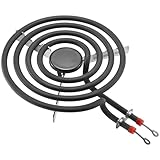
Overview: The AMI PARTS MP15YA is a budget-friendly replacement coil element designed for Whirlpool electric ranges. This 6-inch, 1500-watt burner features a four-turn coil design and Y-style bracket, making it compatible with numerous range models. It’s specifically engineered as a direct replacement for part numbers including 316439801, 77001106, and AP4502986. This component addresses one of the most common failure points in electric ranges—burnt-out burner elements—offering homeowners an affordable DIY solution that eliminates costly service calls.
What Makes It Stand Out: This replacement part’s primary advantage is its universal Y-style bracket design that fits most range configurations. The four-turn coil provides even heat distribution across the 6-inch surface, while the 1500-watt output delivers sufficient power for everyday cooking tasks. Its plug-and-play installation requires no special tools or technical expertise, making it accessible to even novice DIYers.
Value for Money: At just $9.41, this element costs less than a typical service call fee and a fraction of a new range’s price. Considering OEM parts often retail for $30-50, the savings are substantial. For a rental property or budget-conscious household, it extends appliance life economically.
Strengths and Weaknesses: Pros include ultra-low cost, straightforward installation, exact OEM specifications, and immediate availability. Cons involve compatibility uncertainty (must verify model numbers), shorter lifespan than original parts, and lack of warranty information. It’s a functional component, not an upgrade.
Bottom Line: Perfect for handy homeowners needing a quick, cheap fix for a non-heating burner. Verify compatibility first, but this part delivers essential functionality without breaking the bank.
7. Toastmaster Double Coil Burner - Dual Countertop Burners with Drip Shield for Versatile Cooking - With Variable Heat Control, Power Light & Non-Skid Feet
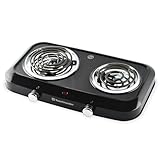
Overview: The Toastmaster Double Coil Burner offers portable cooking flexibility with two independent heating elements. The unit combines a 1300-watt large burner (5.75-inch coil) with a 500-watt small burner (5-inch coil), providing versatile heat options for various cooking tasks. Designed for countertop use, it features variable heat control knobs, safety indicator lights, and non-skid feet for stable operation. The 1800-watt total power draw works with standard 120-volt household outlets, making it suitable for supplemental cooking anywhere.
What Makes It Stand Out: The hinged coil design and integrated drip shields set this unit apart from basic hot plates. These features allow for easy cleaning by lifting coils and catching spills before they burn onto the surface. Dual indicator lights provide clear visual confirmation when burners are active, while the non-skid feet prevent dangerous sliding during use. The variable heat control offers more precision than simple on/off settings.
Value for Money: Priced at $49.99, this dual-burner unit sits in the mid-range for portable cooktops. It offers better safety and cleaning features than budget $30 single-burner models, while undercutting premium induction units costing $100+. For occasional use or small spaces, it delivers solid functionality without premium pricing.
Strengths and Weaknesses: Strengths include dual-burner versatility, safety features, easy-clean design, and stable construction. Weaknesses involve the small burner’s low 500-watt output (slow heating), lack of precise temperature control, and countertop space requirements. Coil elements are slower and less efficient than induction.
Bottom Line: An excellent choice for renters, dorm residents, or anyone needing extra burners for holiday cooking. The safety features and easy cleaning justify the moderate price point.
8. Summit Appliance WEM230KW 30" Wide Electric Coil Top Range, White; Upfront Controls; 4 Coil Elements; Push-to-turn Knobs; Indicator Lights; 3.7 cu.ft Oven; Digital Clock and Timer; Cord Not Included

Overview: The Summit Appliance WEM230KW is a full-size 30-inch electric range designed for traditional cooking preferences. This white, coil-top range features four elements—three standard 6-inch burners and one large 8-inch element—providing comprehensive stovetop cooking capability. The 3.7 cubic foot oven includes a digital clock and timer, while upfront controls eliminate reaching over hot surfaces. Constructed with porcelain and steel, it offers classic durability in a 24-inch depth configuration that fits most kitchen cutouts.
What Makes It Stand Out: The push-to-turn knob safety feature prevents accidental activation, particularly valuable in households with children. Upfront control placement is a thoughtful ergonomic design that reduces burn risks. The bottom drop-down compartment provides convenient storage for baking sheets and pans. This range prioritizes safety and traditional functionality over digital complexity.
Value for Money: At $995.52, this represents a budget-friendly option in the full-size range market, where prices typically start at $800 and exceed $2000 for premium models. While lacking convection or glass-top features, it delivers essential cooking functions reliably. The omission of a power cord (sold separately) adds hidden cost but allows for custom installation.
Strengths and Weaknesses: Pros include safety-focused design, straightforward operation, durable construction, and compact 24-inch depth. Cons involve basic coil technology (slower, harder to clean), no included cord, limited oven features, and outdated aesthetic. Energy efficiency lags behind induction or radiant models.
Bottom Line: Ideal for landlords, budget renovations, or those preferring simple coil cooking. It delivers reliable performance without frills, though buyers should factor in cord cost and appreciate its no-nonsense approach.
9. MegaChef Portable Dual Electric Countertop Burner Coil Cooktop Tabletop Stove
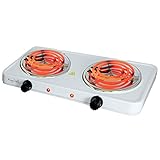
Overview: The MegaChef Portable Dual Electric Burner offers ultra-compact cooking for space-constrained environments. Measuring just 18 inches by 9.5 inches with a 2-inch height, this lightweight unit features two 5.5-inch coil burners with independent heat controls. Designed for portability, it enables cooking anywhere with a standard electrical outlet, making it perfect for travel, camping, dorm rooms, or small apartments. The simple plug-and-play operation requires no installation or complex setup.
What Makes It Stand Out: Extreme portability defines this unit. At under $30, it provides dual-burner capability that rivals single-burner competitors. Individual heat settings allow simultaneous cooking at different temperatures, while rapid cool-down prevents storage delays. The minimalist design focuses on essential functionality without unnecessary complexity, making it accessible to all skill levels.
Value for Money: At $27.99, this is one of the most affordable dual-burner options available. Single-burner units often cost $20-25, making the second burner a marginal upgrade. For occasional use or emergency backup, its value is exceptional. However, durability concerns make it less suitable for daily heavy use, where investing $50-100 in a more robust unit would be wiser.
Strengths and Weaknesses: Strengths include unbeatable portability, dual-burner versatility, ultra-low price, and simple operation. Weaknesses involve low power output (unspecified but likely modest), basic temperature control, questionable long-term durability, and lack of safety features like indicator lights. Coil elements are slow and inefficient.
Bottom Line: A fantastic budget option for occasional cooking, travel, or tight spaces. Don’t expect commercial durability, but for light-duty use, it delivers surprising convenience at an entry-level price that’s hard to beat.
10. AMZCHEF Portable Induction Cooktop 20 Temperature & Power Levels, 1800W Induction Stove Burner with 6.8" Heating Coil, Low Noise Hot Plate Single Electric Cooktops Countertop Stove with Timer

Overview: The AMZCHEF Portable Induction Cooktop brings modern precision cooking to countertop convenience. This 1800-watt unit features 20 adjustable power levels (90W-1800W) and 20 temperature settings (120°F-465°F), offering unprecedented control for a portable appliance. The 6.8-inch heating coil efficiently heats magnetic cookware through electromagnetic induction, while the sleek black ceramic glass surface provides durability and easy cleaning. Safety features include a child lock, waste heat reminder, and timer function.
What Makes It Stand Out: Advanced induction technology delivers rapid, energy-efficient heating with exact precision. The smart touchscreen interface includes four preset cooking functions (boil water, hot pot, stew, heat preservation) that automate common tasks. Safety innovations like the waste heat reminder and child lock exceed typical hot plate standards. At just 5.5 pounds and 1.8 inches thick, it combines power with true portability.
Value for Money: At $59.99, this induction cooktop undercuts many competitors while offering superior features. Comparable induction units with 15+ power levels typically cost $80-120. The energy efficiency translates to long-term utility savings, while the precise control reduces cooking errors and food waste. However, the requirement for magnetic cookware adds potential hidden costs.
Strengths and Weaknesses: Pros include exceptional precision, rapid heating, energy efficiency, comprehensive safety features, and easy cleaning. Cons involve cookware compatibility issues, learning curve for induction cooking, potential operational noise from cooling fans, and reliance on electronics that may limit lifespan.
Bottom Line: An outstanding choice for tech-savvy cooks, small households, or anyone wanting professional-level control. The feature set rivals built-in induction cooktops at a fraction of the price, making it a smart investment despite the cookware requirement.
Why Electric Coil Cooktops Remain a Smart Choice for Rentals in 2026
The narrative around “premium” appliances in rentals often misses the mark on what truly matters: reliability and repair costs. While induction and smooth-top ranges dominate residential sales, electric coil units offer distinct advantages for investment properties. They’re less susceptible to catastrophic damage from dropped cookware, resist scratching from abrasive cleaning, and feature replaceable components that don’t require specialized technicians. In 2026, with supply chain stabilization and improved manufacturing standards, coil cooktops deliver performance that rivals pricier alternatives while maintaining a repair-friendly design that protects your bottom line.
Understanding Electric Coil Technology: What Property Managers Need to Know
The Basic Mechanics of Coil Burners
Electric coil cooktops operate through resistance heating: electricity flows through a metal coil, generating heat through electrical resistance. The coil sits in a recessed drip pan, transferring heat directly to cookware via contact and radiant energy. Modern 2026 models utilize improved alloy compositions that heat more evenly and cycle power more efficiently than predecessors. Understanding this simplicity is key—fewer electronic components mean fewer failure points compared to induction or radiant smooth-top models.
How Coil Cooktops Differ from Other Electric Options
Unlike radiant smooth-tops that heat through a glass-ceramic surface, or induction that uses electromagnetic fields, coil burners provide direct, visible heat. This transparency benefits tenants who prefer traditional cooking feedback and landlords who need straightforward diagnostics. The physical separation between heating element and control wiring also means spills are less likely to damage critical electrical components—a frequent issue with sealed-burner designs.
Key Advantages for Rental Properties
Durability and Long-Term Cost Efficiency
Coil cooktops excel in high-turnover environments because individual components are modular and inexpensive. A damaged burner element costs a fraction of a replacement glass cooktop. The metal surface withstands cast iron, ceramic, and warped-bottom pans that would destroy a smooth-top surface. For properties with 12-24 month lease cycles, this durability translates to significantly reduced capital expenditure over a 10-year appliance lifecycle.
Tenant-Friendly Simplicity
Most tenants understand coil cooktops intuitively—no learning curve about compatible cookware or touch-control sensitivity. This reduces service calls from user error and minimizes tenant frustration. For demographics including older adults, recent immigrants, or budget-conscious renters, familiar technology increases satisfaction and decreases complaints about “complicated” appliances.
Safety Considerations for Multi-Family Units
Modern coil cooktops include enhanced safety features that address the primary concern of unattended cooking. Visible burner glow provides clear “on” indicators, while updated 2026 models incorporate automatic shutoff sensors that activate after extended periods without temperature adjustment. These features reduce fire risks in multi-unit buildings where a single incident can affect multiple rental incomes.
Essential Features to Prioritize in 2026 Models
Wattage and Heating Performance Standards
Look for burners offering a range from 1,200W (simmer) to 2,600W (high-heat). Dual-size elements that accommodate 6" and 8" cookware provide flexibility without requiring additional burners. In 2026, premium coil models feature improved temperature sensors that maintain more consistent heat levels, reducing tenant complaints about uneven cooking and boil-overs caused by temperature spikes.
Burner Configuration and Flexibility
Standard 30" cooktops typically feature two 6" and two 8" burners. However, 2026 trends show expanded options including bridge elements that connect two burners for griddles, and dedicated “keep warm” zones. For rental properties, prioritize configurations that maximize versatility without adding complexity—avoid specialized burners that require tenant education.
Control Knob vs. Digital Controls: Making the Right Choice
While digital touch controls offer a modern aesthetic, physical knobs remain superior for rentals. They’re less expensive to replace, function during power fluctuations, and provide tactile feedback tenants prefer. If opting for digital, ensure models include lockout features and use sealed membrane controls that resist moisture intrusion from cleaning.
Surface Material and Scratch Resistance
The cooktop surface surrounding coils typically features porcelain enamel or stainless steel. Porcelain offers better stain resistance and costs less but can chip if struck by heavy cookware. Stainless steel provides superior impact resistance but shows scratches more readily. For 2026, textured stainless finishes hide wear better than polished versions, making them ideal for high-traffic rentals.
Sizing and Installation Considerations
Standard Dimensions and Cutout Requirements
Most rental properties use 30" or 36" cooktops. The 30" width fits standard cabinet openings (29-3/4" cutout width), while 36" units require 35-1/2" openings. Always verify cutout depth—2026 models trend slightly shallower (20-1/2" vs. older 22" standards) to accommodate modern countertop depths. Keep installation manuals specifying exact cutout dimensions for each unit to streamline future replacements.
Power Supply and Electrical Requirements
Electric coil cooktops require 240V power, typically on a 40-50 amp dedicated circuit. When retrofitting older properties, verify existing wiring gauge—aluminum wiring from the 1970s may need upgrading to meet current code. For new installations, specify 4-wire configurations (hot-hot-neutral-ground) to comply with 2026 NEC requirements, even if local code still permits 3-wire setups.
ADA Compliance and Accessibility Features
Properties subject to fair housing requirements must consider ADA compliance. Front-mounted controls (not side-mounted) and clear floor space of 30" x 48" beneath the cooktop are essential. Some 2026 models include tactile indicators on knobs and audible feedback for visually impaired tenants—a forward-thinking feature that broadens your tenant pool.
Budget Planning: Total Cost of Ownership
Initial Purchase Price Ranges
In 2026, quality electric coil cooktops for rentals range from $280 to $650. Budget-tier models ($280-$380) offer basic functionality with 1-year warranties. Mid-range ($380-$500) includes better drip pans, improved coil alloys, and 2-3 year warranties. Premium ($500-$650) adds features like bridge elements, enhanced safety sensors, and 5-year component warranties. Avoid sub-$250 options—their coil quality and control durability create higher long-term costs.
Installation Costs and Considerations
Professional installation typically runs $150-$300, including electrical connection and verification. Factor in potential countertop modifications ($100-$400) if replacing a different cooktop type. For multi-unit properties, negotiate bulk installation rates with contractors—many offer 15-20% discounts for 5+ units installed simultaneously.
Maintenance and Repair Budgeting
Allocate $30-$50 annually per unit for maintenance. Replacement burner elements cost $15-$40 each and take minutes to swap. Drip pans run $8-$20 per set. Control replacements cost $60-$120 for knobs/switches or $150-$250 for digital panels. Budgeting for one full burner set replacement every 5 years ensures you’re never caught off-guard.
Energy Efficiency and Utility Impact
While less efficient than induction, modern coil cooktops have improved significantly. Look for models with Energy Guide labels showing annual operating costs of $45-$65. In utilities-included rentals, this directly impacts your expenses. For tenant-paid utilities, efficiency becomes a marketing point—advertise “updated, energy-conscious appliances” to attract eco-minded renters.
Durability Factors That Matter Most
Coil Element Quality Indicators
High-quality coils use nickel-chrome alloy with visible support brackets that prevent sagging. Test coil stability by gently pressing—it should spring back firmly without wobbling. 2026 manufacturing improvements include welded (not crimped) terminal connections that resist loosening from vibration and thermal cycling. These details separate 10-year units from 3-year throwaways.
Porcelain vs. Stainless Steel Drip Pans
Porcelain drip pans cost less and clean easily but crack under thermal shock if cold water hits a hot pan. Stainless steel pans withstand abuse better but develop discoloration that tenants may complain about. For rentals, invest in heavy-gauge porcelain (0.8mm minimum thickness) and keep spare sets on hand—replacing a $12 drip pan resolves complaints faster than explaining patina.
Frame and Trim Construction
The metal frame supporting the cooktop should feel rigid—flex indicates thin gauge steel that will warp over time. Look for models with reinforced corners and mounting brackets that distribute weight evenly. In 2026, powder-coated frames outperform painted finishes in scratch resistance, maintaining appearance through multiple tenant turnovers.
Safety Features Modern Landlords Can’t Ignore
Overheat Protection Systems
2026 models must include thermal limiters that cut power if a burner exceeds safe temperatures—typically 600-700°F. This prevents coil meltdown and fire hazards from forgotten pots. Verify the feature is automatic and resets without technician intervention. Some models include “safety shutdown” indicators that alert tenants to the activation, reducing repeat incidents.
Indicator Light Standards
Every burner should have a corresponding “hot surface” indicator that remains lit until the coil cools below 150°F. This simple feature significantly reduces burn injuries and liability. For digital models, ensure indicators are bright enough to see in daylight but include dimming features for nighttime visibility complaints.
Child Safety Lock Mechanisms
Even in adult-only rentals, lockout features prevent accidental activation during cleaning. Look for control locks that require a 3-second button press to activate/deactivate—simple enough for adults but effective against unintended operation. This feature increasingly appears in mid-range models, not just premium units.
Maintenance and Cleaning: Keeping Costs Down
Daily Upkeep Best Practices
Provide tenants with a simple care sheet: wipe spills after cooling, avoid aluminum foil on drip pans (causes shorts), and lift (not slide) cookware. These three rules prevent 80% of common damage. Include this in lease packets and post inside cabinet doors for visibility.
Deep Cleaning Protocols
Between tenants, remove coils and drip pans for thorough cleaning. Soak drip pans in a 1:1 vinegar-water solution to dissolve grease without harsh chemicals that damage porcelain. Use a plastic scraper on coil terminals to remove carbon buildup—never steel wool, which leaves conductive particles. This 30-minute process extends element life by years.
Common Tenant Damage Prevention
The leading cause of coil failure is “canning” damage—tenants using oversized pots that reflect heat back onto the element. Include language in your lease prohibiting pots larger than burner diameter by more than 1 inch. Also, specify that damaged coils from misuse incur replacement fees—this modest deterrent reduces negligent behavior.
Warranty and Support Considerations
Manufacturer Warranty Trends in 2026
Standard warranties now run 1-3 years, with premium brands offering 5-year coverage on coil elements and drip pans. Read fine print carefully—many exclude “commercial use,” which some manufacturers interpret as rental properties. Seek brands explicitly stating coverage for “multi-family residential” or “investment property” use.
Extended Warranty Value for Rentals
Third-party extended warranties typically cost 15-20% of purchase price for 5-year coverage. For rentals, these rarely pay off—replacement parts are inexpensive, and deductibles often exceed part costs. Instead, self-insure by setting aside $50/unit annually for repairs. This fund covers multiple repairs across your portfolio rather than betting on single-unit failures.
Service Network Availability
Choose manufacturers with authorized service centers within 50 miles of your properties. While coil cooktops are repair-friendly, some issues require certified technicians to maintain warranty coverage. Verify parts availability for at least 10 years post-purchase—established brands typically support appliances for 15+ years, while newer brands may discontinue parts after 5-7 years.
Energy Efficiency and Utility Cost Management
Understanding Energy Star Ratings for Coil Cooktops
As of 2026, Energy Star certification for coil cooktops requires standby power under 1 watt and 15% improved efficiency over baseline models. While fewer coil models achieve this compared to induction, certified units exist in the $450+ range. The rating matters most in utilities-included properties, where a $15/year savings per unit compounds across your portfolio.
Impact on Tenant Utility Bills
In tenant-paid utility scenarios, efficiency becomes a marketing tool. Advertise “updated appliances with modern efficiency features” and provide the Energy Guide label in unit listings. Many tenants don’t realize coil technology has improved—educating them positions your property as thoughtfully upgraded, not cheaply outfitted.
Smart Energy Monitoring Features
Emerging in 2026, some coil cooktops include basic energy monitoring that displays estimated cost per use. While not essential, this feature appeals to cost-conscious renters and provides data for dispute resolution if utility bills spike. The feature adds approximately $40-$60 to unit cost but differentiates your property in competitive markets.
Aesthetic Considerations That Appeal to Tenants
Color Options and Finish Durability
Black remains the most practical color for rentals—hiding stains and scratches better than white or stainless. Textured finishes outperform glossy ones in scratch concealment. Some 2026 models offer “fingerprint-resistant” matte black that maintains appearance between professional cleanings, reducing turnover prep time.
Control Panel Design Trends
While knobs remain most reliable, their design matters. Metal-finish knobs resist cracking better than plastic and appear more upscale. Avoid knobs with painted markings—engraved or molded indicators won’t wear off. For digital panels, choose models with recessed displays that resist impact from falling objects.
Integration with Modern Kitchen Aesthetics
Even budget coil cooktops now feature slim profiles (under 3" height) and minimal bezel designs that integrate with contemporary countertops. This matters during unit showings—a dated-looking cooktop can undermine an otherwise renovated kitchen. Specify “low-profile” models to maintain property value perception.
Code Compliance and Legal Requirements
National Electrical Code Updates for 2026
The 2026 NEC requires GFCI protection for all kitchen countertop appliance circuits, including cooktop branch circuits in new installations. For replacements in existing properties, AFCI/GFCI combination breakers are strongly recommended even if not mandated. This prevents nuisance tripping while meeting evolving safety standards. Always verify local amendments—the NEC is a minimum standard.
Local Jurisdiction Variations
Some municipalities require seismic restraints for cooktops in multi-story buildings. Others mandate specific clearances above cooktops (typically 30" minimum to combustible surfaces). Contact your local building department before purchasing to confirm requirements—non-compliance can delay rental certification and incur fines.
Documentation and Certification Needs
Maintain a file for each unit including installation manual, warranty registration, and electrical inspection certificate. In liability situations, documentation proves you provided code-compliant equipment. For properties with 10+ units, consider third-party appliance certification services that verify installation and provide compliance documentation—typically $75-$100 per unit.
Installation Best Practices for Property Managers
Professional vs. DIY Installation
While handy landlords can install coil cooktops, professional installation includes electrical testing and code verification that protects you legally. For multi-unit properties, the liability risk of improper installation far exceeds the $200 installation savings. Require installers to provide a certificate of compliance with local codes.
Pre-Installation Inspection Checklist
Before installation, verify: (1) cutout dimensions match specifications ±1/8", (2) electrical supply matches nameplate requirements exactly, (3) countertop can support 50+ lbs, (4) ventilation space exists per manufacturer specs (typically 2" clearance below). This 10-minute check prevents mid-installation surprises that cost time and money.
Tenant Communication During Installation
Provide 48-hour notice for installation in occupied units. Include clear instructions: “Please clear countertop and remove items from drawers directly below cooktop.” Offer a $25 rent credit for cooperation—this small incentive ensures access and prevents tenant claims of damaged belongings, which can exceed appliance costs.
Troubleshooting Common Issues
Burner Heating Problems
If a burner doesn’t heat, first check if it’s fully seated in the receptacle—tenants often replace coils improperly after cleaning. Test the burner in another receptacle to isolate coil vs. control issues. If all burners fail, check the circuit breaker and terminal block connections. These steps resolve 90% of service calls without a technician.
Electrical Connection Issues
Intermittent heating often indicates loose terminal block connections. Turn off power, remove the cooktop, and tighten all connections to 20-25 inch-pounds torque. Check for aluminum wiring—if present, use antioxidant paste and proper connectors. Document any aluminum wiring for future electricians, as it requires special handling.
Control Malfunctions
For knob controls, failure to regulate temperature usually indicates a faulty infinite switch. These cost $25-$45 and replace with basic tools. For digital controls, error codes typically indicate sensor failures—note the code and cycle power. If the error persists, the control board may need replacement ($120-$200). Keep a few spare switches in your maintenance inventory to reduce downtime.
Frequently Asked Questions
1. How long should a quality electric coil cooktop last in a rental property?
With proper maintenance and typical tenant use, expect 10-15 years of service. High-turnover properties may see reduced lifespan due to increased wear, but modular design allows replacing individual components rather than the entire unit. Budget for burner element replacement every 5-7 years and drip pans every 2-3 years to maximize longevity.
2. Are coil cooktops safe for tenants with children?
Modern coil cooktops include multiple safety features: hot surface indicators that remain lit until cool, overheat protection that automatically shuts off burners, and control locks on digital models. The visible burner glow also provides clear visual warnings. However, they lack the cool-to-touch benefit of induction, so consider your tenant demographics and property type when making safety decisions.
3. What’s the typical energy cost difference between coil and induction cooktops?
Induction cooktops use 15-20% less energy than coil models, translating to roughly $10-$15 annual savings per unit based on average cooking habits. However, induction requires compatible cookware and costs 2-3x more upfront. For rentals, the total cost of ownership typically favors coil when factoring in purchase price, repair costs, and tenant education requirements.
4. How do I handle tenant damage to coil cooktops?
Document condition with photos during move-in inspections. Your lease should specify that damage beyond normal wear—such as crushed coils, melted drip pans, or cracked controls—results in repair deductions from security deposits. Provide a care sheet at lease signing to set expectations. For minor issues like stained drip pans, consider it turnover maintenance rather than tenant damage to maintain positive relations.
5. Can I install a coil cooktop on a countertop that previously had a gas range?
Yes, but several modifications are necessary. You’ll need a 240V electrical circuit installed by a licensed electrician, typically costing $300-$800 depending on panel proximity. The countertop cutout will likely need resizing, and you must ensure adequate ventilation space below. Check local codes, as some jurisdictions require permits when converting fuel types.
6. What maintenance should I perform between tenants?
Remove all coils and drip pans for deep cleaning. Inspect receptacles for corrosion or looseness. Test each burner’s temperature control across all settings. Check that indicator lights function properly. Clean ventilation openings and verify mounting bracket integrity. This 45-minute inspection identifies issues before new tenants move in, reducing emergency maintenance calls.
7. Are smart features worth the extra cost for rental properties?
Generally, no. Features like Wi-Fi connectivity and app controls add cost and complexity without providing landlord benefits. The exception is basic energy monitoring, which can help resolve utility disputes. Focus your budget on durability and safety features rather than technology that may become obsolete or confuse tenants.
8. How do I choose between 30" and 36" widths for my units?
Base this on cabinet configuration and target market. 30" fits standard rental kitchens and appeals to cost-conscious tenants. 36" provides a premium feel and extra cooking space that justifies higher rent in competitive markets. Measure your existing cutouts before deciding—modifying cabinetry for size changes adds $200-$500 per unit.
9. What should I look for in a warranty for rental use?
Seek warranties explicitly covering “multi-family residential” or “investment property” use. Verify parts availability for at least 10 years. Avoid warranties with “commercial use” exclusions, as some manufacturers classify rentals as commercial. A 3-year warranty on controls and 5-year on elements represents good value in the 2026 market.
10. How can I make coil cooktops feel modern to prospective tenants?
Emphasize reliability and cooking performance in listings—“professional-grade coil cooktop” sounds more appealing than basic descriptions. During showings, ensure the unit is immaculate with new drip pans. Mention recent upgrades like “2026 model with enhanced safety features.” Frame the coil design as a purposeful choice for serious cooks who value durability over trendy but fragile alternatives.