The holiday season transforms your kitchen into the heart of the home, where culinary traditions come alive and every dish tells a story. As we look toward 2026, the evolution of double electric wall ovens promises to revolutionize how we approach these cherished cooking marathons. No more strategic timing puzzles or temperature compromises—modern dual-oven configurations are engineered to handle the synchronized chaos of roasting, baking, and warming that defines holiday feasting.
Whether you’re orchestrating a multi-course Thanksgiving dinner, baking hundreds of holiday cookies, or preparing simultaneous dishes for a New Year’s celebration, understanding what separates exceptional double ovens from mediocre ones will shape your kitchen’s capabilities for years. This comprehensive guide dives deep into the features, technologies, and considerations that matter most for holiday cooking, helping you navigate the 2026 market with confidence.
Top 10 Double Electric Wall Ovens
Detailed Product Reviews
1. Forno Vomero 30-Inch Double Wall Oven – 10 Cu. Ft. Capacity, Stainless Steel, 7100W Convection, Mechanical Controls, Self-Cleaning Function
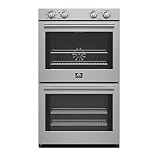
Overview: The Forno Vomero delivers substantial cooking capacity at an accessible price point, offering two 5 cubic foot ovens with a combined 7,100W power output. This built-in unit targets traditional cooks who prioritize space and simplicity over digital sophistication, featuring straightforward mechanical knob controls and a classic stainless steel design.
What Makes It Stand Out: Its 10 cubic feet total capacity separates it from similarly priced competitors, making it ideal for large families and entertainers. The upper oven’s six cooking modes—including convection bake, broil, and roast—provide versatility while the lower oven handles traditional baking needs. The enamel-coated interior with hidden heating elements simplifies maintenance, and four halogen lights offer excellent visibility without heat loss.
Value for Money: At $1,541, this oven undercuts many rivals while delivering more interior space. You’re trading smart features and digital displays for raw capacity and proven mechanical reliability. For cooks who don’t need Wi-Fi or touchscreens, this represents exceptional value—comparable units from premium brands cost 30-50% more with less space.
Strengths and Weaknesses:
- Strengths: Massive 10 cu.ft. capacity; simple, durable mechanical controls; effective upper oven convection; self-cleaning function; excellent visibility with halogen lighting; competitive pricing
- Weaknesses: Lower oven lacks convection; no digital controls or timers; basic feature set; mechanical knobs may feel dated to some users; limited cooking modes in lower oven
Bottom Line: The Forno Vomero excels for budget-conscious buyers needing maximum capacity without tech frills. Its straightforward operation and spacious interior make it perfect for traditional cooks who value reliability and space over smart features.
2. COSMO COS-30EDWC 30 in. Haven Collection Double Electric Wall Oven, True Convection, Blue Porcelain, Self Cleaning in Stainless Steel
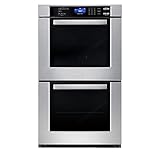
Overview: The COSMO COS-30EDWC from the Haven Collection positions itself as a safety-conscious mid-range double oven, combining European convection technology with robust protection features. With two 5 cubic foot ovens totaling 10 cubic feet capacity, it offers modern cooking performance wrapped in a stainless steel package designed for family kitchens.
What Makes It Stand Out: Turbo True European Convection in the upper oven distinguishes this model, using a third heating element around the fan for superior heat distribution across seven functions including proof and warm settings. The Haven Collection’s signature safety package features an oven cavity cooling ventilation system, overheating protection, and a cool-touch handle—critical considerations for households with children. The hidden bake element ensures even heating while enabling effortless cleaning.
Value for Money: Priced at $1,820, this oven sits in the competitive mid-tier segment. You’re paying a premium over budget models for genuine European convection and comprehensive safety engineering, but still saving considerably compared to smart-enabled alternatives. The one-year USA-based warranty adds confidence for reliability-focused buyers.
Strengths and Weaknesses:
- Strengths: True European convection cooking; exceptional safety features; seven versatile cooking functions; effective self-cleaning; hidden bake element; USA customer support
- Weaknesses: Only upper oven has convection; no digital controls or smart features; limited brand recognition; mechanical interface feels dated; installation requires hardwiring
Bottom Line: Ideal for families prioritizing safety and even cooking performance, the COSMO Haven Collection delivers professional-grade convection and thoughtful protection features. It’s a smart investment for those who value reliability and child-safe design over connectivity.
3. Rangaire RWOD301GS 30" Glass Touch Double Wall Oven - Stainless Steel, Electric Oven, True Convection, Self Cleaning, Easy Reach Racks

Overview: The Rangaire RWOD301GS bridges the gap between affordability and modern functionality, offering glass touch controls and an AirFry mode at a mid-range price point. This 30-inch double oven features TrueAire convection technology and a digital meat probe, targeting tech-savvy home chefs who want versatility without premium brand pricing.
What Makes It Stand Out: Multiple cooking modes including AirFry and Keep Warm set this apart from traditional double ovens, eliminating the need for a separate countertop air fryer. The TempSure Digital Meat Probe ensures precision cooking by monitoring internal temperatures automatically—perfect for achieving restaurant-quality roasts. Glass touch controls provide a sleek, responsive interface that wipes clean easily, while the hidden bake element simplifies maintenance and improves heat distribution.
Value for Money: At $1,699, the Rangaire delivers features typically found in ovens costing $2,000 or more. The combination of AirFry capability, digital controls, and a meat probe represents exceptional value, though the lesser-known brand name may give some buyers pause compared to established competitors.
Strengths and Weaknesses:
- Strengths: Innovative AirFry mode; intuitive glass touch controls; precision digital meat probe; TrueAire convection cooking; hidden bake element; self-cleaning function
- Weaknesses: Limited brand recognition; unclear if both ovens have convection; fewer cooking modes than some competitors; no smart connectivity; installation complexity
Bottom Line: The Rangaire RWOD301GS is a feature-packed value champion for modern cooks wanting AirFry convenience and digital precision. It’s an excellent choice for those prioritizing functionality over brand prestige.
4. SAMSUNG 30" Smart Double Wall Oven w/Steam Cook, Wi-Fi, Large Oven Capacity, NV51K6650DG/AA, Fingerprint Resistant Stainless Steel, Black

Overview: Samsung’s NV51K6650DG/AA represents the smart kitchen revolution in double oven form, integrating Wi-Fi connectivity and Steam Cook technology into a fingerprint-resistant package. This 30-inch oven targets connected homeowners who want to monitor dinner from their smartphone while achieving professional results.
What Makes It Stand Out: Dual convection fans in the upper oven ensure faster, more even cooking than single-fan systems, while the innovative Steam Cook feature injects precise moisture for crispy exteriors and tender interiors—perfect for artisan breads and juicy roasts. Wi-Fi connectivity through the SmartThings app enables remote temperature adjustment and monitoring, plus voice control via Bixby, Alexa, or Google Assistant. The fingerprint-resistant stainless steel maintains a pristine appearance in busy households.
Value for Money: While pricing isn’t specified, Samsung’s smart ovens typically command premium positioning around $2,500-$3,000. The investment delivers unique capabilities—remote management and steam injection—that justify the cost for tech enthusiasts, though traditional cooks may find these features unnecessary.
Strengths and Weaknesses:
- Strengths: Dual convection for superior airflow; Steam Cook for professional results; comprehensive smart connectivity; voice control compatibility; fingerprint-resistant finish; large capacity
- Weaknesses: Premium pricing; complexity may overwhelm some users; requires robust Wi-Fi; app setup can be finicky; limited physical controls
Bottom Line: For tech-savvy cooks wanting cutting-edge convenience and steam cooking capabilities, this Samsung delivers unmatched connectivity. It’s the ultimate choice for integrating your oven into a smart home ecosystem.
5. FORNO Gallico 30-Inch Electric French Door Double Oven - 240V 7000W 7.36 cu. ft. Electric Oven with LED Display Screen - Wall Oven with 4 Stainless Steel Racks, Safety Lock, Mechanical Knobs Control

Overview: The FORNO Gallico commands attention with its distinctive French door design and sous vide capability, positioning itself as a luxury double oven for serious culinary enthusiasts. Operating at 240V with 7,000W maximum output, this premium unit combines elegant aesthetics with professional-grade functionality.
What Makes It Stand Out: French doors provide effortless access without reaching over a hot door, a game-changer for ergonomics and safety when handling heavy dishes. The sous vide mode enables precise low-temperature cooking sealed foods for extended periods, delivering restaurant-quality results typically requiring separate equipment. Seven versatile modes including dehydrate and convection roast cover virtually any cooking technique, while the LED display and mechanical knobs blend modern readability with tactile control. A steam clean function and safety lock round out the premium feature set.
Value for Money: At $3,880, this is a significant investment—more than double most competitors. You’re paying for the French door configuration, sous vide capability, and luxury branding. While the 7.36 cubic foot capacity is smaller than budget options, the specialized features and stunning design justify the premium for affluent home chefs.
Strengths and Weaknesses:
- Strengths: Elegant French door design; integrated sous vide mode; powerful 7000W output; versatile cooking functions; steam cleaning; safety lock; premium stainless steel construction
- Weaknesses: Very high price point; smaller capacity than competitors; limited brand recognition; complex features require learning curve; excessive for casual cooks
Bottom Line: The FORNO Gallico is a statement piece for luxury kitchens and serious cooks who will utilize sous vide and appreciate French door convenience. It’s an exceptional choice if budget is secondary to specialized performance and design.
6. GE JTD5000SNSS 30 Inch Electric Double Wall Oven in Stainless Steel

Overview: The GE JTD5000SNSS represents a solid entry in the mid-range double wall oven category, offering the reliability and brand recognition that General Electric has cultivated for decades. This 30-inch electric model provides the convenience of dual oven cavities, allowing home cooks to simultaneously prepare multiple dishes at different temperatures. While specific features aren’t detailed in the listing, the $2,099 price point positions it as a competitive option for homeowners seeking a balance between performance and value.
What Makes It Stand Out: GE’s reputation for dependable appliances shines through in this model’s construction and design. The stainless steel finish delivers a timeless, professional aesthetic that integrates seamlessly into most kitchen decors. At 30 inches wide, it offers generous capacity for family meals and entertaining. The model number suggests it belongs to GE’s premium line, likely including standard conveniences like self-cleaning cycles and multiple rack positions that enhance cooking flexibility.
Value for Money: Priced at $2,099, this oven competes directly with similar offerings from Whirlpool and Frigidaire. While lacking some smart features found in newer models, it provides core double oven functionality without the premium price tag of luxury brands like Wolf or Thermador. For buyers prioritizing durability over cutting-edge technology, this represents a prudent investment.
Strengths and Weaknesses: Strengths include brand reliability, spacious 30-inch design, and professional appearance. The stainless steel construction ensures longevity. Weaknesses involve the lack of specified advanced features like convection cooking or Wi-Fi connectivity, which competitors offer at similar prices. The absence of detailed specifications makes comparison shopping challenging.
Bottom Line: The GE JTD5000SNSS is ideal for traditional cooks wanting proven performance without digital complexity. It delivers essential double oven benefits with GE’s trusted backing, though tech-savvy buyers may want more specified features before committing.
7. 30 in. Smart Double Electric Wall Oven with Self Clean in Stainless Steel

Overview: This smart double electric wall oven delivers modern connectivity and convenience at an accessible price point. The 30-inch configuration provides substantial cooking capacity for busy households, while the self-cleaning function addresses one of the most dreaded kitchen maintenance tasks. Positioned at $1,998.12, it targets value-conscious buyers seeking contemporary features without luxury appliance pricing.
What Makes It Stand Out: The “Smart” designation indicates Wi-Fi connectivity, allowing remote monitoring and control via smartphone apps—a feature typically reserved for higher-priced models. The self-cleaning capability in both cavities represents a significant time-saving benefit. The stainless steel finish ensures durability and a sleek appearance that complements modern kitchen aesthetics. The competitive pricing makes smart oven technology accessible to mid-range budgets.
Value for Money: At under $2,000, this oven undercuts many smart-enabled competitors by $300-500. While the feature description is minimal, the combination of smart technology, self-clean, and double oven configuration at this price represents compelling value. It sacrifices some brand prestige for affordability, making it perfect for first-time homeowners or renovation projects with tight budgets.
Strengths and Weaknesses: Strengths include affordable smart connectivity, self-cleaning functionality, and competitive pricing. The 30-inch size offers generous capacity. Weaknesses stem from the vague branding and unspecified features—convection cooking, precise capacity, and warranty details remain unclear. The generic title suggests it may be a private-label product, potentially impacting long-term support.
Bottom Line: This oven suits tech-curious cooks prioritizing connectivity and value over brand name. While documentation is sparse, the price-to-feature ratio is excellent for those willing to research specifications independently before purchasing.
8. GE JKD5000SNSS 27 Inch Electric Double Wall Oven in Stainless Steel

Overview: The GE JKD5000SNSS caters to space-conscious homeowners who refuse to compromise on quality. This 27-inch double wall oven packs premium features into a compact footprint, measuring 51 1/8" H x 26 3/4" W x 26 5/8" D. The $2,099 price reflects its positioning as a feature-rich alternative to standard models, ideal for kitchen layouts that cannot accommodate a full 30-inch unit.
What Makes It Stand Out: GE’s Fit Guarantee ensures installation compatibility, removing measurement anxiety. True European Convection with a third heating element and fan system delivers superior heat distribution and faster cooking times. The hidden backlit LCD control panel provides a sleek, modern interface that disappears when inactive, maintaining a clean aesthetic. These features typically appear in ovens costing significantly more.
Value for Money: While priced similarly to larger 30-inch models, the JKD5000SNSS justifies its cost through advanced convection technology and installation guarantee. For kitchens requiring a 27-inch unit, options are limited—this oven competes with premium brands like Bosch while offering GE’s service network. The convection system improves energy efficiency, potentially offsetting the initial investment through reduced cooking times.
Strengths and Weaknesses: Strengths include True European Convection, Fit Guarantee, sophisticated controls, and space-efficient design. The hidden LCD is both stylish and functional. Weaknesses involve the smaller capacity compared to 30-inch models and the premium price for its size. Some users may find the 27-inch width restrictive for large sheet pans or turkeys.
Bottom Line: Perfect for compact luxury kitchens, this oven delivers big performance in a smaller package. The convection system and installation guarantee make it worth the premium for space-constrained buyers who prioritize cooking quality over maximum capacity.
9. Forno Asti 30-Inch Double Electric Wall Oven with Upper French Doors in Black & Antique Brass – 7.36 Cu. Ft. Dual True Convection, 7200W, Air Fry, Sous Vide, Self-Cleaning Function

Overview: The Forno Asti redefines luxury double ovens with its distinctive French door design and chef-grade features. This 30-inch model boasts an expansive 7.36 cubic feet capacity across two cavities, making it ideal for serious entertainers and culinary enthusiasts. The striking black and antique brass aesthetic immediately distinguishes it from standard stainless steel appliances, while the $3,581 price tag positions it in the premium category alongside established luxury brands.
What Makes It Stand Out: Upper French doors provide elegant, ergonomic access without reaching over hot glass. Dual True Convection ensures professional-grade heat circulation, while the integrated Air Fry function eliminates countertop clutter. The Sous Vide capability offers restaurant-precision cooking rarely found in wall ovens. At 7200W total power, it delivers rapid preheating and recovery times that serious cooks demand.
Value for Money: While expensive, the Forno Asti undercuts comparable luxury models from Viking or Thermador by $1,000-2,000. The combination of French doors, multiple advanced cooking modes, and distinctive styling justifies the investment for design-conscious foodies. For those who would otherwise purchase separate air fryers and sous vide equipment, this integrated solution offers both cost and space savings.
Strengths and Weaknesses: Strengths include unique French door design, comprehensive cooking modes (Air Fry, Sous Vide, dehydrate), high wattage, and stunning aesthetics. The steam clean function simplifies maintenance. Weaknesses involve the lesser-known brand reputation compared to established luxury names and the niche styling that may not suit all kitchen designs. The price remains prohibitive for budget-conscious buyers.
Bottom Line: This oven targets affluent home chefs wanting professional tools and statement-piece design. If you value innovation, capacity, and distinctive style, the Forno Asti delivers exceptional functionality that justifies its premium price.
10. SAMSUNG 30" Smart Double Wall Oven w/Flex Duo, Steam Cook, Wi-Fi, Large Oven Capacity, NV51K7770DG/AA, Fingerprint Resistant Stainless Steel, Black

Overview: Samsung’s NV51K7770DG/AA represents the cutting edge of smart kitchen technology, integrating innovative Flex Duo functionality with steam cooking capabilities. This 30-inch double wall oven emphasizes versatility and connectivity, targeting tech-savvy home chefs who demand precision and flexibility. The fingerprint-resistant black stainless steel finish maintains a pristine appearance while delivering a modern aesthetic that complements contemporary kitchen designs.
What Makes It Stand Out: Flex Duo technology with Smart Divider transforms single cavities into dual-temperature zones, effectively creating three ovens in one appliance. The Steam Cook feature injects precise moisture for artisan bread and juicy roasts. Wi-Fi connectivity through SmartThings enables remote monitoring and control, while dual convection ensures even heat distribution. The fingerprint-resistant finish solves a common stainless steel complaint.
Value for Money: While pricing isn’t specified, Samsung typically positions these features at $2,500-3,000—significantly less than luxury brands offering similar technology. The Flex Duo system eliminates the need for a separate countertop oven, providing exceptional versatility. For households wanting maximum cooking flexibility without premium brand pricing, this oven delivers outstanding feature density.
Strengths and Weaknesses: Strengths include revolutionary Flex Duo partitioning, effective steam cooking, robust smart home integration, and smudge-resistant finish. The large 5.1 cu. ft. capacity accommodates substantial meals. Weaknesses involve Samsung’s relatively shorter appliance track record compared to legacy brands and the potential complexity for users preferring simpler interfaces. The black stainless finish may clash with traditional kitchen designs.
Bottom Line: Ideal for tech-forward cooks wanting unmatched flexibility, this oven’s Flex Duo system justifies the investment. If you regularly cook multiple dishes requiring different temperatures, Samsung’s innovation provides a practical solution that adapts to your culinary ambitions.
Why Double Electric Wall Ovens Dominate Holiday Kitchens
The strategic advantage of double electric wall ovens lies in their ability to eliminate the single-point bottleneck that plagues traditional range ovens during high-volume cooking periods. While a standard oven forces you into sequential cooking—roast the turkey, then the sides, then the pie—a double configuration lets you run multiple temperature zones simultaneously. This parallel processing capability becomes invaluable when you’re juggling dishes with vastly different requirements: a low-and-slow braised short rib at 275°F in one cavity while a delicate soufflé bakes at 375°F in the other.
Electric heating elements provide distinct benefits over gas for precise holiday baking. The dry, consistent heat distribution eliminates hot spots that can sabotage your grandmother’s dinner roll recipe, while advanced convection systems ensure even browning across multiple racks. For 2026 models, manufacturers have refined thermal management to the point where temperature variance between cavities is virtually nonexistent, meaning your pumpkin pie won’t pick up unwanted aromas from the garlic-herb prime rib cooking below.
Understanding Capacity: Size Matters During the Holidays
Upper vs. Lower Oven Configurations
Most double wall ovens follow a standard stacked design, but the internal capacity distribution varies significantly by model. Some units feature identical 5.0 cubic foot cavities, while others use a larger lower oven (5.7 cubic feet) paired with a more compact upper cavity (4.3 cubic feet). For holiday cooking, symmetry offers flexibility—you can position large items in either oven without spatial constraints. However, asymmetric designs often position the more frequently accessed upper oven at a more ergonomic height, reducing bending when checking on delicate pastries.
Consider your typical holiday menu when evaluating configurations. If you regularly roast large turkeys or multiple sheet pans of vegetables, prioritize lower oven height and depth. The 2026 trend toward “tall-cell” lower ovens accommodates standing rib roasts and vertical poultry roasters without sacrificing rack positions.
Total Capacity Ratings Explained
Manufacturers advertise combined capacities between 8.6 and 12.0 cubic feet, but these numbers don’t tell the complete story. Usable capacity—the space you can actually load with cookware—typically runs 15-20% less due to heating element housings, convection fans, and rack hardware. For 2026, look for models specifying “usable capacity” in their technical specifications, as this reflects real-world holiday cooking scenarios where every inch matters.
The magic number for serious holiday hosts is a combined usable capacity exceeding 9.5 cubic feet. This threshold allows simultaneous cooking of a 24-pound turkey, a full casserole dish, and two pie plates, with room for proper air circulation. Remember that convection cooking requires approximately one inch of clearance on all sides of pans for optimal performance.
Smart Technology Integration for 2026
AI-Powered Cooking Assistants
The 2026 generation of double ovens introduces predictive cooking algorithms that learn your family’s preferences and adjust automatically. These systems analyze probe data, internal humidity, and even the weight distribution on racks to modify cooking times dynamically. Imagine inserting a turkey into the lower oven and having the system recognize its size, suggest the ideal temperature, and automatically switch to warming mode when the breast reaches 157°F—all while sending progress updates to your smartphone.
Voice integration has evolved beyond simple commands. Advanced models now support contextual conversations: “Oven, I’m making a pecan pie and the crust is browning too quickly” triggers an immediate temperature adjustment and convection fan modulation without requiring you to specify exact settings. This hands-free control proves invaluable when your hands are covered in flour or you’re managing multiple timers.
Remote Monitoring and Control
Preheating your ovens while driving home from the grocery store represents just the beginning of remote capabilities. 2026’s standout feature is multi-stage programming via mobile apps, where you can sequence entire cooking workflows. Set the upper oven to preheat to 425°F for 15 minutes (perfect for initial puff pastry rise), then automatically drop to 350°F for the remaining bake time, all while you’re setting the dining room table.
Look for models offering real-time interior cameras with food recognition technology. These systems send visual alerts when dishes reach golden-brown perfection, eliminating the need to open doors and release precious heat. For holiday cooking, this means checking your sweet potato casserole’s marshmallow topping without interrupting the turkey’s roasting environment in the adjacent cavity.
Essential Cooking Modes for Holiday Feasts
True Convection Systems
Not all convection is created equal. True convection (also called European convection) uses a third heating element surrounding the fan, ensuring that circulated air maintains precise temperature. This technology eliminates the temperature drop that occurs when standard convection fans simply recirculate existing oven air. For 2026, premium models feature dual-fan true convection in both cavities, with independently controlled elements that can run at different intensities.
The holiday advantage? You can bake four sheets of cookies simultaneously with perfect uniformity, or roast vegetables on multiple racks without rotating pans. Advanced systems include “variable speed convection” that automatically adjusts fan velocity based on the delicacy of what’s cooking—gentle for custards, powerful for crispy roasted potatoes.
Steam-Assist Technology
Steam-assist represents the most significant leap forward for holiday bread bakers and turkey enthusiasts. By injecting precise amounts of moisture during the initial cooking phase, these ovens create the humid environment essential for artisan-style crust development and juicy poultry skin. The 2026 implementation allows you to program steam duration (typically 5-20 minutes) followed by automatic dry heat completion.
For holiday applications, steam-assist excels at reheating without drying—revive yesterday’s dinner rolls to bakery-fresh status in minutes. Some models now offer “steam refresh” modes specifically designed for leftover turkey, restoring moisture to sliced breast meat while crisping the skin.
Air Fry Capabilities
The integration of high-velocity air frying in double ovens eliminates the need for countertop appliances during holiday prep. Look for models with dedicated air fry modes that reach temperatures up to 450°F with targeted airflow patterns. The key specification is “CFM per cubic foot”—higher values indicate more powerful crisping capability.
Strategically, air fry functionality lets you finish dishes while main ovens are occupied. Crisp the topping on your green bean casserole, or quickly brown sausage for stuffing without firing up a separate appliance. Advanced 2026 models include multi-tier air fry racks that handle appetizers for twenty guests simultaneously.
Precision Temperature Control
Advanced Probe Systems
Single-point probes are obsolete. Modern double ovens feature multi-zone probes that monitor temperature at three points along the probe shaft, detecting gradients from surface to center. This matters tremendously for irregularly shaped roasts and stuffed poultry where traditional probes might register cavity temperature rather than meat temperature.
The 2026 innovation is “predictive probe algorithms” that calculate carryover cooking with remarkable accuracy. These systems remove guesswork from resting periods, alerting you to remove proteins exactly when they’ll reach target temperature during the rest. For holiday prime rib, this means perfect medium-rare edge-to-edge without the overcooked gray band.
Multi-Point Sensors
Beyond probes, internal oven sensors have multiplied. Premium 2026 models deploy 8-12 thermal sensors throughout each cavity, creating a three-dimensional heat map. The control system uses this data to modulate element output in real-time, compensating for cold spots when you open the door or load a cold roasting pan.
This sensor density enables “compensated preheating,” where the oven recognizes you’re placing refrigerated casserole dishes inside and automatically extends preheat time to account for thermal mass. During holiday cooking, this prevents the common problem of oven temperature crashing when loading multiple cold items simultaneously.
Energy Efficiency and Sustainability
2026 Energy Star Standards
New federal regulations taking effect in early 2026 require wall ovens to meet stringent efficiency metrics, with maximum standby power draw of 2.0 watts and improved insulation standards. Models earning the updated Energy Star certification use up to 35% less energy than 2024 equivalents, significant when running dual cavities for eight-hour cooking sessions.
The efficiency gains come from vacuum-insulated panels (VIP) that reduce wall thickness while improving R-values, creating more interior capacity without increasing external dimensions. For holiday cooking, this means faster preheating and less heat leakage into your kitchen—keeping your cooking space comfortable when ovens run all day.
Eco-Friendly Manufacturing
Sustainability extends beyond operation to production. Leading manufacturers now use recycled stainless steel content exceeding 75% and powder-coat finishes that eliminate VOC emissions. Some 2026 models feature modular designs where heating elements and control boards can be individually replaced, extending lifespan beyond the typical 15-year expectancy.
Consider ovens with “eco-holiday” modes that optimize energy use during long cooks by slightly reducing cavity temperature after the initial browning phase and extending cooking time minimally. These modes can save 18-22% energy during a typical Thanksgiving cooking marathon without perceptible quality loss.
Installation Considerations
Electrical Requirements
Double electric wall ovens demand substantial power—most require a dedicated 240-volt circuit rated at 40-50 amps. The 2026 trend toward faster preheating and more powerful convection systems has pushed some premium models to 60-amp requirements. Before purchasing, verify your electrical panel’s capacity and the gauge of existing wiring.
Important nuance: Some “smart” ovens include battery backup systems for the control board and WiFi connectivity, requiring a neutral wire in addition to the two hot wires and ground. Older 3-wire 240-volt circuits may need upgrading to modern 4-wire configurations, adding $300-600 to installation costs.
Ventilation Needs
While electric ovens don’t produce combustion gases, they generate significant heat and moisture that must be managed. Building codes increasingly require mechanical ventilation for wall oven installations, especially in tightly sealed modern homes. Plan for a range hood or downdraft system rated at minimum 300 CFM, positioned to capture moisture escaping when doors open.
2026 models incorporate improved door seals and steam venting systems, but during holiday cooking, you’ll open doors frequently. Consider an external venting solution that activates automatically via smart home integration when oven humidity sensors detect elevated moisture levels.
Cabinetry Modifications
Standard double wall ovens require a 48-50 inch tall cutout, but dimensions vary by manufacturer. The critical measurement is “flush installation depth”—how far the oven protrudes from cabinetry. 2026 designs emphasize minimal protrusion (under 1 inch) for a built-in look, but this requires precise cabinet construction.
Pay attention to “hinge clearance arc” in specifications. Some models need additional side clearance for door swing, which can interfere with adjacent cabinets or appliances. For holiday cooking efficiency, ensure you can open both oven doors to 120 degrees without obstruction, allowing easy access to rear racks when maneuvering heavy roasting pans.
Design Aesthetics and Kitchen Integration
Finish Options for 2026
While stainless steel remains dominant, 2026 introduces fingerprint-resistant black stainless and matte white finishes that resist yellowing from heat exposure. The emerging trend is “interchangeable fascia panels” that let you update your oven’s appearance without replacing the unit—ideal for kitchen refreshes between major appliance cycles.
For cohesive holiday hosting, consider finishes that complement your serveware and dining room visibility. Black stainless reduces visual clutter in open-concept kitchens where guests mingle near the cooking zone. Panel-ready models accept custom cabinetry fronts, completely concealing the ovens for a streamlined look that keeps the focus on your culinary creations.
Handle Styles and Hardware
Pro-style handles with substantial grip depth accommodate oven mitts comfortably—a small detail that matters tremendously when extracting hot, heavy items. The 2026 innovation is “cool-touch handle technology” using internal air channels and heat-dissipating materials, eliminating the need for pot holders when closing doors.
Consider handle projection distance from the oven face. Deeper projections (2.5+ inches) provide better leverage but may interfere with adjacent cabinet pulls. Some models offer reversible handles that can be installed to open left or right, optimizing ergonomics for your kitchen layout and dominant hand.
Control Panel Innovations
Physical knobs are making a comeback after years of touchscreen dominance. The 2026 hybrid approach combines tactile temperature and timer knobs with a central touchscreen for advanced programming. This addresses the primary complaint about all-glass interfaces: difficulty operating with wet or flour-dusted hands during active cooking.
Look for “proximity wake” displays that illuminate when you approach, showing timer status and temperature at a glance without pressing buttons. During holiday cooking, this passive information display keeps you informed while your hands remain focused on food prep. Premium models include customizable home screens where you can pin your most-used holiday recipes with one-tap activation.
Safety Features That Matter
Cool-Touch Doors
Triple-pane glass with reflective coatings keeps exterior door temperatures below 120°F even when interiors reach 500°F. This protects children and pets in busy holiday kitchens while preventing accidental burns when reaching for controls. The 2026 advancement is “active cooling vents” in door frames that expel warm air away from users.
Verify the “door temperature rating at 450°F” in specifications. Quality ovens maintain outer glass below 100°F, while budget models may exceed 150°F—dangerous in high-traffic cooking environments. Some units include door lockout modes that prevent opening above 400°F, useful when young children assist with holiday baking.
Automatic Shutoff Systems
Smart shutoff goes beyond simple timers. Modern systems detect anomalies like extended door-open periods or temperature runaway, automatically powering down elements to prevent fire hazards. The 2026 enhancement is “occupancy-aware shutoff” using infrared sensors to detect if someone remains in the kitchen, adjusting auto-shutoff timing accordingly.
For holiday peace of mind, seek models with “holiday mode” that extends automatic shutoff to 12 hours, accommodating overnight slow roasts and marathon baking sessions without disabling safety features entirely. These systems still monitor for dangerous conditions while respecting your need for extended operation.
Child Lock Mechanisms
Beyond button disabling, advanced child locks now secure oven doors and prevent rack removal. This matters when curious young helpers participate in holiday cookie decorating near hot ovens. The 2026 standard is biometric locks (fingerprint or facial recognition) that automatically engage when unrecognized users approach, seamlessly protecting children without inconveniencing adult cooks.
Some models integrate with smart home systems to send alerts when oven doors open unexpectedly, providing remote monitoring capability if you’re entertaining in another room. This feature proves invaluable during large gatherings where kitchen traffic increases dramatically.
Budget Planning and Value Assessment
Price Tiers Explained
Entry-level double electric wall ovens ($2,500-$3,500) cover basic dual-cavity cooking with standard convection but lack advanced smart features and premium materials. Mid-tier options ($3,500-$5,500) introduce true convection, steam-assist, and basic app connectivity. Premium models ($5,500-$8,500+) deliver AI cooking assistance, advanced sensors, and commercial-grade construction.
The 2026 market adds a new “luxury plus” category ($8,500-$12,000) featuring modular designs, custom finishes, and integrated vacuum sealing drawers for sous vide prep. For holiday cooking, the sweet spot typically lies in the $4,000-$6,000 range, where you gain essential advanced features without paying for professional-grade durability you won’t need.
Long-Term Cost of Ownership
Factor in energy costs: an efficient 2026 model can save $80-120 annually compared to a 2020 unit, based on typical holiday usage patterns. Extended warranties ($200-400) often pay for themselves with a single service call, as control board replacements can exceed $600. Consider models with 5-year parts warranties covering heating elements and electronics.
Replacement parts availability matters for longevity. Choose manufacturers committed to supporting models for at least 10 years post-purchase. The 2026 trend toward modular components reduces repair costs, but only if the manufacturer maintains a robust parts supply chain. Research brand reputation for long-term support before committing.
Maintenance and Cleaning Innovations
Self-Cleaning Technologies
Pyrolytic self-cleaning (high-heat ash reduction) remains the gold standard, but 2026 introduces “steam clean plus” cycles that combine water injection with enzymatic cleaning agents, breaking down grease at lower temperatures (250°F vs. 900°F). This reduces energy use by 70% and eliminates the smoke and odors associated with traditional self-clean cycles.
For holiday cleanup, look for models with “rapid clean” modes designed for spot cleaning between cooking sessions. These 30-minute cycles handle minor spills without requiring a full pyrolytic burn, letting you clean the upper oven while the lower continues cooking. Advanced systems include catalytic back panels that absorb and oxidize grease continuously during normal cooking.
Easy-Remove Racks and Doors
Rack systems that detach without tools simplify deep cleaning, while quick-release doors allow accessing the space between glass panels where grease accumulates. The 2026 innovation is “dishwasher-safe rack finishes” that withstand commercial dishwasher temperatures, letting you run racks through a sanitizing cycle alongside holiday serving pieces.
Some premium models feature “tilt-down” control panels that expose the door’s top edge for cleaning, addressing the grime that collects in this commonly overlooked area. During post-holiday cleanup, this detail saves significant time and frustration.
Warranty and Support Considerations
Standard warranties cover one year parts and labor, but 2026’s competitive market pushes many manufacturers to offer two-year comprehensive coverage. The critical component is heating element warranty—elements fail most frequently and can cost $300-500 to replace. Seek models with 5-10 year element warranties.
Technical support accessibility matters during holiday crises. Brands offering 24/7 phone support with certified technicians (not outsourced call centers) provide peace of mind when your oven malfunctions on Thanksgiving morning. Some now include “holiday emergency service” guarantees with 48-hour technician dispatch during November and December.
Making Your Final Decision
Approach your double oven selection as a decade-long investment in your holiday hosting capabilities. Prioritize features that address your specific cooking style: serious bakers should emphasize precise temperature control and steam-assist, while large-family hosts need maximum capacity and rapid preheat. Don’t overpay for professional features like salamander broiling if your holiday menus rarely require intense top heat.
Test display models in showrooms, paying attention to door action, control responsiveness, and interior lighting quality. Dimly lit cavities make monitoring holiday dishes difficult. The 2026 standard is LED lighting exceeding 1000 lumens with adjustable color temperature—bright white for cleaning, warm tones for ambiance during cooking.
Frequently Asked Questions
What makes double electric wall ovens better than a single oven with a warming drawer for holiday cooking?
Double ovens provide true independent temperature control and full cooking power in both cavities, while warming drawers typically max out at 200-250°F and lack convection. During holidays, you can actively roast a turkey at 350°F in one oven while baking pies at 425°F in the other—something impossible with a warming drawer setup. The capacity difference is also substantial; warming drawers offer 1.5-2.0 cubic feet versus 4.5+ cubic feet in a true second oven.
How much should I budget for installation beyond the oven’s purchase price?
Plan for $800-$1,500 in total installation costs. This includes electrical work ($300-600 if upgrading circuits), cabinetry modifications ($200-400), and professional installation ($300-500). Complex installations requiring structural cabinet reinforcement or long ductwork runs for ventilation can push costs to $2,000+. Always get site-specific quotes before purchasing, as existing infrastructure dramatically impacts final pricing.
Will a double oven significantly increase my holiday electricity bill?
Running two ovens simultaneously uses approximately 7-9 kWh during a typical 4-hour holiday cooking session. At average 2026 electricity rates ($0.14/kWh), that’s $1.00-$1.25 per major holiday meal. However, efficient double ovens often reduce total cooking time by 30-40% compared to sequential single-oven cooking, resulting in comparable or even lower energy use overall. The convenience and time savings far outweigh minimal cost increases.
How do I determine if my kitchen can accommodate a double wall oven?
Measure your existing cutout height, width, and depth, then compare to “minimum installation dimensions” in oven specifications. Critical clearances include 2 inches below for ventilation, 1 inch above for heat dissipation, and adequate side space for door swing. Check that your floor can support 250-350 pounds concentrated in a 30x50 inch footprint. If replacing an existing double oven, verify electrical connection location matches new unit requirements—some 2026 models reposition junction boxes.
What capacity do I need for a typical Thanksgiving dinner?
For gatherings of 8-12 people, aim for a combined usable capacity of 9.0-10.0 cubic feet. This handles a 20-pound turkey, two 9x13-inch casseroles, and a pie simultaneously. For 15+ guests, prioritize models exceeding 10.5 cubic feet combined, focusing on lower oven height for larger birds. Remember that convection cooking requires air space around dishes, so don’t max out every cubic inch—plan for 80% fill capacity during complex holiday meals.
Are smart features worth the extra cost for holiday cooking?
Smart connectivity adds $400-800 to oven price but delivers significant holiday value. Remote preheating saves 20-30 minutes when running late, while interior cameras prevent unnecessary door opening. The real benefit is peace of mind: receiving alerts if you forget to start the rolls while entertaining guests, or adjusting temperatures from the dining room when a dish cooks faster than expected. For tech-comfortable users, these features become indispensable during complex meal coordination.
How reliable are self-cleaning functions during heavy holiday use?
Modern pyrolytic cleaning remains highly effective, but frequency matters. Running self-clean after every holiday event accelerates component wear. Instead, use steam-clean cycles for minor spills and reserve pyrolytic cleaning for 2-3 times annually. The 2026 “smart clean” feature automatically suggests the appropriate cycle based on soil level detected by interior sensors, preventing unnecessary high-heat cycles. Always remove major food debris manually before activating any self-clean mode to prevent smoke and fire risk.
Can I install a double wall oven myself to save money?
DIY installation is strongly discouraged. These appliances require precise electrical connections (240V/50A), structural support verification, and code-compliant ventilation integration. Improper installation voids warranties and creates serious safety hazards. The weight (250+ pounds) also demands specialized lifting equipment and multiple people. Professional installation ensures warranty coverage and typically includes haul-away of your old unit—a significant convenience during busy holiday seasons.
What’s the expected lifespan of a 2026 double electric wall oven?
Quality double ovens should function reliably for 15-20 years with proper maintenance. The 2026 shift toward modular components may extend this further, as individual part replacement becomes more economical. Heating elements typically need replacement every 8-12 years, while control boards last 10-15 years. Models with overheat protection and voltage regulation circuits show significantly longer lifespans. Register your warranty immediately and schedule professional calibration every 3-5 years to maximize longevity.
How do I protect my double oven investment for maximum resale value?
Maintain meticulous service records and perform annual professional maintenance. Keep original packaging if possible, as this adds value if you sell with the home. Choose timeless finishes like classic stainless or panel-ready designs that appeal to broad buyer preferences. Document any smart home integrations and transfer accounts to new owners. Ovens from manufacturers with strong brand reputation and long-term parts availability retain 40-50% of value after 5 years, significantly higher than lesser-known brands.