Cooking in a condo kitchen is a delicate dance of efficiency and compromise. Between limited square footage, strict building codes, and neighbors who definitely don’t want to smell last night’s fish dinner, your choice of ventilation isn’t just about clearing smoke—it’s about survival. Under-cabinet range hoods have emerged as the unsung heroes of compact urban kitchens, offering professional-grade air management without devouring precious overhead space. As we look toward 2026, these appliances have evolved far beyond simple fans with lights; they’re now sophisticated air quality systems designed specifically for the unique constraints of high-rise living.
Whether you’re renovating a 400-square-foot studio or upgrading a galley kitchen in a vintage walk-up, understanding what makes an under-cabinet range hood truly condo-worthy will save you from costly mistakes, neighbor complaints, and lingering cooking odors that refuse to leave. This guide cuts through the marketing noise to focus on the features, specifications, and installation realities that matter most when every inch—and every decibel—counts.
Top 10 Under-Cabinet Range Hoods for Small Condo Kitchens
Detailed Product Reviews
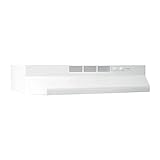
1. Broan-NuTone 413001 Non-Ducted Ductless Range Hood with Lights Exhaust Fan for Under Cabinet, 30-Inch, White
Overview:
The Broan-NuTone 413001 is a straightforward non-ducted range hood insert designed for 30-inch under-cabinet installation. This white unit focuses on simplicity and reliability for kitchens where external venting isn’t feasible. It features a two-speed fan system and integrated lighting capability, making it a practical choice for basic ventilation needs in apartments or rental properties.
What Makes It Stand Out:
This model distinguishes itself through Broan-NuTone’s decades of ventilation expertise and a dedicated non-ducted design. The separate rocker switches for light and fan functions provide intuitive operation, while the proprietary charcoal filter system (model 41F) effectively captures grease and neutralizes odors. The LED-ready design offers modern lighting flexibility, and the 18-inch mounting height recommendation ensures optimal capture efficiency for a ductless unit.
Value for Money:
At $77.99, this hood sits in the mid-range for non-ducted units. While limited to ductless operation, the price reflects the trusted brand reputation and reliable performance. Compared to cheaper alternatives, you’re paying for proven durability and readily available replacement parts. However, the ongoing cost of charcoal filters every six months should be factored into long-term ownership expenses, adding roughly $15-20 annually.
Strengths and Weaknesses:
Pros include simple installation, quiet operation suitable for apartments, effective odor removal for light cooking, and brand reliability. Cons comprise non-ducted limitation, unspecified CFM rating likely limiting heavy-duty use, bulb not included, and the need for regular filter replacements. The white finish may not suit all kitchen aesthetics and typically indicates plastic construction.
Bottom Line:
Ideal for renters or kitchens lacking ductwork, this hood excels at basic ventilation tasks. Choose it for reliability over raw power, but consider convertible models if your needs might evolve or if you do frequent high-heat cooking.
2. Comfee CVU30W2AST Range Hood 30 Inch Ducted Ductless Vent Hood Durable Stainless Steel Kitchen Hood for Under Cabinet with 2 Reusable Filter, 200 CFM, 2 Speed Exhaust Fan Silver

Overview:
The Comfee CVU30W2AST delivers versatile ventilation in a durable stainless steel package for under-cabinet installations. This 30-inch convertible hood offers both ducted and ductless functionality with a two-speed fan pushing 200 CFM. Its slim 5.6-inch profile makes it particularly suitable for space-conscious kitchens in condos and apartments where every inch matters.
What Makes It Stand Out:
This model’s key advantage is the inclusion of two distinct filters: a reusable aluminum mesh filter for ducted operation and an aluminum mesh with activated carbon cotton composite for ductless mode. The flexibility to switch between ventilation types without additional purchases sets it apart from competitors. The durable stainless steel construction ensures longevity and easy cleaning, while the comprehensive package includes everything except the LED bulb and ducting.
Value for Money:
At $79.99, this represents exceptional value for a convertible range hood. Most competitors at this price point offer either ducted OR ductless capability, not both. The inclusion of both filter types saves approximately $30-50 in immediate accessory costs. While the 200 CFM output is modest, it’s adequate for light to moderate cooking, making this a smart budget choice for cost-conscious homeowners.
Strengths and Weaknesses:
Strengths include dual-mode versatility, stainless steel durability, space-saving design, and comprehensive package contents. Weaknesses involve the lower CFM rating limiting heavy frying or high-heat cooking, noise level not specified which may be concerning, LED bulb not included, and composite filter requiring replacement every 3-4 months at ongoing cost.
Bottom Line:
Perfect for small kitchens or occasional cooks needing installation flexibility. It’s the best budget convertible option available, though serious chefs should invest in higher CFM models for performance cooking and frequent use.
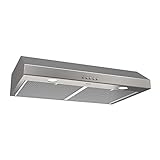
3. Broan-NuTone BCSQ130SS Three-Speed Glacier Under-Cabinet Range Hood with LED Lights ADA Capable, 1.5 Sones, 375 Max Blower CFM, 30-Inch, Stainless Steel
Overview:
The Broan-NuTone BCSQ130SS Glacier series represents premium under-cabinet ventilation with serious performance credentials. This 30-inch stainless steel hood delivers a powerful 375 CFM through a three-speed fan while maintaining an impressively quiet 1.5 Sones rating at normal operation. It’s designed for discerning home chefs who prioritize both power and tranquility in their kitchen environment.
What Makes It Stand Out:
The Captur system’s 97.4% smoke and odor removal efficiency is class-leading, while the ADA-capable push-button controls ensure accessibility compliance. The integrated LED module provides bright, even illumination without the need for bulb purchases. Four-way convertible installation—including non-ducted recirculation—offers unprecedented flexibility for various kitchen layouts, and dishwasher-safe filters simplify maintenance significantly.
Value for Money:
Priced at $224.99, this hood commands a premium but delivers proportional value. The combination of high CFM, whisper-quiet operation, and dishwasher-safe filters reduces long-term costs. Compared to luxury brands at $300+, Broan-NuTone offers professional-grade performance with mainstream reliability. The energy-efficient LED and durable construction justify the investment for daily cooks who use their range extensively.
Strengths and Weaknesses:
Pros include exceptional suction power, ultra-quiet operation, versatile installation options, included LED lighting, and easy-clean filters. Cons comprise the higher upfront cost, charcoal filter sold separately for non-ducted mode, and the 6-inch height may still be too tall for very tight cabinets. The premium price may exceed casual cook budgets.
Bottom Line:
For serious cooking enthusiasts, this hood is worth every penny. It transforms kitchen air quality without the noise pollution of lesser models. Highly recommended for daily use and high-heat cooking methods where performance and quiet operation are non-negotiable priorities.
4. CIARRA Ductless Range Hood 30 inch Under Cabinet Hood Vent for Kitchen Ducted and Ductless Convertible CAS75918A

Overview:
The CIARRA CAS75918A addresses space constraints with its ultra-slim profile while maintaining convertible ventilation flexibility. This 30-inch stainless steel hood fits where others cannot, making it ideal for apartments and condos with limited under-cabinet clearance. The mechanical push-button controls offer straightforward operation for two-speed fan adjustment without complicated electronics.
What Makes It Stand Out:
The ultra-slim design is the star feature, paired with dual bright cooking lights positioned on both sides of the hood for even illumination across the entire cooktop. This thoughtful lighting arrangement eliminates shadows regardless of burner selection. The convertible design allows ducted or ductless operation, though carbon filters must be purchased separately for recirculating mode. The mechanical controls ensure reliability without electronic failure points.
Value for Money:
At $139.99, this hood occupies a middle ground between budget and premium options. The slim profile premium is justified for tight installations where standard hoods won’t fit. However, the unspecified CFM rating and higher noise level (6.5 Sones max) mean you’re paying for form factor rather than raw performance. It’s fairly priced for its niche application but not a performance bargain.
Strengths and Weaknesses:
Strengths include space-saving dimensions, excellent lighting coverage, stainless steel durability, and convertible capability. Weaknesses involve the noisy operation at high speed, carbon filter not included, unknown CFM performance limiting assessment for serious cooking, and mechanical buttons feel less premium than electronic controls. The 6.5 Sones rating is notably loud.
Bottom Line:
Choose this hood specifically for height-restricted installations where standard hoods cannot fit. It solves spatial challenges adequately but consider alternatives if clearance isn’t an issue or quiet operation is paramount. Recommended for tight spaces, not for performance cooking.
5. Range Hood 30 inch Under Cabinet, Stainless Steel Kitchen Vent Hood 280CFM, Built-in Kitchen Stove Hood w/Rocker Button Control, Ducted/Ductless Convertible Duct, 2 Speeds Fan, Bright LED Light

Overview:
This budget-friendly 30-inch stainless steel range hood proves that affordability doesn’t require sacrificing core functionality. With a slim 4.7-inch profile and convertible duct configuration, it delivers 280 CFM through a two-speed fan controlled by simple rocker switches. The unit targets cost-conscious buyers seeking basic stainless steel aesthetics and flexible installation options without premium pricing.
What Makes It Stand Out:
The rock-bottom $75.94 price combined with a 3-layer grease filter system—including aluminum mesh and activated carbon cotton composite—provides surprising value rarely seen at this tier. The 280 CFM output exceeds many budget competitors, while the dual venting options (top 7-inch round or rear rectangular) accommodate various duct configurations. The ultra-slim design rivals more expensive space-saving models.
Value for Money:
This hood defines budget value, offering convertible installation, decent CFM, and stainless steel construction at a price point where plastic hoods typically dominate. The included composite filter saves immediate expense, though replacement costs every 3-4 months should be considered. While build quality may not match premium brands, the feature set is unmatched under $80, making it ideal for rentals or tight budgets.
Strengths and Weaknesses:
Pros include exceptional affordability, adequate suction power, slim profile, included composite filter, and dual vent options. Cons involve hardwire installation requiring electrical comfort, rocker controls lacking precision of push buttons, unknown brand reliability, LED light not included, and potential longevity concerns compared to established manufacturers.
Bottom Line:
For rental properties or tight budgets, this hood delivers remarkable features at an unbeatable price. Accept the trade-offs in refinement and brand support for substantial savings. It’s the best ultra-budget choice for cost-conscious buyers who need functional ventilation without frills.
6. FIREGAS 30 inch Range Hood Under Cabinet, Ducted/Ductless Convertible Stainless Steel Kitchen Range Hood with Rocker Button Control, 2 Speed Exhaust Fan, 300 CFM Aluminum Filter Included

Overview: The FIREGAS 30-inch range hood offers a budget-friendly ventilation solution for compact kitchens. This convertible unit handles both ducted and ductless installations, pushing 300 CFM through its two-speed exhaust fan. Constructed from 430-grade stainless steel, it resists corrosion while maintaining a low 4.7-inch profile that fits snugly under most cabinets. The straightforward rocker button controls operate the fan and integrated 2W LED light, making it ideal for apartments and condos where simplicity matters.
What Makes It Stand Out: This hood distinguishes itself through remarkable quiet operation, maintaining noise levels below 57dB even at high speed—a rarity in the sub-$70 category. The multi-layer aluminum filter effectively traps grease, while the convertible design provides installation flexibility. Its hard-wired configuration ensures a clean, permanent installation without visible plugs. The included filter and recirculation sheet mean you can install it ductlessly immediately, though the charcoal filter for optimal ductless performance requires separate purchase.
Value for Money: At $69.99, this FIREGAS model delivers exceptional value. Comparable budget hoods typically lack the stainless steel construction or operate at significantly higher noise levels. While the 300 CFM rating won’t handle heavy-duty wok cooking, it’s perfectly adequate for everyday stovetop use in small spaces. The need to purchase a charcoal filter separately is common in this price tier, and the hard-wired design eliminates the cost of a proprietary plug.
Strengths and Weaknesses: Pros: Extremely affordable; quiet operation; stainless steel durability; simple controls; convertible installation; slim profile. Cons: Hard-wired installation requires electrical knowledge; charcoal filter not included; only two speeds limits flexibility; 300 CFM may be insufficient for heavy cooking; no included power plug option.
Bottom Line: The FIREGAS range hood is an excellent choice for budget-conscious renters and homeowners with light to moderate cooking needs. Its quiet operation and stainless steel build quality exceed expectations at this price point, though serious cooks should consider more powerful options.
7. CIARRA Black Range Hood 30 inch Under Cabinet Ductless Range Hood Vent for Kitchen with Anti-fingerprint Design, 3 Speed Exhaust Fan

Overview: CIARRA’s black range hood brings style and functionality to modern kitchens with its ultra-slim profile and fingerprint-resistant finish. This 30-inch under-cabinet unit features a three-speed exhaust fan and mechanical push-button controls, operating at a maximum of 6.5 sones. The matte sandblasted surface resists scratches and smudges while the five-layer mesh filtration system captures grease effectively. Designed for condos and apartments, its low-profile construction saves valuable space without sacrificing performance.
What Makes It Stand Out: The anti-fingerprint coating sets this hood apart in a market dominated by stainless steel smudge magnets. The five-layer filtration system provides superior grease trapping compared to standard aluminum filters, and the three-speed control offers better cooking flexibility than budget two-speed models. Its convertible ventilation supports both ducted and ductless setups, though the required CACF006 carbon filter must be purchased separately. The mechanical controls provide reliable, intuitive operation without complex electronics.
Value for Money: Priced at $139.99, this CIARRA model sits in the mid-range tier. You’re paying a premium for the aesthetic finish and enhanced filtration, which is justified if appearance matters in your kitchen design. However, the 6.5 sone noise level is louder than some competitors at similar prices, and the separate carbon filter purchase adds to the total cost. For style-focused buyers, the fingerprint resistance alone may warrant the extra investment over basic stainless models.
Strengths and Weaknesses: Pros: Attractive anti-fingerprint black finish; five-layer filtration; three fan speeds; ultra-slim design; scratch-resistant surface. Cons: Louder operation than advertised alternatives; carbon filter sold separately; higher price point; matte finish may not suit all kitchens; limited advanced features.
Bottom Line: The CIARRA black range hood excels for homeowners prioritizing kitchen aesthetics and low maintenance. Its fingerprint resistance and multi-layer filtration justify the premium price, though noise-sensitive buyers should consider quieter alternatives. Best for modern kitchens with light to moderate cooking demands.
8. Comfee’ Range Hood 30 Inch Ducted Ductless Vent Hood Durable Stainless Steel Kitchen Hood for Under Cabinet with 2 Reusable Filter, 200 CFM, 2 Speed Exhaust Fan

Overview: Comfee’ delivers a versatile ventilation solution with this 30-inch convertible range hood, featuring both ducted and ductless capabilities. The unit provides 200 CFM suction through a two-speed fan, packaged in a matte black stainless steel housing that complements contemporary kitchen designs. At 5.6 inches high, it fits comfortably under most cabinets, making it suitable for apartments and condos. The package includes both an aluminum mesh filter and an activated carbon cotton composite filter, enabling immediate ductless installation.
What Makes It Stand Out: This hood’s primary advantage is the inclusion of both filter types at a budget price point—most competitors require separate carbon filter purchases. The matte black finish offers a modern alternative to traditional stainless steel, while the E26 lamp holder provides flexibility for custom lighting solutions. The composite filter combines aluminum mesh with activated carbon, delivering better odor absorption than standard aluminum filters. Its straightforward two-speed operation keeps things simple for users wanting basic functionality without complexity.
Value for Money: At $69.99, the Comfee’ range hood represents outstanding value. The included carbon composite filter alone saves $20-30 compared to competitors requiring separate purchases. While the 200 CFM rating is modest, it’s adequate for light cooking in small spaces. The matte black finish and included accessories make this one of the best-equipped options in the budget category, though you’ll need to supply your own E26 bulb and 7-inch exhaust pipe for ducted installations.
Strengths and Weaknesses: Pros: Includes carbon composite filter; attractive matte black finish; flexible E26 lighting; budget-friendly; convertible installation. Cons: Lower 200 CFM suction; only two speeds; lamp and exhaust pipe not included; basic controls; may struggle with heavy cooking.
Bottom Line: The Comfee’ range hood is the budget buyer’s best friend, offering rare included accessories and modern styling. It’s ideal for small kitchens and light cooking tasks, though serious home chefs should seek higher CFM models. The complete ductless setup out-of-the-box is a major selling point.
9. SNDOAS 30 inch Under Cabinet Range Hood, Ducted/Ductless Convertible Kitchen Hood, Stainless Steel Vent Hood with LED Light,Under Cabinet Hood with 2 Speed Exhaust Fan,White

Overview: SNDOAS offers a clean, white alternative in the budget range hood category with this 30-inch convertible model. Delivering up to 230 CFM through a two-speed rocker switch, this ultra-slim unit measures just 4.7 inches high, making it perfect for tight under-cabinet spaces in condos and apartments. The integrated LED light illuminates cooking surfaces effectively, while the included aluminum mesh filter with carbon cotton composite enables ductless operation. The white finish provides a fresh look for lighter kitchen color schemes.
What Makes It Stand Out: The white finish distinguishes this hood in a sea of stainless and black options, perfectly matching white appliances and cabinetry. Its 4.7-inch height is among the slimmest available, maximizing clearance in compact kitchens. The included carbon cotton composite filter is a welcome addition at this price point, eliminating immediate extra purchases. SNDOAS backs the product with a one-year limited warranty, providing peace of mind rarely found in budget appliances. The versatile venting options support both vertical and horizontal installations.
Value for Money: Priced at $73.44, this SNDOAS hood offers solid value for those seeking white appliances. The included composite filter and warranty add significant value, while the slim design saves valuable space. The 230 CFM rating is modest but sufficient for everyday cooking. Like most budget models, it requires hard-wiring and doesn’t include an exhaust pipe for ducted setups, but these omissions are standard at this price tier. The white finish commands a slight premium over basic stainless but integrates better with specific kitchen designs.
Strengths and Weaknesses: Pros: White finish option; ultra-slim 4.7" profile; included carbon composite filter; one-year warranty; versatile venting; quiet operation. Cons: Hard-wired installation; exhaust pipe not included; modest 230 CFM; basic two-speed control; white may show discoloration over time.
Bottom Line: The SNDOAS white range hood is perfect for white-themed kitchens where aesthetics matter. Its slim profile and included accessories make it a practical choice for small spaces, though power users should look elsewhere. The warranty provides welcome confidence in this budget purchase.
10. AMZCHEF Under Cabinet Range Hood 30 Inch, 750CFM Stainless Steel Kitchen Stove Vent Hood 3 Speed Exhaust Fan Touch/Remote/Gesture Control LED lights Time Setting Dishwasher-Safe Baffle Filters

Overview: The AMZCHEF range hood represents a significant step up in performance and technology, delivering an impressive 750 CFM through a three-speed fan system. This premium 30-inch under-cabinet unit features 430-grade stainless steel construction and advanced control options including touch panel, remote control, and gesture sensing. Two 1.5W LED lights provide bright illumination, while dishwasher-safe stainless steel baffle filters offer professional-grade grease capture. The time-setting function adds convenience for automatic shutoff after cooking.
What Makes It Stand Out: This hood’s 750 CFM suction power dwarfs budget competitors, handling heavy frying, wok cooking, and high-heat searing with ease. The trio of control methods—touch, remote, and gesture—provides unmatched convenience, especially the remote for multitasking parents. The dishwasher-safe baffle filters are more durable and effective than mesh filters, resisting grease buildup and high temperatures. The time-delay shutoff feature automatically clears residual odors, a premium touch rarely seen in this price range. At under 6 inches high, it maintains a relatively slim profile despite its power.
Value for Money: At $209.99, the AMZCHEF hood offers excellent value for serious home cooks. Comparable high-CFM models often cost $300+, making this a relative bargain. The advanced features and professional-grade filtration justify the premium over budget options. While overkill for occasional cooks, those who regularly generate significant smoke and odors will appreciate the investment. The included baffle filters and remote control eliminate additional purchases common with cheaper units.
Strengths and Weaknesses: Pros: Powerful 750 CFM suction; multiple control options; dishwasher-safe baffle filters; time-setting convenience; remote control included; robust stainless steel build. Cons: Higher price point; may be excessive for small apartments; complex features unnecessary for basic needs; requires 6" ducting; installation more involved.
Bottom Line: The AMZCHEF range hood is ideal for serious home chefs and large kitchens demanding professional ventilation. Its powerful suction and smart features transform cooking experiences, though casual cooks should save money with simpler models. A premium choice that delivers premium performance.
Why Under-Cabinet Range Hoods Dominate Condo Kitchens
Under-cabinet range hoods represent the perfect marriage of form and function for vertically-stacked living. Unlike wall-mounted chimneys that scream for attention or island hoods that demand architectural sacrifice, these units tuck discreetly beneath your existing cabinetry, preserving sightlines and headspace while delivering targeted ventilation exactly where you need it. In 2026, manufacturers have refined this category with slimmer profiles, smarter sensors, and installation flexibility that acknowledges the reality of concrete ceilings and unpredictable ductwork in multi-unit buildings.
The Space-Saving Advantage
Your condo’s upper cabinets are already valuable real estate. Modern under-cabinet hoods have shrunk to as little as 5 inches in height while maintaining powerful extraction capabilities. This svelte profile means you won’t sacrifice storage for ventilation—a non-negotiable trade-off in kitchens where a single cabinet shelf matters. The best designs integrate seamlessly with standard 12-inch deep cabinets, creating a built-in look that doesn’t visually clutter your limited wall space.
Ventilation Without Compromise
The misconception that compact equals weak has been thoroughly debunked. Today’s under-cabinet models leverage high-efficiency DC motors and optimized airflow dynamics to move more air with less energy and noise. For condo dwellers, this means you can sear a steak at high heat without triggering your smoke alarm or filling your open-concept living space with grease-laden air. The key lies in matching the hood’s capabilities to your actual cooking habits rather than defaulting to the highest CFM rating available.
Decoding CFM Ratings for Real-World Condo Cooking
CFM—cubic feet per minute—gets thrown around as the ultimate measure of a range hood’s worth, but in a small condo, bigger isn’t always better. Building codes in many high-rises actually cap CFM levels for make-up air reasons, and excessively powerful hoods can create negative pressure that backdrafts air from neighboring units.
Matching CFM to Your Cooking Style
For occasional cooks who primarily simmer and sauté, 250-350 CFM provides ample ventilation without overwhelming your space. Avid home chefs with gas ranges should target 400-600 CFM, but only if your building permits it. The critical detail? Sustained CFM vs. boost mode. A hood that maintains 400 CFM consistently performs better than one that hits 600 CFM briefly then drops off. Look for models with variable speed controls that let you dial in precise airflow rather than cycling through preset levels.
The Make-Up Air Consideration
Many condo boards now require dedicated make-up air systems for hoods exceeding 400 CFM. This means installing a separate vent that brings fresh air into your unit to replace what the hood exhausts. Before falling in love with a high-powered model, check your building’s regulations. Some advanced under-cabinet hoods now include integrated make-up air dampers that automatically balance pressure—worth the premium in strict buildings.
Understanding Noise Levels: The Sones Reality Check
A powerful hood you never use because it sounds like a jet engine is worthless. Sones measure perceived loudness, and in a small condo where kitchen, living, and sleeping areas often blend together, this spec matters as much as CFM.
What Sones Actually Mean
One sone equals the sound of a quiet refrigerator—roughly 28 decibels. For perspective, normal conversation sits at 4 sones. The sweet spot for condo kitchens is a maximum of 6 sones at high speed, with low speeds under 2 sones for continuous background ventilation. Some premium models achieve whisper-quiet operation through insulated housing, vibration dampening mounts, and aerodynamic fan blade designs.
Strategic Noise Reduction
Mounting height significantly impacts noise perception. Installing your hood 24-30 inches above the cooktop (gas) or 20-24 inches (electric) optimizes capture efficiency while keeping the sound source farther from your ears. Look for models with remote blower options that position the motor in the ceiling or wall cavity—though this requires more complex installation, it transforms your kitchen into a sanctuary of silence.
Ducted vs. Ductless: The Condo Dilemma
Your building’s infrastructure often dictates this choice, but understanding the trade-offs helps you maximize whichever path you’re forced to take. Ducted systems exhaust air outside, while ductless models recirculate filtered air back into your kitchen.
When Ductless Makes Sense
If your condo lacks exterior wall access or your building prohibits duct modifications, modern ductless hoods have become surprisingly effective. The key is carbon filter quality—look for activated charcoal filters with at least 2-inch thickness and easy replacement access. Some 2026 models feature indicator lights that monitor filter saturation rather than relying on arbitrary time intervals, ensuring optimal performance.
Ducted Installation Complexities
High-rise ductwork often involves shared chases with strict fire codes. Flexible ducting is typically forbidden, requiring rigid metal ducts with specific gauge requirements. The path to the exterior should minimize bends—each 90-degree turn reduces efficiency by 5%. Measure your existing duct diameter before shopping; many condos use non-standard 5-inch or 7-inch vents, while most hoods are designed for 6-inch or 8-inch connections. Adapters kill performance.
Filter Technologies: Beyond the Basics
Filters determine long-term satisfaction more than any other component. Cheap, hard-to-clean filters will turn your hood into a greasy, ineffective eyesore within months.
Baffle Filters vs. Mesh Filters
Professional-style baffle filters—those angled stainless steel slats—excel at trapping grease while allowing airflow. They clean easily in the dishwasher and last indefinitely. Mesh filters, while cheaper, clog faster and degrade over time. For condos, magnetic baffle filter systems are revolutionary, allowing tool-free removal and replacement without wrestling with stubborn clips in tight spaces.
Carbon Filter Innovations
Ductless users must prioritize carbon filter access and cost. Some manufacturers now offer washable pre-filters that extend carbon filter life by capturing grease before it reaches the charcoal. Others provide subscription services that automatically ship replacements based on your actual cooking frequency. For 2026, look for carbon filters with antimicrobial coatings that prevent the growth of odor-causing bacteria—a common complaint in humid condo environments.
Smart Features That Justify the Investment
Connectivity has transformed range hoods from passive appliances to active kitchen assistants. But not all smart features are created equal—some solve real problems while others are gimmicks.
Automation That Actually Works
Heat sensors that automatically adjust fan speed based on cooktop temperature eliminate guesswork and ensure you’re ventilating before smoke becomes visible. Some advanced models integrate with induction cooktops via Bluetooth, syncing fan speed to power levels. Air quality sensors that detect volatile organic compounds (VOCs) provide peace of mind, continuously monitoring and responding to invisible pollutants.
App Integration Worth Having
Look for hoods that send maintenance reminders, track filter life, and allow you to monitor air quality remotely. The best apps provide usage analytics, helping you understand your ventilation patterns and optimize energy consumption. Avoid models requiring proprietary apps that will be abandoned in two years—opt for those compatible with major smart home ecosystems like Matter or HomeKit for longevity.
Size and Mounting Specifications for Tight Spaces
Condo kitchens demand precision. A 36-inch hood over a 30-inch cooktop looks proportional, but in a compact galley, it can feel overwhelming. Conversely, a 24-inch hood over a 30-inch cooktop leaves performance on the table.
The Proportional Approach
For condos, match your hood width exactly to your cooktop width. This creates clean sightlines and ensures all cooking vapors are captured. If you have a compact 24-inch cooktop, a 24-inch hood is ideal—don’t be tempted to size up. Depth matters too; standard 20-inch deep hoods work with most cooktops, but verify your cabinet depth first. Some ultra-slim models at 18 inches deep fit shallow condo cabinets but sacrifice capture area.
Low Ceiling Strategies
Condos with 8-foot ceilings require careful mounting. The bottom of your cabinet typically sits 54 inches above the floor, leaving limited space. Look for hoods with low-profile mounting brackets that maximize clearance. Some convertible models allow you to recess the hood partially into the cabinet bottom, gaining an extra inch of headspace—a game-changer for tall cooks.
Design Aesthetics for Modern Condo Kitchens
Your range hood is a visual anchor. In open-concept condos where the kitchen faces the living area, its appearance impacts your entire home’s aesthetic.
Minimalist Integration
The best condo hoods disappear. Panel-ready models accept custom cabinet fronts, creating a completely integrated look. For a more contemporary approach, consider hoods with glass canopies that visually lighten the mass or those with bottom-mounted controls hidden from direct view. Matte black and brushed bronze finishes are trending for 2026, moving beyond the ubiquitous stainless steel to add personality without overwhelming small spaces.
Lighting as Design Element
LED lighting has evolved from harsh spotlights to warm, dimmable systems that double as task and ambient lighting. Look for hoods with color temperature adjustment (2700K-5000K) that let you shift from warm dinner prep lighting to cool, focused cooking illumination. Some models feature edge-lit panels that create a soft glow, eliminating the “operating room” feel common in older hoods.
Energy Efficiency and Sustainable Operation
Condo living often includes utility costs in maintenance fees, making energy consumption a financial consideration. Modern hoods have embraced DC motors that use up to 70% less electricity than traditional AC motors while delivering superior speed control.
LED Lighting Standards
Ensure your hood uses integrated LED arrays, not screw-in bulbs. The best systems offer 50,000+ hour lifespans and consume under 10 watts. Some even include motion sensors that automatically turn off lights when you leave the kitchen—a small feature that prevents wasted energy in compact living spaces.
Heat Recovery Considerations
In extremely airtight condos, some advanced ducted hoods now feature heat exchangers that capture warmth from exhaust air before it leaves the building. While expensive, these systems can reduce heating costs in cold climates and represent the cutting edge of sustainable condo ventilation.
Navigating Building Codes and HOA Restrictions
Your dream hood means nothing if your building won’t approve it. Most condo boards enforce strict guidelines that can derail your installation.
Common Restrictions to Verify
Start by requesting your building’s mechanical equipment policy. Many HOAs cap CFM at 300-400 without make-up air. Some require licensed HVAC contractors for any duct modifications. Fire codes may mandate fire dampers in duct connections or specific clearances from combustible materials. Proactive communication with your property manager before purchasing prevents expensive returns.
Documentation That Satisfies Boards
Professional installation drawings showing duct routing, electrical connections, and make-up air provisions streamline approval. Some manufacturers now provide “condo compliance packets” with pre-filled spec sheets and code references. These documents demonstrate due diligence and can accelerate the review process from weeks to days.
Budget Tiers and Realistic Expectations
Under-cabinet range hoods span from $150 basic models to $2,500+ designer units. Understanding what each tier delivers helps you invest wisely.
Entry-Level Realities ($150-$350)
These hoods provide basic ventilation with simple push-button controls and mesh filters. Expect 250-350 CFM, noise levels of 5-7 sones, and limited features. They’re functional for light cooking but lack durability. The primary compromise is filter quality and motor lifespan—plan for replacement within 5-7 years.
Mid-Range Value ($400-$800)
This sweet spot delivers 400-600 CFM, baffle filters, multi-speed controls, and LED lighting. Noise levels drop to 3-5 sones, and build quality improves significantly. You’ll find smart features like auto-shutoff timers and filter indicators. These models offer the best balance of performance, longevity, and condo-friendly features.
Premium Justifications ($900+)
Premium hoods bring whisper-quiet operation (under 3 sones), advanced sensors, app connectivity, and exceptional build quality. Materials like commercial-grade stainless steel and copper last decades. The investment pays off for serious cooks and those prioritizing aesthetics, but verify that advanced features aren’t disabled by building restrictions.
Installation Challenges Unique to Condos
Concrete slabs, shared walls, and limited electrical access turn straightforward installations into strategic projects. Planning for these realities prevents mid-renovation crises.
Electrical Limitations
Many older condos lack dedicated circuits for range hoods. Verify your existing setup—most hoods require 15-amp service. If you’re replacing a microwave-hood combo, the existing circuit may suffice. For new installations, you might need to pull wire from a nearby outlet, which can be challenging in concrete construction. Some newer hoods offer dual-voltage compatibility (120V/240V), providing flexibility in older buildings.
Ductwork Workarounds
When duct routing is impossible, consider a “ducted-ready” hood installed in ductless mode initially. This preserves the option to convert if you gain duct access later. For ducted installations, measure everything twice. The distance between cabinet bottom and ceiling, the location of joists, and the path to the exterior vent all impact feasibility. Hire a contractor experienced with high-rise construction—they understand fire caulking requirements and chase access protocols.
Maintenance Schedules for Long-Term Performance
A neglected range hood becomes a fire hazard and health liability. Establishing a realistic maintenance routine ensures your investment protects your home for years.
Monthly Quick-Clean Routine
Wipe down the exterior with degreasing cleaner to prevent buildup. Check that the fan spins freely and listen for unusual noises indicating bearing wear. For ductless models, inspect the carbon filter’s condition indicator if equipped.
Quarterly Deep Clean
Remove and dishwasher-clean baffle filters monthly if you cook frequently, quarterly for light use. Vacuum the interior housing to remove dust and grease particles. Clean grease channels and collection cups—neglected grease reservoirs are the number one cause of condo kitchen fires.
Annual Professional Service
Have a technician inspect duct connections for leaks and clean the interior blower assembly. They’ll verify damper operation and check electrical connections for heat damage. This service costs $100-$150 but extends your hood’s life by years and maintains optimal CFM performance.
Common Mistakes That Doom Condo Installations
Learning from others’ errors saves you time, money, and frustration. These pitfalls consistently plague condo range hood projects.
Ignoring Make-Up Air Requirements
Installing a 600 CFM hood in a building that requires make-up air for anything over 400 CFM results in immediate violation notices. The solution isn’t downgrading the motor—it’s choosing a hood with adjustable maximum CFM settings that can be capped to comply with regulations.
Overlooking Filter Access
That sleek, low-profile hood looks perfect until you realize you need to remove the entire unit to change filters. Always verify filter access location and ease of removal. Magnetic systems accessible from below are ideal for condos where side access is blocked by walls or adjacent cabinets.
Mismatching Duct Size
Using a reducer to connect a 6-inch hood to a 5-inch building vent cuts performance by 30% and increases noise dramatically. Measure first, shop second. Some hoods offer interchangeable outlet collars to match non-standard ducting.
Frequently Asked Questions
What CFM rating is actually necessary for a small condo kitchen?
For most condo kitchens under 150 square feet, 300-400 CFM handles everyday cooking beautifully. Only consider 500+ CFM if you frequently wok-fry or sear at high heat, and always verify your building’s make-up air requirements first. Focus on consistent performance rather than peak numbers.
How do I know if my condo can support a ducted range hood?
Check your lease or HOA documents for “mechanical modification” clauses. Look for an existing duct cap on your kitchen’s exterior wall or ceiling. If you see one, verify its diameter and path. If not, consult your property manager—some buildings have shared duct chases accessible only by licensed contractors. Never assume ducting is possible without confirmation.
Are ductless range hoods really effective in small spaces?
Modern ductless hoods with quality carbon filters remove approximately 70-80% of odors and capture nearly all grease when maintained properly. They’re most effective in open-plan condos where exhausted air can circulate and dilute. For heavy cooking, pair a ductless hood with a portable HEPA air purifier for comprehensive air quality management.
What’s the quietest under-cabinet range hood type for condos?
Models with external blowers rated under 3 sones at high speed are the quietest, but they’re expensive to install. For integrated units, look for DC motor models with insulated housings and at least 2 inches of sound-dampening material. Read reviews specifically mentioning noise, as manufacturers often list “noise level” at the lowest speed only.
How often should I replace carbon filters in a ductless setup?
Replace every 3-4 months with regular cooking, or every 6 months for light use. However, 2026 models with saturation sensors provide accurate replacement timing. Never wait for visible grease buildup—that indicates the filter is already failing. Keep a spare set on hand to avoid gaps in filtration.
Can I install an under-cabinet hood myself in a condo?
If you’re replacing an existing unit with identical ducting and electrical, a DIY installation is feasible for experienced homeowners. However, new ducted installations require fire-code compliant materials, proper damper installation, and often licensed professional verification for HOA approval. Most condo boards mandate professional installation to maintain building insurance.
What finish is easiest to keep clean in a small kitchen?
Brushed stainless steel with a fingerprint-resistant coating remains the most practical. Matte black shows dust and grease less visibly but requires specific cleaners to avoid streaking. Glass canopies offer easy wipe-down surfaces but demand daily attention to maintain their pristine appearance.
Do smart range hoods work without WiFi?
Yes, all smart hoods operate manually via physical controls. WiFi enables remote monitoring, automation features, and filter tracking, but basic ventilation functions remain independent. If your building has unreliable internet, prioritize models with robust onboard sensors over cloud-dependent features.
How do I measure for an under-cabinet range hood?
Measure the width of your cooktop—your hood should match exactly. Then measure from the cooktop surface to the bottom of your cabinet; this is your available height. Standard mounting is 24-30 inches above gas cooktops, 20-24 inches above electric. Ensure at least 24 inches of clearance to combustible materials. Finally, measure cabinet depth to confirm the hood won’t protrude beyond the cabinet face.
What building code issues should I research before buying?
Investigate make-up air thresholds, fire damper requirements, duct material specifications (typically rigid metal only), electrical circuit capacity, and any HOA aesthetic guidelines that restrict exterior vent cap styles. Also check if your building requires permits for mechanical equipment changes. A quick email to your property manager can prevent a $1,000 mistake.